
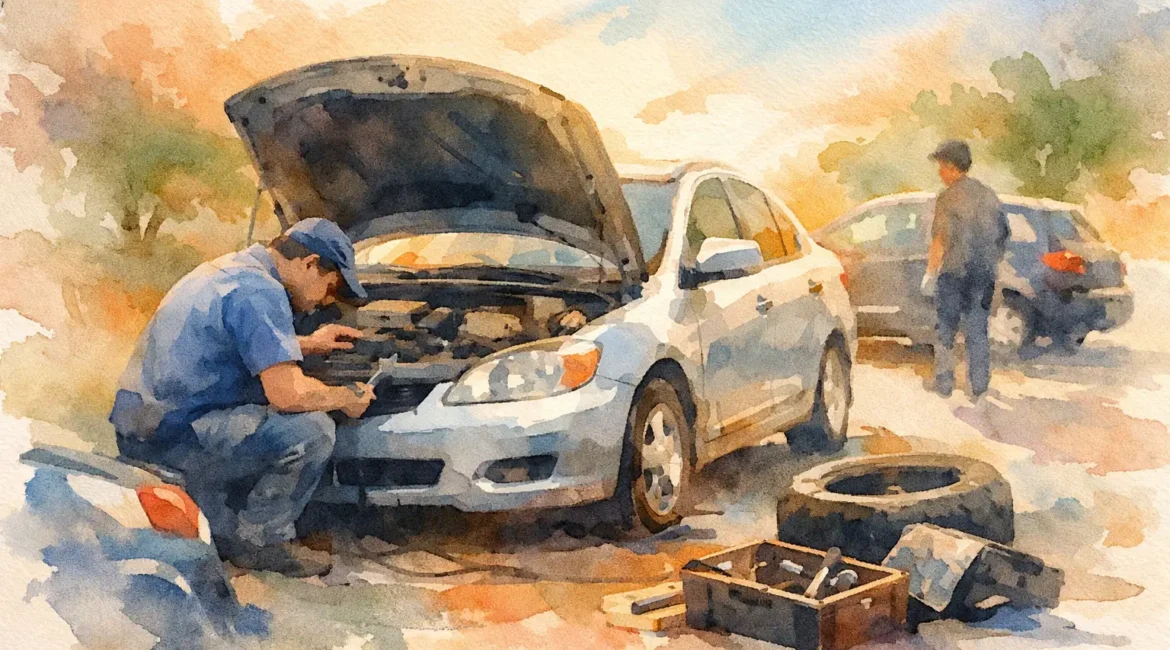
A buyer walks up to your car, spots a scraped bumper, kerbed alloys and a small dent on the door, and immediately starts knocking money off the price. That is why so many owners ask, should you repair your car before selling it? If you want to boost your resale value, the short answer is often yes – but not every repair is worth paying for.
The real decision is not whether the car should be perfect. It is whether the money you spend now will help you sell faster, avoid aggressive haggling and come away with a stronger final price. Some repairs do exactly that. Others simply eat into what you make on the sale.
Should you repair your car before selling it to boost your resale value?
In most cases, fixing obvious cosmetic damage is worth serious thought. Buyers do not inspect a car like a technician first – they react to what they see. If the paintwork looks tired, the bumper is cracked or the wheels are badly scuffed, many will assume the car has been neglected elsewhere too.
That first impression matters more than owners often expect. A clean, well-presented car looks cared for, photographs better and gives buyers more confidence. Even if the repair cost is not fully matched pound for pound in the sale price, it can still make financial sense if it helps the car sell quickly and with less negotiation.
The key is being selective. A smart cosmetic repair on a noticeable dent or scrape can make the whole vehicle feel newer. Spending heavily on work a private buyer will barely notice is a different story.
The repairs that usually make sense before selling
Bodywork and cosmetic issues are usually where sellers see the clearest return. Small dents, bumper scuffs, paint scratches and alloy wheel damage stand out straight away. They are the sort of faults buyers use as leverage because they can point to them in seconds.
If the rest of the car is in decent condition, putting these right can lift the overall impression dramatically. A vehicle that looks close to showroom condition will nearly always attract better interest than one with visible marks on every panel.
Minor paint damage is a particularly common one. Left untreated, it makes the car look older than it is. A proper repair can restore the finish and remove one of the easiest reasons for a buyer to offer less.
Wheel refurbishment can also be worthwhile, especially on newer cars or better-spec models where the alloys are part of the appeal. Badly kerbed wheels make a car feel tired. Clean, refurbished alloys help it look sharper and better looked after.
A cracked light lens, a damaged mirror cover or trim pieces hanging loose are also worth sorting. These are not glamorous jobs, but they are highly visible and can make a car look neglected.
When repairs probably are not worth it
There are times when spending money before a sale is the wrong move. If the car is older, higher mileage and already priced at the lower end of the market, major repair work may not pay back enough to justify the cost.
For example, a full respray is rarely the right choice purely to prepare an average used car for sale unless the existing paintwork is seriously poor and dragging the whole value down. The same goes for extensive mechanical work if you are already close to the point where a trade-in or straightforward private sale makes more sense.
You also need to be realistic about your buyer. Someone shopping for a budget runabout may accept minor age-related wear. Someone paying stronger money for a newer family car or a well-kept hatchback will expect far less visible damage.
That is where honest assessment matters. Not every mark needs removed. The ones worth fixing are the ones that change how the car is perceived.
Cosmetic repairs vs major repairs
This is where many sellers get caught out. Cosmetic work often gives the best return because it directly improves appearance without the cost of major restoration. SMART repairs, dent removal, scratch repair and alloy refurbishment can all make a car look significantly better without turning the job into a major bill.
Major repairs are different. If the car has structural damage, severe corrosion or a long list of mechanical faults, you need to think carefully. Those issues may be necessary to fix for safety, roadworthiness or legal reasons, but they do not always increase resale value by enough to cover the outlay.
If the vehicle has been in an accident, quality matters. Poor body repairs can be just as off-putting as visible damage. Buyers notice mismatched paint, uneven panel gaps and cheap patch-up work. If you are going to repair accident damage before selling, it needs done properly.
Should you repair your car before selling it privately or trading it in?
The answer changes depending on how you plan to sell.
If you are selling privately, presentation counts for a lot. Private buyers compare your car against dozens of others online, and the cleaner, straighter and better finished vehicle usually gets the call first. Visible body damage will almost always lead to lower offers or buyers walking away.
If you are trading the car in, the maths can be harsher. Dealers expect to prepare stock, so they may not reward you fully for every repair you have paid for. In that case, it makes sense to focus only on obvious cosmetic issues that heavily affect first impressions or valuation.
For a private sale, spending on the right repairs can help you command a stronger price. For a part exchange, it is more about preventing the valuation from dropping too far.
What buyers in the real world actually notice
Sellers sometimes worry about faults buyers will never mention, while ignoring the damage that is costing them money. Most buyers notice the same things first: dents, scrapes, poor paintwork, wheel damage, cracked bumpers and signs that the car has not been cared for.
They also notice cleanliness. A professionally repaired car still needs to be properly washed, polished and presented well. Good repair work has more impact when the rest of the vehicle looks tidy too.
Service history, MOT status and mileage still matter, of course, but visible condition shapes the conversation from the start. If the car looks right, buyers are more likely to believe the rest has been looked after as well.
How to decide whether a repair will pay off
Think in simple terms. Ask yourself how obvious the damage is, how much it affects buyer confidence and whether it will become a negotiation point. Then compare that with the cost of putting it right.
If a modest repair removes the first thing a buyer would use to cut your asking price, it is often money well spent. If the work is expensive and unlikely to change the buyer’s view much, it may be better to price the car accordingly and be upfront about the issue.
This is especially true if you are short on time. A quick, high-quality cosmetic repair can make sense before listing the car. A large, expensive project that delays the sale often does not.
For many sellers, getting a professional opinion is the easiest way to avoid overthinking it. An experienced body repair specialist can tell you which issues are worth fixing, which can be left alone and what will make the biggest difference to presentation.
The value of quality workmanship
If you do decide to repair the car before selling, the finish matters. Cheap cosmetic work can leave visible edges, colour mismatch or filler lines that put buyers on alert. That usually leads to more questions, less trust and lower offers.
Good workmanship does the opposite. It restores confidence. A properly repaired panel, tidy paint finish or refurbished alloy helps the whole car look cared for rather than patched up.
That is why many sellers across Glasgow and the surrounding areas choose to sort visible bodywork damage before the car goes on the market. Done well, it helps the vehicle present better in photos, attract more interest and hold its value more firmly.
At Unique Bodywork, this is exactly the kind of decision we help drivers make every day – practical repairs that improve appearance, protect value and make the selling process easier.
The honest answer
So, should you repair your car before selling it? If the damage is visible, cosmetic and likely to put buyers off, then yes, there is a strong chance it will help boost your resale value. If the work is major, expensive and out of step with the car’s age or market, probably not.
The smart approach is not to aim for perfection. It is to remove the faults that make your car look neglected, overpriced or risky to buy. A few well-judged repairs can change how buyers see the vehicle before they even open the door.
If you are planning to sell, look at your car the way a buyer will. The marks you have stopped noticing may be the very things costing you money.