
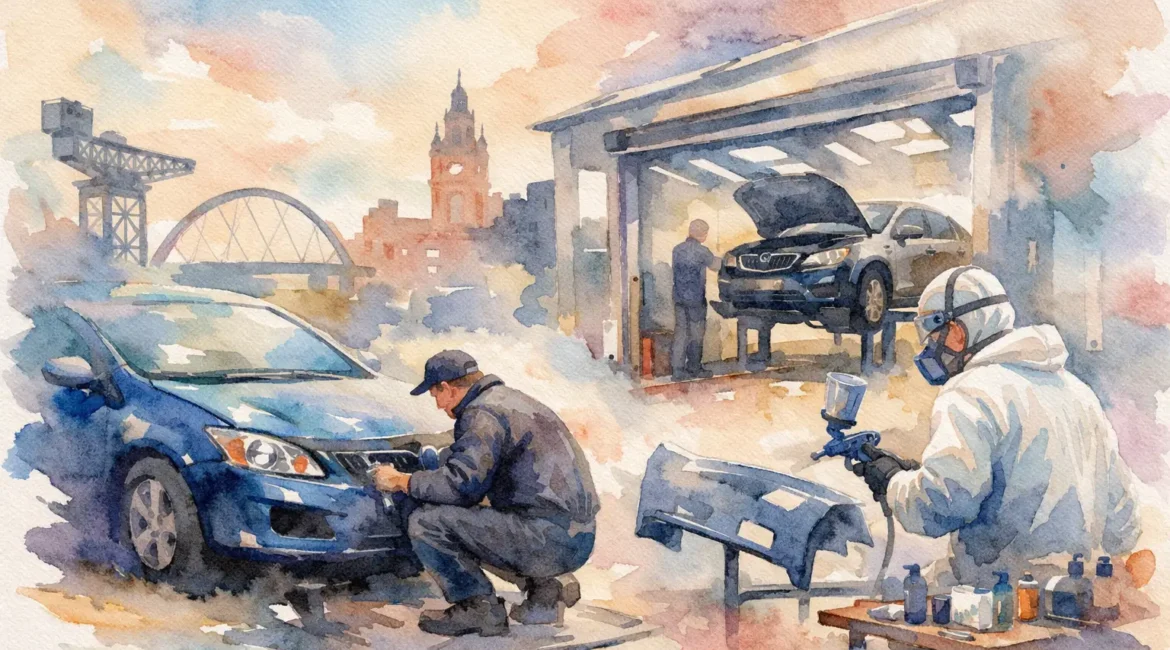
A damaged bumper, scraped door or crumpled wing can leave you with more than a repair to arrange. There is the insurer to call, estimates to consider and the worry that your car will never look quite the same again. Choosing an insurance approved bodyshop Glasgow drivers can rely on makes that process far more straightforward, while keeping the focus where it belongs – on a proper repair and a finish you are happy to see every day.
An insurance repair should not mean accepting a rushed job or settling for a finish that is merely passable. Your vehicle deserves careful assessment, quality paintwork and repairs carried out to return it as closely as possible to its pre-accident condition.
What insurance approval actually means
An insurance approved bodyshop is typically recognised by an insurer or works within an insurer’s repair network. This normally means the repairer can provide estimates and supporting information in the format insurers need, follow agreed repair processes and deal with the claim efficiently.
For you, that can reduce the back and forth. The bodyshop can inspect the damage, prepare an accurate estimate, discuss the work required and communicate with the insurer where appropriate. It is particularly useful after a collision, when the last thing you need is to chase updates between several different people.
Approval is not a substitute for good workmanship, however. Ask how the bodyshop approaches paint matching, whether damaged panels are repaired or replaced, and what standard of finish you can expect. The badge matters, but the result on your car matters more.
Do you have to use your insurer’s repairer?
It depends on your policy and the type of claim. Many insurers recommend or direct customers to a network repairer, often because it keeps authorisation and payment simple. In some cases, you may prefer to use a local specialist you trust, but it is wise to check the policy wording and speak to your insurer before authorising work.
There can be practical differences. Your excess, courtesy car arrangements, repair guarantee or the amount the insurer will contribute may vary depending on the repair route. Get clarity before the work starts, rather than discovering later that part of the cost is not covered.
If the accident was not your fault, the process may be different again. Non-fault claim support can help you understand the options, arrange repairs and keep the claim moving without letting the paperwork take over your week. Clear advice at the start is valuable, especially where another driver’s insurer is involved.
Why the cheapest estimate is not always the best repair
Bodywork damage is often more involved than it looks. A light impact may mark paint on the surface while also damaging brackets, trims, parking sensors, wheel alignment or panels behind the bumper. A proper inspection is the difference between covering over a problem and repairing the vehicle correctly.
Price matters, particularly when you are paying an excess or arranging work outside an insurance claim. But a low estimate can leave out preparation, corrosion treatment, blend work on neighbouring panels or the refitting and testing of parts. Those details are what make a repair last and make the colour look right in daylight, not just under workshop lights.
A reputable bodyshop should explain the recommended repair in plain language. You should know whether the work involves a local SMART repair, traditional panel repair, replacement parts, refinishing or a wider respray. There is no need for unnecessary jargon – just an honest explanation of what your car needs and why.
Paint matching is where quality shows
Modern vehicle colours can be difficult to match. Metallic, pearl and three-stage finishes can look different depending on the angle and light, while sun exposure changes the appearance of existing paint over time. A skilled refinisher does not simply spray the paint code and hope for the best.
Correct preparation, colour checking and blending into adjacent panels can make the difference between a repair that disappears and one that catches your eye every time you walk towards the car. This is especially important on newer vehicles, prestige models and colours such as white pearl, grey metallic and deep red.
What to do after an accident in Glasgow
Once everyone is safe and any urgent issues have been dealt with, take clear photographs of the vehicles, damage, road position and registration plates where possible. Exchange details with the other driver and make a note of the time, location and what happened. If there are witnesses, their contact details may be useful.
Contact your insurer promptly, even if you are considering a non-fault claim. Avoid agreeing to repairs based only on photos sent through social media or accepting cash without understanding the full extent of the damage. What appears to be a small bumper scuff can hide damage that only becomes apparent once the vehicle is inspected.
Then arrange an assessment with a bodyshop that handles insurance work. For busy drivers across Glasgow and the surrounding area, collection and drop-off can remove a major inconvenience. It means your repair does not have to involve taking time off work, rearranging childcare or finding a lift across town.
Questions worth asking an insurance approved bodyshop in Glasgow
Before booking your vehicle in, ask who will communicate with the insurer and whether the estimate may change if further damage is found after stripping the vehicle. This is common with accident repairs and should be handled through a clear supplementary estimate, not as an unexpected surprise.
You should also ask about expected turnaround time, parts availability and whether a courtesy vehicle is available through your insurer or claim provider. Same-day work may be suitable for minor dents, alloy wheel refurbishment and small cosmetic repairs, but structural damage or full panel refinishing needs the right time to be completed properly.
Finally, ask what happens after collection. A professional handover should give you the chance to inspect the repair, check that trims and sensors are working and raise any questions before you leave. Good repairers take pride in the finished vehicle, not just in closing the job.
Repairs that protect your car’s value
Prompt, high-quality bodywork repairs protect more than the appearance of your vehicle. Exposed metal can corrode, cracked paint can worsen and poorly fitted panels can affect both looks and function. If you plan to sell, part-exchange or return a leased vehicle later, visible damage and mismatched paint can also reduce its appeal.
For everyday scratches and parking dents, a targeted repair can be a sensible, cost-conscious alternative to replacing a complete panel. For heavier collision damage, a full assessment ensures that hidden issues are not missed. The right approach depends on the damage, the vehicle and the standard you expect – not on a one-size-fits-all quote.
Unique Bodywork combines insurance repair experience with the same attention to detail given to cosmetic repairs, alloy refurbishment and showroom-standard refinishing. The aim is simple: make the claims and repair process easier, then return your vehicle looking the way it should.
After an accident, take a moment to choose the repairer as carefully as you choose the claim route. A bodyshop that communicates clearly, works to a high standard and respects your time can turn a frustrating incident into a repair you barely notice once you are back on the road.