
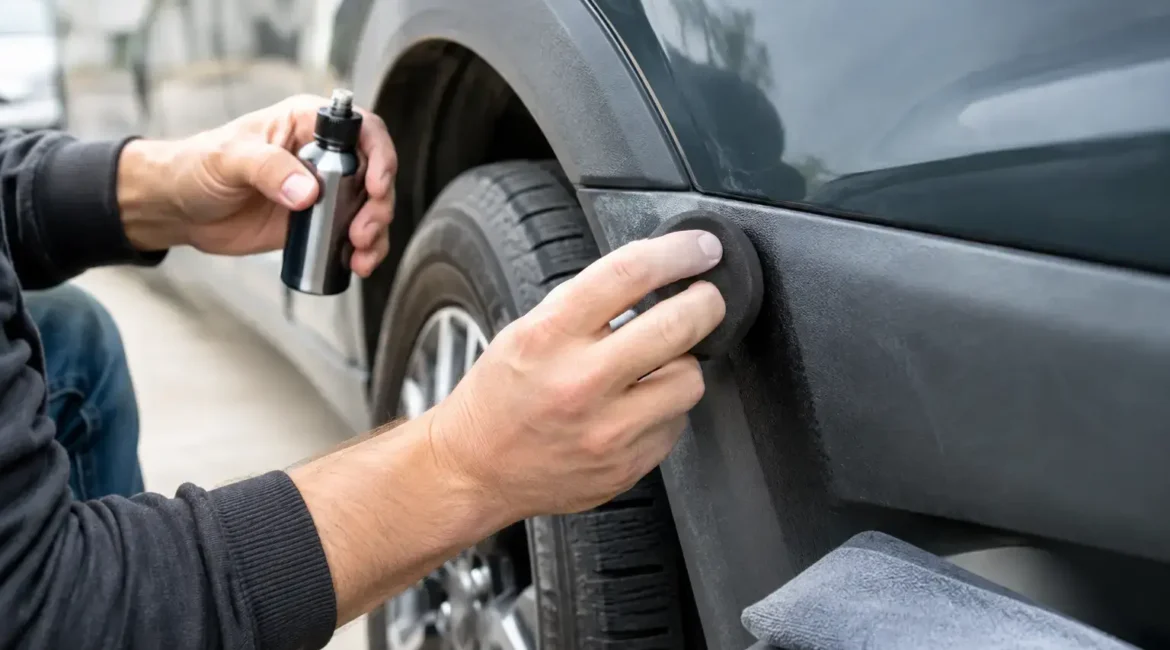
A scuffed bumper corner, faded mirror cap or loose sill trim can make an otherwise tidy car look neglected. This guide to repairing plastic trim explains what can be brought back to a clean, factory-style finish, what needs more than a quick cosmetic fix, and when fitting a replacement part is the sensible option.
Plastic trim takes more punishment than most drivers realise. It is exposed to road grit, weather, car park knocks, kerbs, cleaning chemicals and UV light. The good news is that many marks are repairable without replacing an entire bumper, moulding or exterior panel. The right repair depends on the type of plastic, the depth of damage and whether the part affects the vehicle’s safety or fit.
Start by identifying the type of damage
Not all damaged trim should be treated in the same way. A light scuff on textured black bumper trim is very different from a cracked, painted bumper cover or a broken mounting tab behind a wheel arch moulding.
Surface scuffs usually affect the top layer only. These may leave paint transfer, dull patches or fine scratches but no distortion in the plastic itself. They are often the most straightforward repairs, particularly where the trim is painted or can be refinished.
Deeper scratches, gouges and scrapes need more preparation. If a fingernail catches in the mark, the damage is likely too deep for a simple polish or dressing. A proper repair may involve cleaning, sanding, plastic filler or welding, followed by primer and colour matching where required.
Cracks, splits and missing sections are more serious. The trim may still look repairable from the outside, but the real concern is whether the part has lost strength or has pulled away from its mountings. On bumper corners, grilles, wheel arch trims and sill sections, a weak repair can soon crack again if the damaged area is not reinforced correctly.
Fading is another common issue, especially on unpainted black plastic. Sunlight can turn trim grey, chalky or blotchy. A temporary restorer can improve its appearance, but it will not always provide a lasting result. For badly weathered trim, careful preparation and a suitable coating usually produces a more even, durable finish.
A guide to repairing plastic trim properly
The biggest difference between a repair that lasts and one that looks good for a week is preparation. Plastic holds dirt, traffic film and traces of silicone from previous valeting products. If these are not fully removed, paint, filler and adhesives can struggle to bond.
A professional repair normally begins with a close inspection, followed by thorough cleaning and degreasing. The damaged section is then sanded to remove loose material and create a stable surface. Where there is a crack or tear, the plastic may be repaired from both sides using a compatible plastic-welding process or specialist bonding method. Reinforcement on the reverse can be essential, particularly on flexible bumper plastics.
Once the shape is restored, the repaired area is smoothed and primed with products designed to flex with the panel. Painted trim then needs accurate colour matching, careful blending and a suitable clear coat. Textured black trim requires a different approach because a glossy painted patch can look just as obvious as the original damage. The goal is to recreate the colour and texture as closely as possible, not simply cover the mark.
This is why household glues, generic fillers and aerosol paint can be a gamble. They may appear fine initially, but temperature changes, vibration and road spray quickly expose a poor bond. A bumper flexes in everyday use. Any product used on it needs to cope with that movement.
When a repair is better than replacement
Repairing plastic trim is often the most cost-conscious choice where damage is localised. A scuffed bumper corner, kerbed lower valance, scratched mirror cover or damaged arch trim can frequently be restored without the cost of sourcing, fitting and painting a new part.
It can also be the quicker option. Replacement parts are not always immediately available, particularly for older vehicles, performance models or trims with sensors, mouldings and painted finishes. A skilled SMART repair may deal with contained cosmetic damage while keeping disruption to a minimum.
However, replacement can be the better route if the plastic is badly distorted, several mounting points have snapped, a large section is missing, or the part no longer fits securely. It is also worth considering replacement where a repair would involve a large proportion of a heavily textured or intricate trim piece. A good bodyshop should be honest about the likely finish and durability rather than recommend a repair that does not represent value.
Be cautious around sensors, lights and safety parts
Modern bumpers and exterior trims often contain more than plastic. Parking sensors, cameras, radar units, headlamp washers, reflectors and wiring can all sit behind or within the panel. A small impact can damage clips or brackets that are not visible from the outside.
If a warning light appears after the knock, a sensor stops working, or the bumper sits unevenly, do not rely on a cosmetic touch-up alone. The vehicle needs to be inspected properly. The same applies to cracked trims near headlights, wheel liners or undertrays, where loose material could interfere with a tyre or work free while driving.
For accident damage, photographs can be useful before cleaning or attempting a repair. They may support an insurance claim or help establish whether there is hidden damage. If the incident was not your fault, getting early advice can make the claims process less stressful and help protect the standard of repair.
What drivers can safely do at home
There are a few sensible steps you can take before booking a repair. Wash the area gently to remove mud and salt, then inspect it in good daylight. You may find that some apparent scratches are simply paint transfer from another vehicle, bollard or wall.
Avoid aggressive scrubbing pads, harsh solvents and heat guns. Excessive heat can warp plastic, while strong chemicals may stain textured trim or make it harder for a repairer to prepare later. Do not pull loose bumper sections back into place with screws or cable ties unless it is a short-term measure to keep the vehicle safe before inspection.
If the trim is hanging loose, has sharp edges, rubs a tyre or affects a light or sensor, arrange an inspection promptly. Cosmetic damage is one thing. A poorly secured exterior part is another.
Getting the finish right on painted and black trim
Painted plastic needs to match the surrounding bodywork in colour, gloss and texture. The vehicle’s paint code provides a starting point, but age, sunlight and previous repairs can alter the shade. Blending paint into the adjoining area is sometimes necessary for a finish that does not draw the eye.
Unpainted black trim has its own challenges. It may have a smooth satin surface, a grainy texture or a moulded pattern. A repair that is too shiny, too flat or too smooth can stand out from several metres away. This is where experience matters: the repair needs to suit the part, not just the colour.
At Unique Bodywork, we assess the damage first and recommend the route that gives Glasgow-area drivers the best balance of finish, durability and cost. For smaller cosmetic damage, that may mean a targeted repair. For cracked or badly fitted trim, it may mean repairing the structure properly or sourcing a replacement component.
Protect repaired trim from future damage
Once the trim has been repaired, regular washing helps prevent road film from building up and dulling the finish. Use car-cleaning products suited to exterior plastics and avoid repeatedly applying heavy, greasy dressings. They can attract dirt and create an uneven appearance over time.
Take extra care around high-risk areas such as bumper corners, lower sills and wheel arches. Slow manoeuvring near kerbs, leaving space around posts and checking parking sensor alerts can prevent the small knocks that lead to larger cosmetic bills. If you notice a new scrape, dealing with it early is usually easier than waiting until moisture, dirt or a loose edge makes the damage worse.
A good plastic trim repair should not look like a repair. If a mark is bothering you every time you walk towards the car, have it assessed before a minor scuff turns into a cracked panel, loose fitting or a more expensive replacement.