
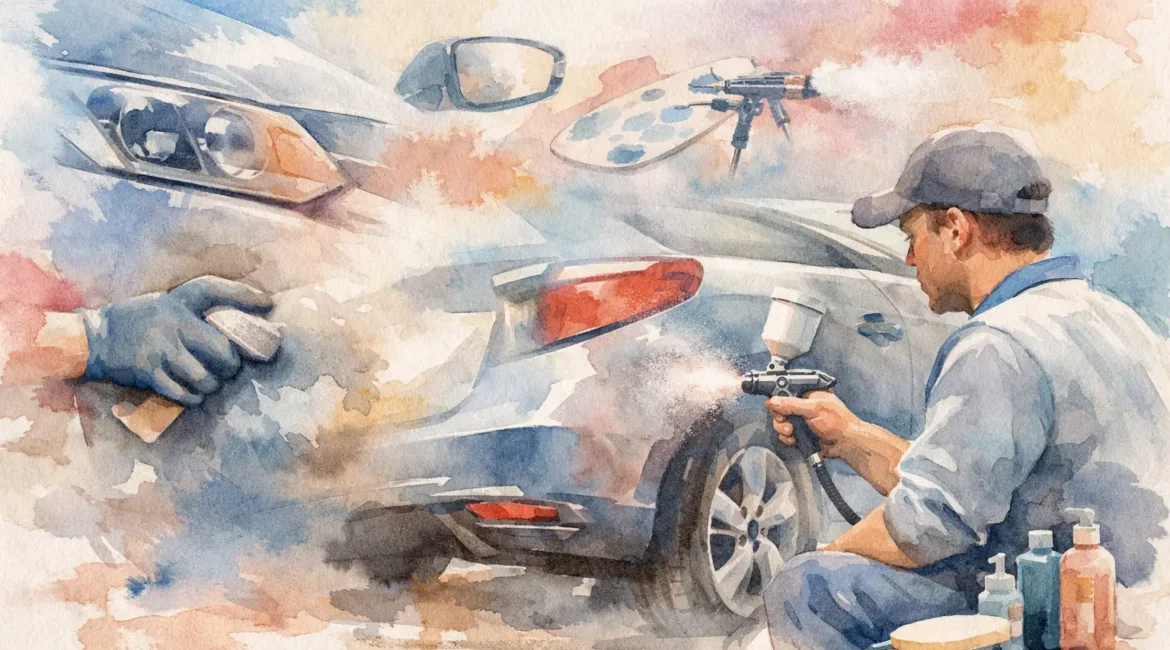
A small scrape on a bumper or a scuff on an alloy wheel can make an otherwise tidy car look tired overnight. That is usually when people start asking, what is smart repair for cars, and is it actually worth doing instead of booking a larger bodyshop job?
In simple terms, SMART repair is a method of fixing localised cosmetic damage without repainting or replacing large sections of the vehicle. SMART stands for Small to Medium Area Repair Technology. The idea is straightforward – repair only the damaged area, blend it properly, and restore the finish so the car looks right again without the time and cost of more extensive work.
For everyday drivers, that matters because not every mark on a car needs a full panel respray. If the damage is minor and contained, SMART repair can often be the faster, more cost-effective option while still delivering a high standard of finish.
What is smart repair for cars and how does it work?
When people hear the term for the first time, they sometimes assume it is a quick touch-up with little attention to detail. Done properly, it is nothing of the sort. SMART repair is a skilled repair process designed for smaller areas of cosmetic damage such as bumper scuffs, paint scratches, minor dents, stone chips and alloy wheel marks.
The repairer first inspects the damage to decide whether it is suitable for a localised repair. If it is, the affected area is prepared, repaired, filled if needed, sanded, primed and refinished. Paint is then colour matched and blended so the repaired section sits naturally with the rest of the panel.
The goal is not to cut corners. The goal is to avoid unnecessary work. If only one corner of a bumper is damaged, there is no sense treating the whole car as though it has been in a major collision.
When SMART repair is the right choice
SMART repair works best for cosmetic issues that are limited in size and depth. Typical examples include a trolley dent in a car park, a light scrape from a gatepost, a scratched bumper corner, or kerb damage on an alloy wheel.
It is especially useful when the structure of the panel is still sound. If the damage has not badly creased the metal, cracked mounting points, or affected safety systems, a localised repair is often possible.
This is why SMART repairs are popular with commuters, lease car drivers, families preparing to sell a vehicle, and anyone who simply wants their car back to a presentable standard without paying for work they do not need.
What damage can SMART repairs fix?
A good way to think about it is this: SMART repair is for visible damage that spoils the appearance of the car, but does not usually require major reconstruction. That can include scratches through the lacquer, paint scuffs, small dents, bumper damage, chipped paintwork and worn or scuffed alloys.
Plastic bumpers are a common candidate because they pick up marks easily in everyday driving. Alloy wheels are another. A wheel can be structurally fine but look poor because of kerbing damage, and refurbishment can make a big difference to the overall appearance of the car.
That said, every repair has to be assessed properly. A scratch that looks minor from a distance may be deeper than expected. A dent may sit on an awkward bodyline that needs more involved work to get right. The answer is not always yes, and any reputable repairer should be honest about that.
What SMART repair cannot do
This is where a bit of realism matters. SMART repair is not a fix for everything.
If a panel is torn, heavily stretched, rusted through, or badly misaligned, a localised cosmetic repair is unlikely to be the correct solution. The same applies where damage affects structural areas, sensors, lights, brackets, wheel alignment or anything safety-related. In those cases, more traditional body repair methods, part replacement or insurance repair work may be needed.
There is also a point where a damaged area is simply too large to blend invisibly with a SMART approach. If that happens, a full panel repair or respray is often the better job. A proper bodyshop should tell you that rather than pushing a smaller repair that will never look quite right.
Why drivers choose SMART repair
The biggest benefit is efficiency. Because the repair is focused on one damaged area rather than a whole panel or multiple parts, the process is often quicker. In many cases, the car can be turned around much faster than it would be with a larger bodyshop repair.
Cost is the next obvious advantage. Less labour, fewer materials and less unnecessary repainting often mean a lower bill. For many vehicle owners, that makes SMART repair a sensible option when the aim is to restore appearance and protect value without overspending.
There is also the convenience factor. If you use your car every day for work, school runs or getting around Glasgow and surrounding areas, being without it for longer than necessary is a hassle. A faster cosmetic repair can make life easier while still giving you a professional result.
Is SMART repair as good as a traditional bodyshop repair?
If the damage is suitable and the work is carried out properly, yes, SMART repair can be an excellent standard of repair. The finish should be neat, colour matched and in keeping with the rest of the vehicle.
The key phrase is if the damage is suitable. Traditional bodyshop repairs still have an important place. Larger dents, accident damage, panel replacement and structural work need a different level of repair. SMART repair is not better or worse in every case – it is simply the right method for the right type of damage.
That is why assessment matters so much. The best result comes from choosing the repair method that fits the damage, not from forcing every job into the same category.
How long does a SMART repair take?
This depends on the size and type of damage, the part of the car involved, and whether paint curing time is needed. Minor cosmetic repairs can often be completed much more quickly than traditional bodyshop work, and some jobs may even be possible on the same day.
However, speed should never come at the expense of finish. Proper preparation, accurate paint matching and careful blending are what make the repair look right. A rushed job may be cheaper in the short term, but it usually shows.
Is SMART repair worth it before selling or returning a car?
Very often, yes. Small cosmetic defects can make a car look neglected, even when it runs perfectly well. That can reduce buyer confidence and make the whole vehicle appear worth less than it is.
For leased or financed vehicles, minor damage can also lead to charges at the end of an agreement. Sorting out bumper scuffs, wheel damage or paint scratches beforehand can be a practical way to avoid bigger costs later.
Even if you are not selling, there is something to be said for driving a car that looks cared for. A clean, well-finished vehicle simply feels better to own.
What to look for in a SMART repair specialist
Not all repairs are equal. The quality comes from the preparation, the paint match, the finish and the judgement behind the repair.
Look for a repairer who explains clearly what can be done, what cannot, and why. They should talk in plain language, inspect the damage properly and recommend the approach that gives the best result rather than the quickest sale. Experience matters as well. Cosmetic repair might sound straightforward, but making a localised repair blend naturally takes skill.
Convenience also matters to most drivers. Fast turnaround, straightforward booking, honest pricing and options such as vehicle collection and drop-off can make the process much less disruptive.
What is smart repair for cars really about?
At its best, SMART repair is about common sense. It gives drivers a way to deal with everyday cosmetic damage professionally, without turning a small problem into a large and expensive repair job.
For the right type of scuff, scratch, dent or wheel damage, it is a practical option that saves time, controls cost and keeps your vehicle looking the way it should. And if the damage turns out to need more than a SMART repair, a good repairer will tell you that from the start.
If your car has picked up minor bodywork damage, getting it assessed sooner rather than later usually gives you the most options – and often the simplest fix.