
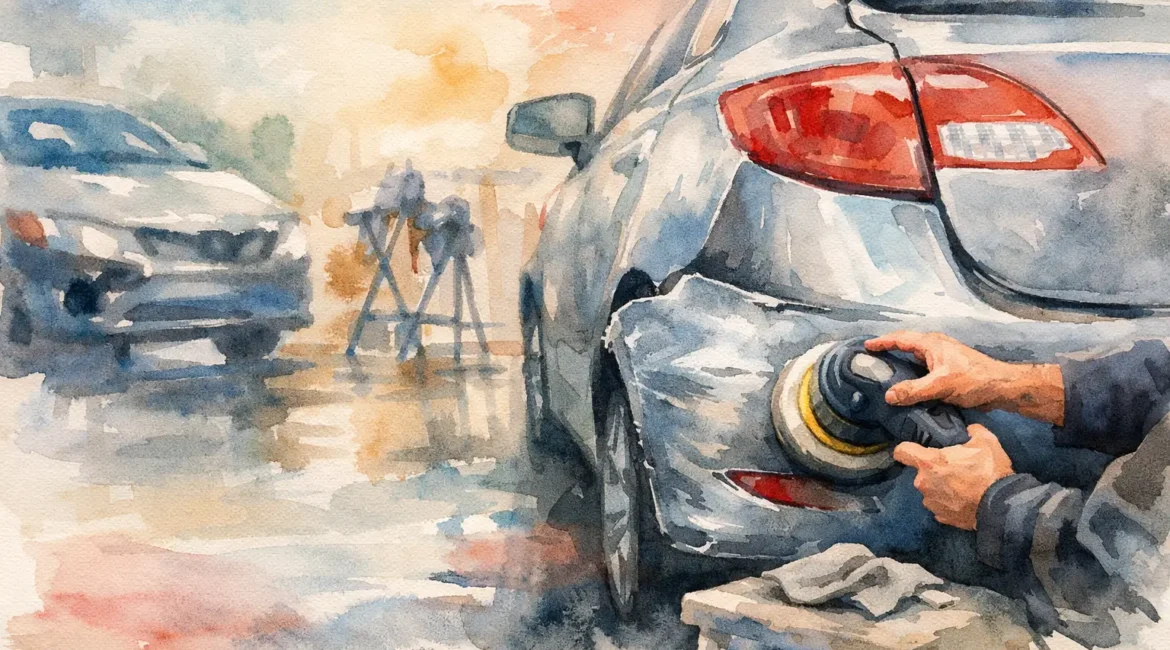
A cracked corner after a tight supermarket space, a scrape from a low wall, or paint scuffed in a car park can make an otherwise well-kept car look neglected. For bumper repair East Kilbride motorists can rely on, the priority is not simply covering the mark. It is restoring the shape, colour and finish properly, while making sure the bumper still does its job.
Modern bumpers are designed to take minor knocks, but that does not mean every repair is the same. A light scuff may be resolved quickly with a localised repair. A split, deep distortion or damaged parking sensor mount needs more attention. The right approach depends on the damage, the bumper material and the standard of finish you expect when you collect your car.
What a Good Bumper Repair in East Kilbride Should Achieve
A quality repair should leave you without an obvious patch of fresh paint, uneven texture or a bumper that no longer sits correctly against the wing or headlight. The repaired section should blend with the surrounding panels, with the correct colour match and gloss level for your vehicle.
That matters more than many drivers realise. Bumpers are usually plastic, which moves and flexes differently from metal body panels. Using the wrong preparation or paint process can lead to cracking, peeling or a visible edge around the repair later on. A proper bodyshop assesses the condition beneath the paint before deciding whether to repair locally, reshape the plastic or remove and repair the full bumper.
There is also the practical side. A damaged bumper can affect parking sensors, cameras, fog lamps, grilles and trim pieces. If it has been pushed out of line, the clips and brackets behind it may be broken even where the surface damage looks fairly minor. A cosmetic repair is only good value when the bumper and its fittings are secure afterwards.
When a SMART Repair Is the Sensible Choice
For small, contained damage, a SMART repair can be an excellent option. SMART stands for Small to Medium Area Repair Technique. Rather than repainting an entire panel automatically, the technician repairs the affected area and blends the colour into the surrounding paintwork.
This method is often suitable for light scratches, kerbside scuffs, minor paint transfer and shallow dents where the bumper has not split or badly distorted. It can reduce cost and turnaround time while still delivering a clean, professional result. For a commuter who needs their car back promptly, that can make a real difference.
The key is being realistic about what the damage allows. A local repair is not always the right answer if the scuff runs across a sharp body line, covers a large section of the bumper or sits close to a contrasting textured finish. Pearlescent, metallic and certain modern solid colours can also require more blending to avoid a difference in shade. An experienced repairer will explain whether a SMART repair will genuinely look right rather than forcing a cheaper option that falls short.
When the Full Bumper Needs More Work
A bumper with a crack, tear, hole or heavy distortion normally needs a more involved repair. The damaged plastic may need reshaping, plastic welding or reinforcement before refinishing can begin. If the bumper has been knocked loose, it may also need new brackets, clips or mounts to ensure it aligns correctly.
Full bumper repainting may be recommended where damage is widespread or where a local blend would be visible. It can also be the best choice after previous poor repairs, flaking lacquer or several marks across the same panel. While it may cost more than a small local repair, it gives the technician control over the complete finish and avoids leaving old defects around the repaired area.
The lowest quote is not automatically the best value. A quick cover-up can look acceptable on collection day but show sanding marks, mismatch or paint failure after a few weeks of Scottish weather and regular washing. Paying for proper preparation, flexible coatings and careful colour matching protects the appearance of the vehicle for longer.
Check the Damage Behind the Bumper
After any impact, it is worth looking beyond the visible scuff. If the bumper is sitting unevenly, a gap has opened beside a light, or a warning message has appeared on the dashboard, arrange an inspection before continuing to use the vehicle as normal.
Modern cars often have sensors and safety systems mounted behind the bumper skin. A small parking knock can dislodge a sensor bracket, while a more substantial impact can affect energy absorbers or reinforcement components. These parts cannot be judged properly from a photograph alone. A bodyshop inspection identifies whether the repair is straightforward cosmetic work or whether additional parts and checks are needed.
Why Colour Matching Makes the Difference
No driver wants to spot the repair before anyone else does. Colour matching is one of the biggest factors in a bumper repair that looks genuinely professional, particularly on white, silver, grey, red and metallic finishes where a slight variation can stand out in daylight.
Paint ages over time due to sunlight, washing, road grime and previous paintwork. The colour code inside the vehicle is a useful starting point, but it is not always the full answer. A skilled refinisher assesses the existing paint, prepares test shades where needed, and blends the repair so it sits naturally with the adjacent bodywork.
Finish is just as important as colour. The repaired bumper needs the right level of gloss and texture, with no dry spray, visible masking lines or rough overspray on nearby trim. Attention to these details is what turns a repair from merely presentable into something close to showroom condition.
Insurance Repairs and Non-Fault Accidents
Not every bumper repair follows a simple private quotation. If another driver caused the damage, you may have options to pursue a non-fault claim rather than paying out of pocket or immediately using your own policy. Keeping photographs of the damage, the other driver’s details and any witness information can make the process easier.
For insurance-backed work, a professional estimate should clearly identify visible damage and allow for further issues found once the bumper is removed. This is particularly relevant after a heavier impact, when broken mounts or damaged components may be hidden behind the outer cover.
If you are unsure whether to claim, it depends on your excess, the likely repair cost and the circumstances of the accident. A straightforward assessment gives you the information needed to make a sensible decision, without guessing from a few photographs or assuming every scuff needs a full replacement.
Make the Repair Process Easier
A good repair experience should not involve chasing updates or losing days arranging transport. Ask how long the work is likely to take, whether the estimate includes paint and materials, and whether collection and drop-off are available. These practical details matter when the car is needed for work, school runs or everyday travel.
At Unique Bodywork, repairs are assessed with the condition of the vehicle and the desired finish in mind. That means recommending the most suitable route, from a fast localised repair for minor bumper damage to more detailed refinishing following an accident. The aim is straightforward: get the car looking right again at a competitive price, without cutting corners that will become visible later.
Before booking, take a few clear photographs in good light and note any warning lights, loose trim or changes in how sensors operate. Then arrange a proper inspection. The sooner a scrape, crack or misaligned bumper is dealt with, the easier it is to protect your car’s appearance, value and the pride you take in driving it.