
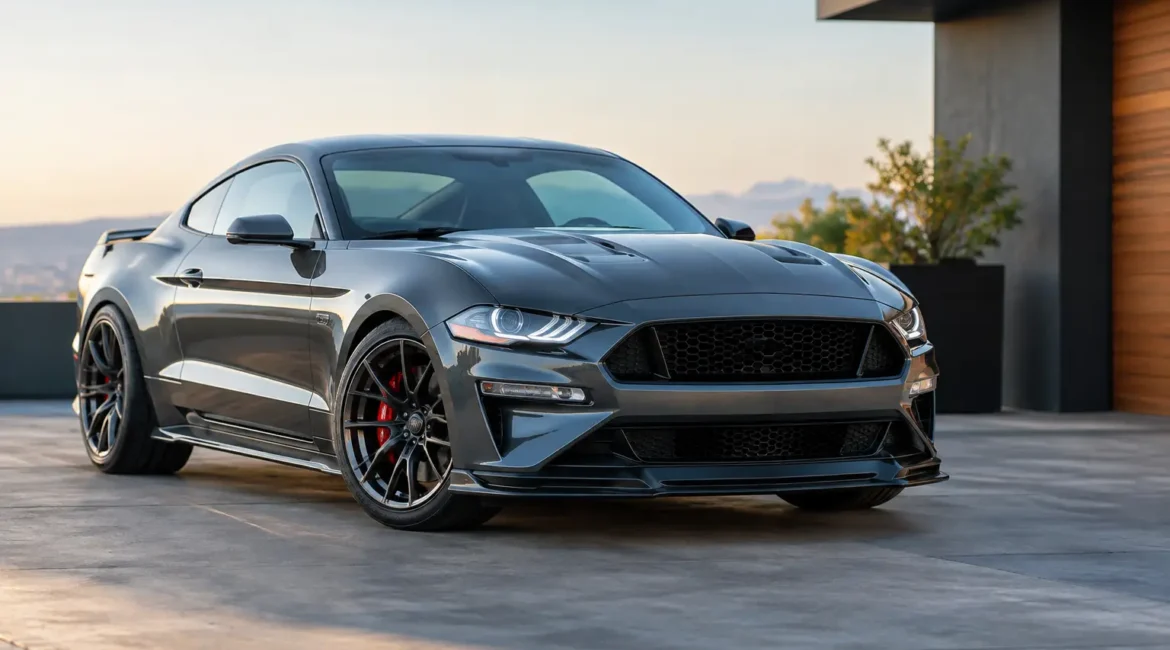
A car does not need a full body kit or a dramatic respray to look sharper. The strongest car customisation trends are increasingly about making a vehicle look well cared for, personal and properly finished – not simply louder or more expensive. For drivers around Glasgow, that means choosing upgrades that suit the car, stand up to daily driving and do not create problems with insurance, safety or resale value.
Whether you want to refresh a tired daily driver, finish a rebuild properly or give a weekend car more presence, the best result starts with the condition of the bodywork. Clean lines, straight panels and a high-quality paint finish will always make more of an impact than poorly fitted accessories.
Car customisation trends are becoming more considered
The old approach to modifying a car was often all about fitting the biggest wheels, lowest suspension or most aggressive styling available. There is still a place for bold builds, but more owners now want a factory-plus look: a car that appears as though it could have left the manufacturer that way, only better.
This shift makes sense. A well-chosen modification can improve the appearance of your car without making it difficult to live with. It is also more likely to appeal to the next owner if you sell it. For most people, subtle changes delivered to a high standard are a better investment than a collection of add-ons that compete for attention.
Colour changes with a purpose
Paintwork remains one of the biggest ways to change a vehicle’s character. Deep gloss blacks, clean whites, metallic greys and refined silvers remain popular because they suit almost any body shape. At the same time, richer colours are making a comeback: dark greens, modern blues, burgundy tones and warm metallic finishes can make an ordinary car look far more distinctive.
The trend is not simply to choose an unusual colour. It is to choose one that works with the vehicle and is applied correctly. A full respray is a significant job, so preparation matters as much as the final coat. Dents, corrosion, stone chips and previous poor repairs need addressed first, otherwise the new finish will only highlight them.
For a more focused change, owners often choose painted roof sections, mirror caps, spoilers or exterior trim. These smaller jobs can create contrast and tie in with wheel colour without committing to a complete transformation. It depends on the age, value and intended use of the car, but targeted paintwork is often the sensible starting point.
Gloss black is evolving into smarter trim styling
Gloss black trim has been popular for years, but the better examples use it selectively. Window surrounds, grilles, badges, roof rails and lower exterior details can look crisp against many paint colours, particularly on hatchbacks, saloons and SUVs.
The key is condition. Faded plastics, peeling finishes and scratched trim can make a car look neglected rather than customised. Refurbishing or refinishing these areas gives a cleaner result than simply adding more black pieces. Satin and textured finishes are also worth considering, especially where a full gloss treatment would show every mark or look too harsh.
De-badging remains common as well, particularly for drivers who prefer a cleaner rear end. It needs done carefully, however. Removing badges can leave marks, mismatched paint or adhesive residue if the panel has aged differently around them. A bodywork specialist can advise whether the finish beneath will need correction before the badges come off.
Alloy wheel refurbishment and colour matching
Wheels have a major effect on a car’s appearance because they sit low, collect brake dust and are usually the first part to meet a kerb. Rather than replacing damaged alloys, many owners are choosing refurbishment in a colour that supports the rest of the build.
Anthracite, satin black, gloss black and bright silver continue to work well, while darker bronze and gunmetal finishes can give certain vehicles a more individual look. Diamond-cut wheels can look excellent too, but they need proper care and may be less forgiving in areas where kerb damage and winter road conditions are common.
Wheel colour should not be chosen in isolation. A dark alloy can make a light-coloured car look more purposeful, while a bright finish can lift darker paintwork. The finish also needs to be practical. Gloss black can look superb after a wash but reveals dirt quickly; a mid-grey or silver may be easier to maintain on a daily car.
Practical styling upgrades are winning over gimmicks
The best custom work should look good from every angle and still make sense when you are loading shopping, parking at work or driving through a Scottish winter. That is why subtle splitters, side skirts, rear spoilers and model-specific body kits are more appealing than poorly matched universal parts.
A properly fitted body kit can improve the shape and stance of a vehicle. A badly fitted one can create uneven gaps, cracked paint, loose fixings and a constant source of frustration. Before fitting anything, check that the part is designed for your exact model and that there is enough ground clearance for speed bumps, steep driveways and everyday roads.
Exterior accessories should complement the original lines of the car. On some vehicles, a modest front splitter and refreshed grille are enough. On others, a complete kit may suit the intended look. There is no single answer – the right level of customisation depends on the car and how you use it.
Restoring before modifying
One of the most worthwhile trends is not really a trend at all: repairing existing damage before spending money on styling. A scuffed bumper, dented door or scraped alloy can undermine every other upgrade. The same applies to lacquer peel, corrosion around arches and mismatched paint from an older repair.
SMART repairs are useful where damage is localised, while larger panel repairs and resprays are better when the issue is widespread or the finish needs to match perfectly across adjacent panels. Starting with a sound base means your modifications look intentional rather than like an attempt to distract from damage.
This approach can also protect value. If you plan to sell the car later, documented professional repairs and a consistent finish are more reassuring to buyers than visible defects hidden behind accessories.
Personal touches that do not date quickly
The most enduring customisation usually sits in the details. Refreshed headlights, colour-coded trim, repaired bumper corners and properly painted calipers can make a real difference without changing the identity of the car. These improvements are especially effective on vehicles that have otherwise been maintained well.
Private plates, subtle decals and discreet badging can add personality, but restraint matters. A design that looks excellent online may feel overdone after a few months. Before committing, consider whether the change suits the car’s shape, colour and age – and whether you will still like it when fashions move on.
If you are considering a colour change or major exterior modification, think about future repairs too. Rare colours and complex multi-stage finishes can be harder to match. That does not mean avoiding them, but it is worth understanding the longer-term cost before making the decision.
Keep insurance, legality and quality in view
Any modification that changes the appearance, performance or value of your vehicle may need to be declared to your insurer. Failing to tell them can cause trouble if you need to make a claim. It is worth getting the position in writing before work begins, particularly with body kits, wheels, lighting changes or a full colour change.
Your car must also remain road legal and safe. Lights need to work correctly, wheels and tyres must have suitable clearance, sharp exterior edges should be avoided, and number plates must remain visible. Modifications can affect MOT requirements, so practical fitting is never an optional extra.
Quality is what separates a custom car from one that simply has parts fitted to it. Paint needs proper preparation, panels need accurate alignment and accessories need secure installation. Choosing the cheapest route can be false economy when poor paint, cracked components or uneven gaps require correction later.
For drivers who want a smarter look without unnecessary hassle, the strongest choice is usually a clear plan: restore the bodywork, choose a small number of upgrades that work together, then have them fitted and finished properly. Unique Bodywork can help turn that plan into a vehicle that looks personal, polished and ready to be proud of every time you park it.