
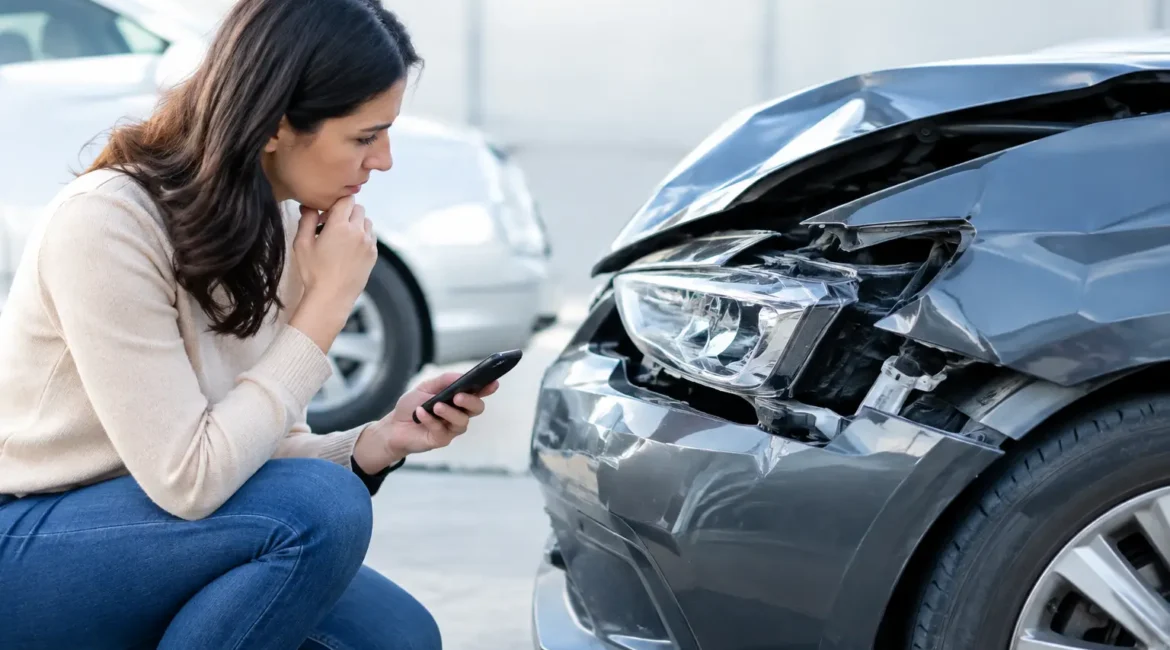
A cracked bumper in a supermarket car park can look straightforward. A low-speed bump can leave no obvious mark at all. Yet accident damage is not always limited to the panel you can see, and dealing with it properly protects your safety, your car’s value and your peace of mind.
Whether you have been involved in a minor scrape, a non-fault collision or a more serious impact, the best next step is to have the vehicle assessed by an experienced body repair specialist. A proper inspection tells you what needs repaired now, what can be monitored and what your insurance company may need to know.
What Counts as Accident Damage?
Accident damage covers far more than a dented door or scratched paintwork. It can include cracked plastic trims, scuffed alloy wheels, broken lights, misaligned panels, paint transfer, damaged sensors and bent suspension components. In more substantial collisions, the impact may affect the vehicle’s chassis, crumple zones, steering geometry or safety systems.
The visible damage often gives only part of the picture. Modern cars have parking sensors, cameras, radar units and electrical wiring positioned behind bumpers and panels. A bumper may still be attached after a knock, but the fittings behind it could be broken or a sensor may no longer be aligned correctly.
That does not mean every mark requires an expensive repair. A small scratch, bumper scuff or shallow dent can often be handled with a targeted SMART repair rather than repainting a full panel. The right repair depends on the location, depth and extent of the damage, as well as the finish you expect from the completed work.
What to Do Straight After a Collision
Your first priority is people, not paperwork. Check that everyone is safe, move to a secure place if possible and call emergency services if anybody is injured or the road is unsafe. Do not admit liability at the roadside, even if the incident feels clear-cut.
Once it is safe, take photographs of the vehicles, registration plates, road position, damage and any relevant signs or markings. Exchange names, contact details, registration numbers and insurer information with the other driver. If there are witnesses, ask for their details too.
It is sensible to note the time, weather conditions and a simple account of what happened while it is fresh in your mind. This can be particularly helpful if you need to make a non-fault claim later. If the other driver leaves the scene or refuses to provide details, report the matter to Police Scotland as soon as you can.
Avoid driving the vehicle if there is a fluid leak, loose bodywork, rubbing wheel, warning light, damaged light cluster or any concern about the steering and brakes. A car that looks driveable may not be roadworthy. Arranging recovery is usually the safer choice when there is any doubt.
Why a Proper Damage Assessment Matters
A quote based on a quick photograph can be useful as a starting point, but it is not always the final answer. Panels can hide broken brackets, distorted reinforcements and damage to parts behind the point of impact. A bodyshop needs to inspect the vehicle closely before confirming the best repair method and likely timescale.
During an assessment, a specialist will look at panel alignment, paint condition, lights, trim, wheel arches and surrounding components. They may also check whether the impact has affected parking sensors, cameras or other driver-assistance equipment. This is how a good repair avoids the common problem of fixing the obvious scratch while missing the reason a panel no longer sits correctly.
There is also a difference between making a car look better and restoring it properly. A quick cosmetic patch may suit an older vehicle with a minor scuff, particularly where keeping costs down is the priority. If the car is newer, leased, financed or due to be sold, a higher-standard repair can make much better sense. Poor colour matching, overspray and uneven panel gaps can all reduce its appearance and resale value.
Repair Options for Different Types of Accident Damage
Minor dents without paint damage can sometimes be removed without repainting. Where paint has been scratched or cracked, the affected area will normally need preparation, colour application and lacquer to restore the finish. Small localised damage may be suitable for a SMART repair, which keeps the work focused and can reduce both cost and time off the road.
A heavily scuffed or cracked bumper may be repaired and refinished if the plastic is sound enough. In other cases, replacement is the better option. The same principle applies to doors, wings and bonnets: repair is often more cost-effective, but replacement may be necessary where there is severe deformation, corrosion or damage around mounting points.
Alloy wheels frequently pick up kerb damage during or after a collision. Refurbishment can restore the appearance of many wheels, but a wheel with cracks, buckling or serious structural damage needs a safety-led decision rather than a cosmetic one.
With major impact damage, the work may involve structural measurement, pulling and alignment before body panels are repaired or replaced. The goal is not simply to make the vehicle look straight from the outside. It is to restore its correct shape, fit and safety performance before it is returned to the road.
Should You Claim on Your Insurance?
This depends on the circumstances. If you caused the accident and the repair bill is substantial, claiming through your comprehensive policy may be the practical route. Before you proceed, check your excess, possible effect on your no-claims discount and whether your insurer has conditions around repair approval.
For small cosmetic repairs, paying privately can sometimes be more sensible than making a claim. A bodyshop can assess the work and give you a clear price, allowing you to compare the repair cost with your excess and the potential longer-term cost of a claim.
If the accident was not your fault, you may be able to pursue a non-fault claim against the responsible driver’s insurer. This can help you avoid paying your excess and may allow you to arrange repairs without compromising your own policy benefits. Keep all evidence, do not delay reporting the incident and ask for clear guidance before authorising work.
You are not simply choosing between speed and quality. A good repair partner should help make the process easier, explaining what the vehicle needs, dealing with approved work where applicable and keeping you informed if further damage is found once the repair begins.
Choosing a Bodyshop After Accident Damage
Price matters, but the cheapest quote is not always the best value. Look for a bodyshop that explains the proposed repair in plain language and is willing to inspect the car rather than make assumptions. You should know whether panels will be repaired or replaced, what paintwork will be refinished and whether any sensors or safety-related parts need attention.
Convenience matters too when your routine has already been disrupted. Collection and drop-off can remove a major headache, especially if the vehicle is not safe to drive or you need to keep work and family commitments moving. For minor jobs, same-day service may be possible, but a reputable repairer will not promise a rushed turnaround where proper preparation and curing time are needed.
For drivers across Glasgow and the surrounding area, Unique Bodywork combines accident repair, insurance support and high-quality refinishing in one practical service. The focus is simple: return your vehicle looking right, fitting right and ready for the road.
Do not let a small-looking impact become a bigger problem through delay. Get the damage checked, understand your options and choose a repair that suits the car, the claim and the standard you expect when you collect the keys.