
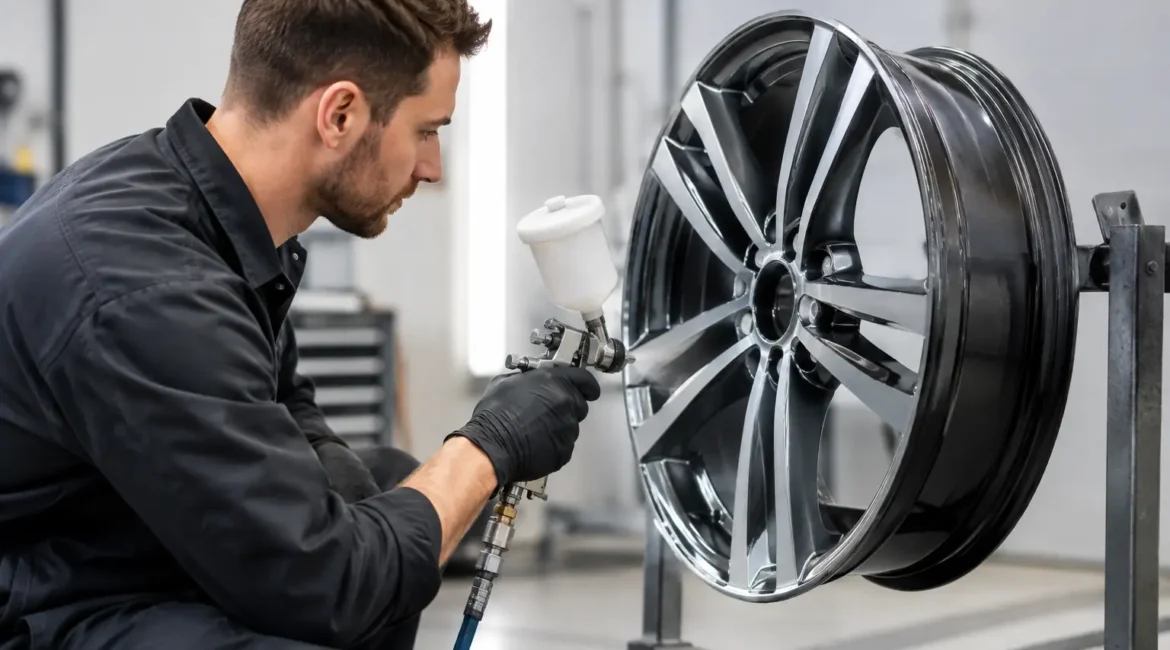
A kerbed alloy can make an otherwise well-kept car look neglected, and a poor repair often stands out even more than the original damage. When searching for the best alloy wheel painters Glasgow drivers can rely on, the real question is not simply who can cover a scuff. It is who can prepare, refinish and protect the wheel properly, so the result looks right from every angle and holds up to everyday Scottish roads.
What the Best Alloy Wheel Painters in Glasgow Do Differently
Alloy wheel painting is a finish repair, but the quality is decided long before the paint goes on. Wheels pick up more than obvious kerb marks. Brake dust bakes onto the surface, road salt gets into damaged lacquer and previous DIY touch-ups can leave rough edges or mismatched shades. If these issues are painted over, the finish may initially look better but can quickly chip, lift or discolour.
A proper refurbishment starts with a close inspection of the damage. Light cosmetic scuffs on the face or rim edge are usually straightforward. Heavier gouges may need careful filling and shaping before the wheel can be primed. If there is a crack, buckle, severe corrosion or damage close to the tyre bead, painting alone is not the answer. A reputable repairer will explain whether the wheel needs specialist structural assessment, further repair work or replacement.
The preparation stage should include thorough cleaning, removal of loose lacquer and corrosion, sanding to blend the damaged area, and primer where required. The wheel is then colour matched or refinished in the correct specification before a protective clear coat is applied. On diamond-cut wheels, the process can be different again, as the machined metal face needs a suitable specialist finish rather than a standard silver paint treatment.
That attention to detail is what separates a tidy repair from a wheel that looks patchy in daylight. It is also why the cheapest quote is not always the best value. A low-cost paint-over can be tempting when you are selling a car or returning a lease vehicle, but a finish that peels after a few washes often means paying for the job twice.
Choosing the Right Alloy Wheel Painter for Your Car
The best workshop for one vehicle may not be the best fit for another. A small kerb scrape on a daily commuter, for example, may be suitable for a quick cosmetic repair. A premium vehicle with gloss black, satin, shadow chrome or diamond-cut alloys needs more precise matching and a repair process that respects the original appearance.
Start by asking how the work will be carried out. You do not need to know the technical terms, but a good repairer should be able to explain the process in plain language. They should be clear about whether the wheel will be removed, how they will deal with tyre and valve protection, what type of finish is being applied, and whether they have identified any damage beyond the surface.
Photographs of previous work can be useful, but look for consistency rather than heavily edited close-ups. The finish should appear even around the rim, with no visible hard edge between the old and new coating. Ask about colour matching too. Silver alloys come in a surprising number of shades, while darker finishes can show differences under sunlight. A reputable bodywork specialist will not promise an unrealistic result where a perfect match is impossible without refinishing more of the wheel.
Convenience matters as well. Drivers in Glasgow and the surrounding areas often need their car back quickly for work, school runs or family commitments. A repairer that can provide a realistic turnaround time, arrange vehicle collection and drop-off where appropriate, and keep you informed avoids the usual hassle of cosmetic repairs. Same-day options can be useful for certain jobs, but they should never come at the expense of proper preparation and curing time.
Questions Worth Asking Before You Book
Before agreeing to any alloy wheel painting work, get clear answers on these points:
- Is the damage cosmetic, or is there any crack, buckle or corrosion that needs further attention?
- Will the repair blend with the existing finish, or does the full wheel need refinished for the best result?
- Is the wheel painted, powder coated or diamond cut, and what method is suitable for that type?
- How long will the work take, including adequate drying or curing time?
- What is included in the quoted price, and is the finish covered by a workmanship guarantee?
These questions are not about trying to catch a business out. They help you compare quotes fairly and avoid surprises after your car has been dropped off.
Why Wheel Finish Matters More Than Appearance
Freshly refurbished wheels lift the appearance of the whole vehicle. They can make a car feel cared for again after months of parking damage and road wear. For owners preparing to sell, alloys in good condition also help create a stronger first impression and can support the car’s perceived value.
There is a practical side too. Quality paint and lacquer form part of the wheel’s defence against water, grit, brake dust and salt. Glasgow roads can be hard on alloys through winter, particularly when small chips are left exposed. Protecting the surface early can slow down corrosion and prevent a minor blemish becoming a larger refurbishment job.
That does not mean every mark requires immediate full restoration. If the damage is very small and the coating remains intact, you may choose to wait. But if bare metal is showing, lacquer is peeling or corrosion is starting around the rim, it is sensible to have it assessed sooner rather than later. The repair is usually more straightforward before the damage spreads.
Painted, Powder Coated or Diamond Cut: Why It Changes the Job
Not all alloy finishes are alike, and this is where experience makes a real difference. Standard painted wheels are commonly finished in silver, grey, black or a manufacturer-specific shade, followed by lacquer. They can often be repaired very effectively when the preparation and colour match are right.
Powder coating is valued for its durable, uniform finish and is often chosen for complete wheel colour changes or more extensive refurbishment. It generally requires a more involved process, as the wheel is stripped and coated before being cured. The added durability can be worthwhile, but it may not be necessary for a small, isolated scuff.
Diamond-cut wheels have a distinctive machined face that catches the light. They look excellent when new but are less forgiving of kerb damage and corrosion. Re-cutting the face can restore the appearance, although there is a limit to how many times a wheel can be machined safely. If the damage is minor, a specialist may recommend a local repair or an alternative finish. The right choice depends on the wheel’s condition, the desired appearance and your budget.
A trustworthy repairer will talk through those trade-offs rather than pushing the most expensive option. The aim should be a finish that suits the car, lasts well and represents sensible value.
Looking After Refurbished Alloy Wheels
Once the wheels are repaired, regular cleaning makes a noticeable difference. Letting brake dust build up for weeks can dull the lacquer and make future marks more obvious. Use a pH-neutral wheel cleaner where possible, avoid aggressive acid-based products, and clean the wheels when they are cool rather than straight after a drive.
Take care around kerbs too, especially with low-profile tyres that offer little protection for the rim. Parking sensors and cameras help with larger obstacles, but they cannot judge a high kerbstone at an awkward angle. A little extra room when parking is usually cheaper than another repair booking.
If you spot a new chip, bubbling lacquer or white corrosion under the coating, have it checked before winter weather gets to work on it. Early advice costs nothing and can help you choose between a quick cosmetic repair and a more complete refurbishment.
For drivers who want the job handled properly, Unique Bodywork combines experienced refinishing with practical customer service, including help with collection and drop-off when needed. Whether your alloys have picked up everyday kerb damage or you want a cleaner finish to complete a wider bodywork repair, a careful inspection is the best first step. A good wheel repair should not just hide the damage – it should make you pleased to look back at your car when you walk away.