
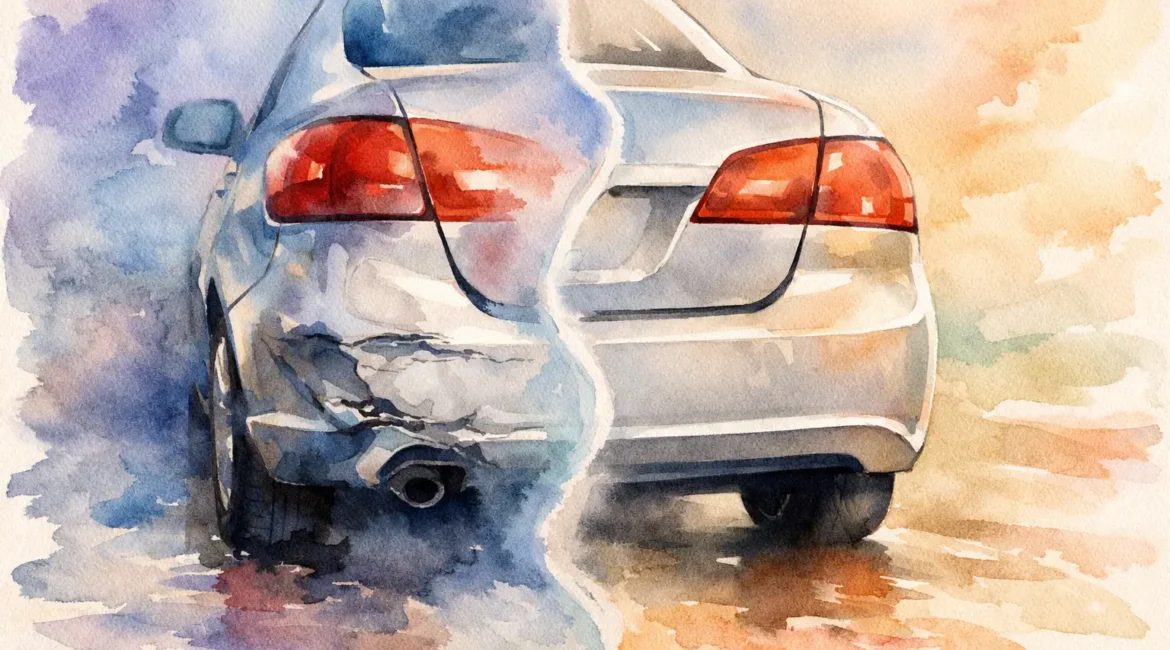
A bumper can look like a minor problem until you see it in the driveway every morning. A scrape from a tight car park, paint transfer from another vehicle, a split near the corner or a dent around a parking sensor can make an otherwise well-kept car look tired. The difference in bumper repair before and after results is often far greater than drivers expect – provided the damage is assessed properly and the repair is carried out to a high standard.
A quality repair is not about simply hiding a mark for a few weeks. It is about restoring the bumper’s shape, colour and finish so the damaged area does not draw your eye – and so the repair stands up to daily driving, Scottish weather and regular washing.
What bumper repair before and after really shows
The best before-and-after images do more than show a cleaner bumper. They demonstrate whether the repairer has dealt with the full problem. On a modern painted plastic bumper, damage can include paint scuffs, embedded scratches, distortion in the plastic, broken clips, cracked sections and damage to trims, grilles or sensors.
Before repair, a bumper may show white scuffing, black paint transfer, exposed primer or a rough gouge where the colour coat has been removed. In some cases, the panel looks worse after rain or in direct sunlight because changes in the finish become more obvious. A proper after result should leave the surface smooth, correctly aligned and evenly coloured, with no obvious hard edge where new paint meets the original finish.
That is why price alone should not decide where you take your car. A very cheap cosmetic touch-up may improve the view from a few metres away, but it can leave ripples, mismatched paint or a visible repair line. The right method depends on the damage, the age of the vehicle and the standard of finish you want.
The damage makes the difference
Not every bumper needs the same level of work. A small scuff on a bumper corner is often suitable for a SMART repair, where the damaged area is carefully prepared, refinished and blended locally. This can be a cost-effective option when the damage is contained and the surrounding paintwork is in good condition.
Deeper scratches need more preparation. If the scratch has cut through the paint layers, simply polishing it will not solve the issue. The area may need filling, shaping, priming and repainting before the final lacquer is applied. This is where a before-and-after repair becomes about craftsmanship rather than a quick polish.
Cracks and splits need particular attention. Plastic bumpers can flex, and a crack that is only filled on the surface may return. Depending on the location and severity, the bumper may need plastic welding or reinforcement from behind before refinishing. If mounting points are broken, the bumper is badly distorted or safety-related components have been affected, replacement may be the more sensible and durable choice.
Paint transfer is the exception that can sometimes look dramatic but be relatively straightforward. If another vehicle’s paint has rubbed onto yours without damaging the colour beneath, specialist polishing may remove much of it. A close inspection is needed, though. What looks like surface transfer can hide scratches that run through the clear coat.
Dent, scuff or crack: what can be repaired?
Most everyday parking damage can be repaired, especially on plastic bumpers. Heat and controlled reshaping can often improve dents, while sanding and refinishing can deal with scuffs and scratches. However, repairability is not just about whether a bumper can be made to look better. It is also about whether it can be returned to a reliable condition without compromising fit, strength or finish.
A good repairer will explain the practical options rather than pushing one answer. For example, a minor scuff on a three-year-old car may be ideal for a localised repair. A large crack across a bumper fitted with sensors, cameras and radar equipment may need a more involved repair or replacement, followed by checks to make sure every system works as it should.
What happens during a professional bumper repair
The result starts with preparation. Dirt, road film and silicone residue are removed so the repair materials and paint can bond correctly. The damaged section is then sanded, and any distortion, splits or deeper scratches are repaired before primer is applied.
Once the surface is level, the colour is matched to the vehicle. This is more involved than selecting the paint code printed by the manufacturer. Paint ages, fades and changes subtly with sunlight, washing and previous repairs. A skilled refinisher assesses the existing colour and blends the new paint into adjacent areas where required, helping the repair sit naturally against the rest of the car.
The final stages are colour application, lacquer and controlled curing, followed by polishing where needed. Reassembly matters too. If the bumper has been removed, it should sit evenly against the wings, bonnet, headlights and grille. Uneven gaps, loose trims and poorly seated sensors can spoil an otherwise good paint repair.
The strongest bumper repair before and after results usually look uneventful after the work is complete. You should not notice a different shade, a rough patch, overspray on nearby parts or a mismatch in gloss. Your bumper should simply look as it did before the damage happened.
Why colour matching is where poor repairs show up
Silver, grey, white and black can all be difficult to match, despite being common colours on UK roads. Metallic and pearl finishes are especially demanding because the way the paint lays on the surface affects how it reflects light. A bumper can appear to match in a workshop but look different outside on an overcast Glasgow day or under bright sunlight.
A professional repair takes account of this. The aim is not merely to apply a paint code but to achieve a finish that works with the vehicle’s existing panels. Blending and careful paint application are often what separate a repair that looks acceptable from one that looks genuinely restored.
Texture matters as well. Some lower bumper sections have a textured black plastic finish rather than body-coloured paint. These areas need the correct repair process and coating to avoid a patchy, shiny or artificial-looking result.
Repair or replacement: when is each the better option?
Repair is usually the right choice for scuffs, scratches, minor dents and many cracks. It can be quicker, more cost-conscious and avoids replacing a whole component when only a small area is damaged. For private repairs, this is often the route that gives drivers the best balance of cost and appearance.
Replacement becomes more likely when the bumper has severe tearing, missing material, extensive damage across several areas or broken mounting points. It may also be needed when damage affects sensor housings, brackets or components behind the bumper. On newer cars, a front or rear impact can affect parking sensors, cameras, radar systems or active safety equipment, even if the visible damage looks modest.
Insurance repairs should be handled with the same care. Do not assume you must accept a poor-looking repair just because the work is part of a claim. The vehicle should be restored to its pre-accident condition, with the correct checks completed where necessary. If another driver was at fault, non-fault accident claim support can also make the process less stressful while keeping the focus on getting your car repaired properly.
How to get a lasting finish after the repair
Once the bumper has been refinished, follow the bodyshop’s aftercare advice. Fresh paint needs time to fully harden, even when it is safe to collect the car. Avoid aggressive washing, harsh chemicals and close-range pressure washing for the recommended period.
It also helps to deal with new marks early. Small scuffs and scratches are usually simpler to repair before moisture, dirt and repeated cleaning worsen the damaged edges. If a bumper feels loose, has a crack near a mounting point or has suffered an impact around a sensor, book an inspection rather than waiting for it to become a bigger job.
For drivers across Glasgow and the surrounding areas, convenience matters as much as the finish. Unique Bodywork combines experienced repair and refinishing with practical options such as quick turnaround and vehicle collection and drop-off, helping you get the job sorted without losing more time than necessary.
A bumper does not need to stay as the reminder of one bad parking moment. Get it assessed while the damage is still clear, choose the repair method that suits the condition of the panel, and expect an after result you are happy to see every time you walk back to your car.