
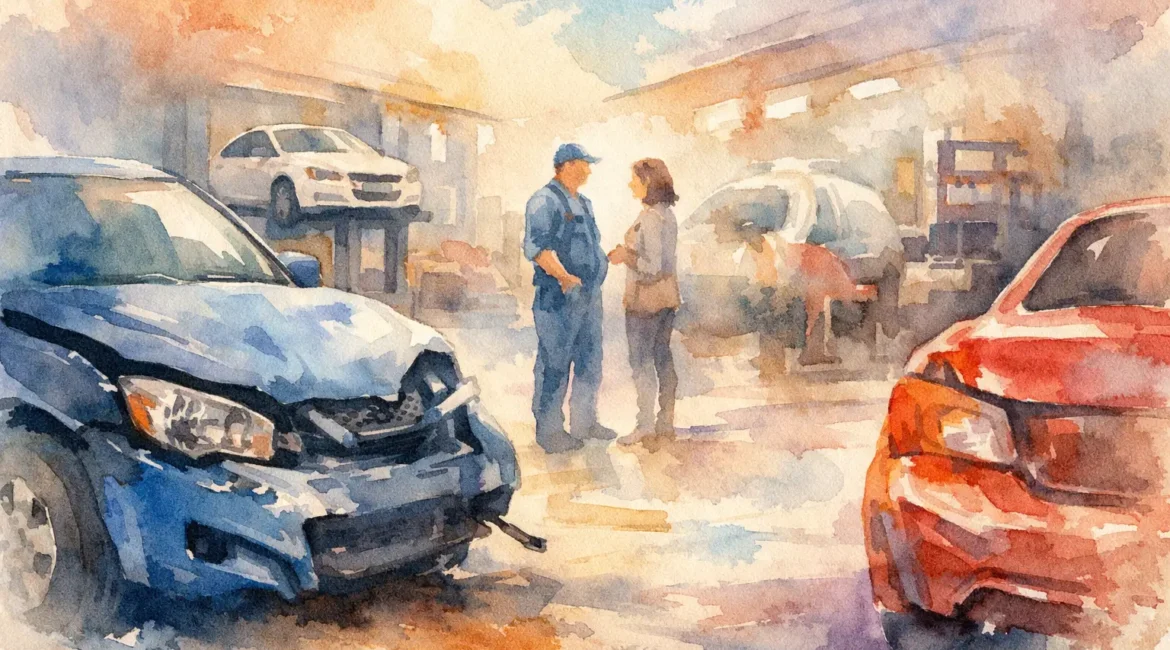
The first phone call after an accident often creates more confusion than the damage itself. If you are asking, can I choose my own bodyshop after an accident, the short answer is often yes – but it depends on your insurer, how the claim is being handled, and whether the accident was your fault.
That matters more than most drivers realise. Where your car is repaired can affect the finish, the parts used, how quickly you get it back, and how straightforward the whole process feels. A rushed repair at the wrong bodyshop can leave you with poor paint match, uneven panel gaps, or problems that only show up weeks later. When your car has already been through one stressful event, you do not want the repair stage to become another one.
Can I choose my own bodyshop after an accident?
In many cases, yes, you can choose your own bodyshop after an accident. Insurers often have approved repair networks and they may encourage you to use one of them, but that does not always mean you are forced to do so.
The important detail is that there is a difference between what an insurer prefers and what you are actually entitled to do. Some policies include terms about approved repairers. Some non-fault claims are handled differently again. If another driver was responsible, you may have more flexibility, especially when a repairer or accident management company is helping you recover costs from the at-fault insurer.
The practical answer is this: do not assume the first option offered on the phone is your only option. Ask directly whether you can nominate your own repairer, whether it affects your excess, whether a courtesy car is still included, and whether the estimate needs insurer approval before work begins.
Why insurers push approved repairers
There is nothing unusual about insurers directing customers towards their own network. They already have agreed labour rates, processes for assessments, and billing arrangements in place. For them, that keeps costs predictable and administration simple.
Sometimes those network repairers do a perfectly good job. Other times, the arrangement is built around speed and cost control first, with customer choice coming second. That is where drivers can feel boxed in. You may be told the insurer can only guarantee the work if you use their repairer, or that your claim will be delayed if you choose elsewhere.
That does not always mean your own bodyshop is off the table. It often means the insurer wants additional approval steps or may set conditions around costs. The key is to separate genuine policy terms from sales pressure.
When choosing your own bodyshop makes sense
If your vehicle is newer, high-value, leased, or something you plan to keep for years, repair quality should be a priority. A proper bodyshop will look beyond the obvious dent or cracked bumper and check for hidden damage, alignment issues, paint blending, and finish quality across surrounding panels.
Choosing your own repairer can also make sense if convenience matters. For many drivers, especially those juggling work, school runs and daily travel, collection and drop-off, clear communication, and realistic turnaround times matter just as much as the repair itself.
There is also trust. If you already know a repairer with a strong local reputation, or you have been recommended one by family or friends, that confidence counts for a lot. You are not just buying labour hours. You are trusting someone to restore your car properly.
It depends on fault, policy and claim route
This is where the answer becomes less black and white.
If you are claiming through your own insurer for a fault accident, your policy terms carry more weight. You may still be able to choose your own bodyshop, but the insurer could limit what they will pay, ask for competing estimates, or refuse certain extras attached to a non-network repair.
If the accident was non-fault, you may have more room to choose. In those cases, repairs are often recovered from the at-fault party’s insurer, and many drivers use a specialist repairer who can help manage the claim. That route can be useful when you want more control over where the vehicle goes.
If your car is on finance or lease, there may also be repair standards you need to meet before the vehicle is returned or the agreement ends. A poor repair can become your problem later.
So yes, can I choose my own bodyshop after an accident is a fair question, but the real answer sits in the details. The best move is to ask before authorising anything.
What to ask before agreeing to repairs
A short conversation at the start can save a lot of frustration later. Ask who is carrying out the repair, whether new or approved parts will be used where needed, whether the estimate includes paint blending, and whether the work is guaranteed.
You should also ask how damage will be assessed once the vehicle is stripped down. Initial estimates do not always show the full picture. A proper bodyshop will explain that hidden damage is common after an impact and that insurers may need to approve additional work.
If convenience is important, ask about collection and delivery, courtesy cars, and realistic repair times rather than best-case promises. Straight answers matter.
How to tell if a bodyshop is worth choosing
Not every bodyshop offers the same standard, even if the quote looks attractive. Good repair work is about more than replacing visible parts. It is about restoring the vehicle to pre-accident condition in a way that looks right, drives right and protects the car’s value.
Look for experience, a strong repair portfolio, and clear communication from the start. You want a team that explains the job in plain English and does not dodge questions about timescales, paint finish, parts, or insurer approvals.
It also helps to choose a repairer that can handle both cosmetic and structural work. Small accidents can still cause wider issues, and it is easier when one specialist can manage the job properly from assessment through to handover. For drivers across Glasgow and surrounding areas, that often means looking for a bodyshop that combines insurance repair experience with practical support like vehicle collection and drop-off.
Common pressure tactics to watch for
Drivers are sometimes made to feel they must decide immediately. You may hear that using your own repairer will slow the claim, create extra paperwork, or leave you without warranty protection.
Sometimes there is truth in part of that. A network repairer can be quicker to approve because the insurer already knows them. But quicker approval does not automatically mean better repair quality. If you prefer your own bodyshop, ask exactly what the downside is and get it clarified properly.
Vague warnings are not enough. You need specifics. Will your excess change? Will the insurer only pay up to a certain rate? Will the repair need pre-authorisation? Once you have those answers, the decision becomes far easier.
What if the insurer says no?
If an insurer says you cannot use your chosen bodyshop, ask them to point to the policy wording or claim condition they are relying on. That keeps the conversation factual.
In some cases, the issue is not the bodyshop itself but the cost. The insurer may approve the repair only up to what their own network would charge. If your chosen repairer is willing to work within that approved estimate, the objection can sometimes be resolved.
If the accident was not your fault, you may also have alternative claim routes that give you more say over repairs. That is one reason many motorists prefer to speak to a repair specialist early rather than simply following the first instruction they receive.
A business such as Unique Bodywork can often help explain what is realistic before the vehicle disappears into the wrong process.
The best choice is the one that protects the repair
After an accident, most people just want the problem off their hands. That is understandable. But speed should not come at the cost of workmanship.
The right bodyshop will restore the car properly, deal with the insurer professionally, and keep the process simple for you. If that means asking a few extra questions at the start, it is worth doing. Your car, your safety and your resale value all depend on the quality of the repair, not just on how quickly someone books it in.
If you are unsure where you stand, pause before agreeing to anything. A good repair starts with the right choice, and that choice should be made by someone looking after your interests.