
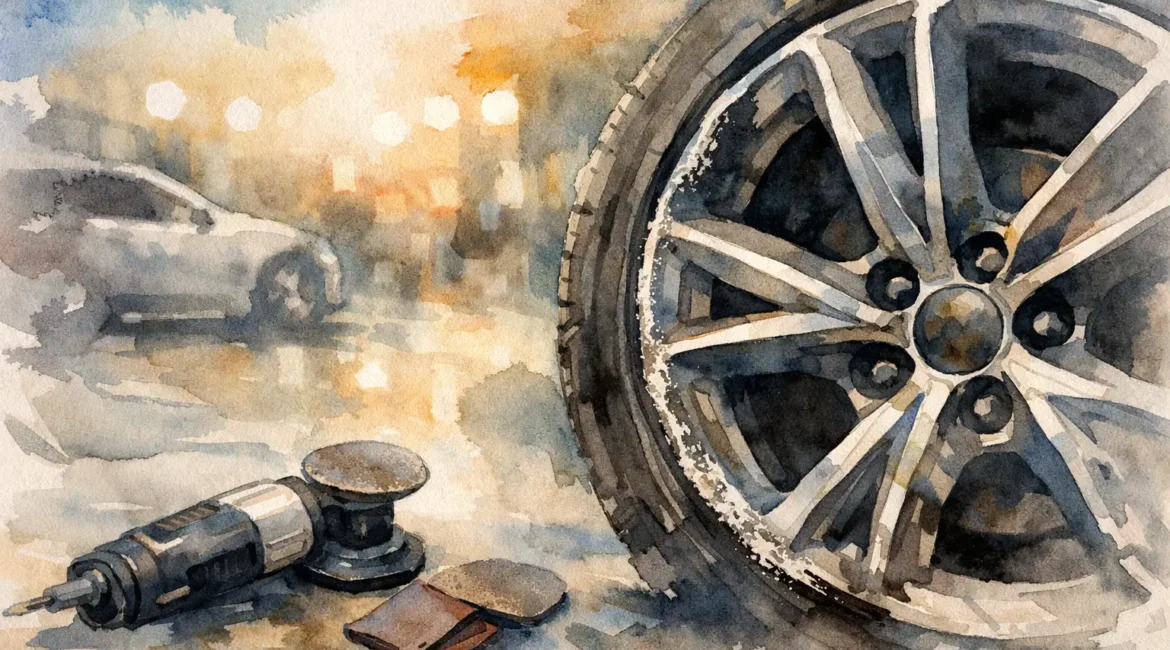
That scrape against a kerb can make an otherwise tidy car look neglected in seconds. If you are asking can scuffed alloy wheels be repaired, the short answer is yes – in most cases they can. The key is whether the damage is purely cosmetic or whether the wheel has suffered deeper structural harm.
For most drivers, scuffed alloys are not just about looks. Damaged wheels can pull down the overall appearance of the car, affect resale value, and leave you wondering if the wheel is still safe to drive on. The good news is that many scuffs, grazes and kerb marks can be professionally repaired without the cost of replacing the wheel altogether.
Can scuffed alloy wheels be repaired professionally?
In many cases, yes. Professional alloy wheel refurbishment is designed to deal with the kind of everyday damage most drivers pick up through parking, tight turns and rough road edges. Light to moderate scuffs around the rim are usually repairable, and once finished properly, the wheel can look close to showroom condition again.
This is where a proper inspection matters. A wheel might look like it only has a surface scrape, but the extent of the damage is not always obvious until it has been checked closely. A cosmetic repair is one thing. A cracked, buckled or heavily gouged wheel is another.
That is why a reputable repairer will not just look at the finish. They will assess whether the wheel is safe to refurbish and whether repair makes financial sense compared with replacement.
What kind of alloy wheel scuffs can be fixed?
Most cosmetic damage can be repaired if caught early enough. Typical examples include kerb rash, surface scratches, chips in the lacquer, minor scrapes and general wear that has dulled the finish over time. These are the jobs refurbishment is made for.
If the damage is confined to the outer edge of the wheel and has not affected its shape or strength, repair is often straightforward. The damaged area can be smoothed back, filled where needed, prepared properly and refinished to match the rest of the wheel.
Scuffs that have been left for a while can also be repaired, but there can be complications. If moisture has got under the lacquer or the damage has led to corrosion, more preparation may be needed to get a durable finish. That does not always rule out repair, but it can affect the time involved and the final cost.
When a scuff is more than cosmetic
Some wheel damage goes beyond refurbishment. If the alloy is cracked, badly bent, split or has taken a heavy impact from a pothole, safety becomes the priority. In those cases, repair may not be appropriate at all.
A wheel can also be too damaged if large chunks of material are missing or if previous repairs have already weakened the area. A professional body shop or alloy specialist should be honest about that. There is no value in a cheap cosmetic fix if the wheel itself is not roadworthy.
How alloy wheel repair usually works
The process depends on the wheel finish and the severity of the damage, but the aim is always the same – restore the appearance while keeping the result durable.
First, the wheel is cleaned and inspected properly. Any dirt, brake dust and contamination need to be removed so the true condition can be seen. The damaged area is then sanded back and prepared. If the scuff has left a gouge or uneven edge, that will be levelled and filled where suitable.
Once the surface is smooth, the wheel is primed, painted and lacquered, or refinished to suit the original style. Some alloys can be spot repaired, while others need a full face or full wheel refurbishment to get a consistent finish. Diamond-cut wheels can be more complex and may require specialist machinery to achieve the right result.
This is why the cheapest option is not always the best one. A quick cosmetic tidy-up might hide the mark for a short time, but if the preparation is poor, the finish may fail early. Good workmanship shows in the final match, the smoothness of the repair and how well it stands up to day-to-day use.
Is it worth repairing scuffed alloy wheels?
For most people, yes. Repair is usually far more cost-effective than replacing a genuine alloy wheel, especially if the damage is light to moderate. It also makes sense if you are planning to sell the vehicle, return a leased car, or simply want it looking right again.
There is also the wider picture. One scuffed wheel can make the whole car look tired, even if the bodywork is otherwise in good condition. Refurbishing the alloys can lift the appearance of the vehicle immediately and help maintain its value.
That said, it depends on the wheel, the finish and the level of damage. If you have a badly damaged budget wheel, replacement may be the better route. If you have a high-value set of alloys on a newer car, professional refurbishment is often the smarter option.
Can you repair scuffed alloy wheels yourself?
You can buy DIY kits, and for very light marks some motorists do try them. The results are mixed. Small surface marks may look better after a home repair, but matching the colour, texture and lacquer properly is where things usually fall short.
DIY attempts can also make later professional repair more awkward if the wrong filler, paint or preparation has been used. What looked like a money-saving job can end up needing more correction work to sort it out.
If the wheel matters to the look of the car, or if you want a finish that lasts, professional repair is normally the better choice. It saves the guesswork and gives you a proper assessment of whether the wheel is suitable for refurbishment in the first place.
How long does alloy wheel refurbishment take?
That depends on the damage and the finish, but cosmetic repairs can often be turned around quickly. For many drivers, speed matters just as much as price. You need the car looking right again without losing it for days on end.
Minor scuff repairs may be completed far faster than people expect, while more involved refurbishment work takes longer. If several wheels are damaged, it often makes sense to deal with them together so the finish is consistent across the car.
A local repairer with the right setup can usually give a clear timescale after inspection. That is especially useful if you are arranging work around commuting, school runs or preparing the car for sale.
What affects the cost of repairing scuffed alloys?
The biggest factors are the extent of the damage, the wheel size, the type of finish and whether the repair is localised or a full refurbishment. Standard painted alloys are generally simpler to deal with than specialist finishes. Diamond-cut wheels often cost more because the process is more involved.
The condition of the wheel also matters. A fresh kerb scuff is usually more straightforward than an older damaged area with corrosion spreading beneath the lacquer. If tyres need removing or balancing is required afterwards, that can affect pricing too.
Good repair work should still offer value. You are paying for proper preparation, correct materials and a finish that lasts, not just a quick visual cover-up.
Choosing the right repairer
Not every alloy repair is carried out to the same standard. A good repairer will explain what can be fixed, what cannot, and what finish you can realistically expect. They should also be upfront if a wheel is too far gone to refurbish safely.
Look for experience, honest advice and a strong finish standard. Convenience matters too. For busy drivers around Glasgow and the surrounding areas, a service that combines quality workmanship with quick turnaround and practical support can make the whole process far easier.
Unique Bodywork handles alloy refurbishment with the same approach we bring to body repairs – straightforward advice, quality workmanship and repairs that are designed to restore the vehicle properly, not just patch it up.
When to get scuffed alloys looked at
Sooner is usually better. Fresh damage is often easier to deal with before dirt, salt and moisture have time to work into the finish. That is particularly true through wet weather, when exposed alloy can start to deteriorate faster than many people realise.
If you have noticed a new scrape, or your wheels are looking tired from repeated kerb contact, it is worth having them assessed. Even if the damage seems minor, a professional can tell you quickly whether it is a simple refurbishment job or something that needs closer attention.
A scuffed alloy does not always mean a costly replacement. Very often, the right repair can restore the look of the wheel, protect its finish and make the whole car feel cared for again.