
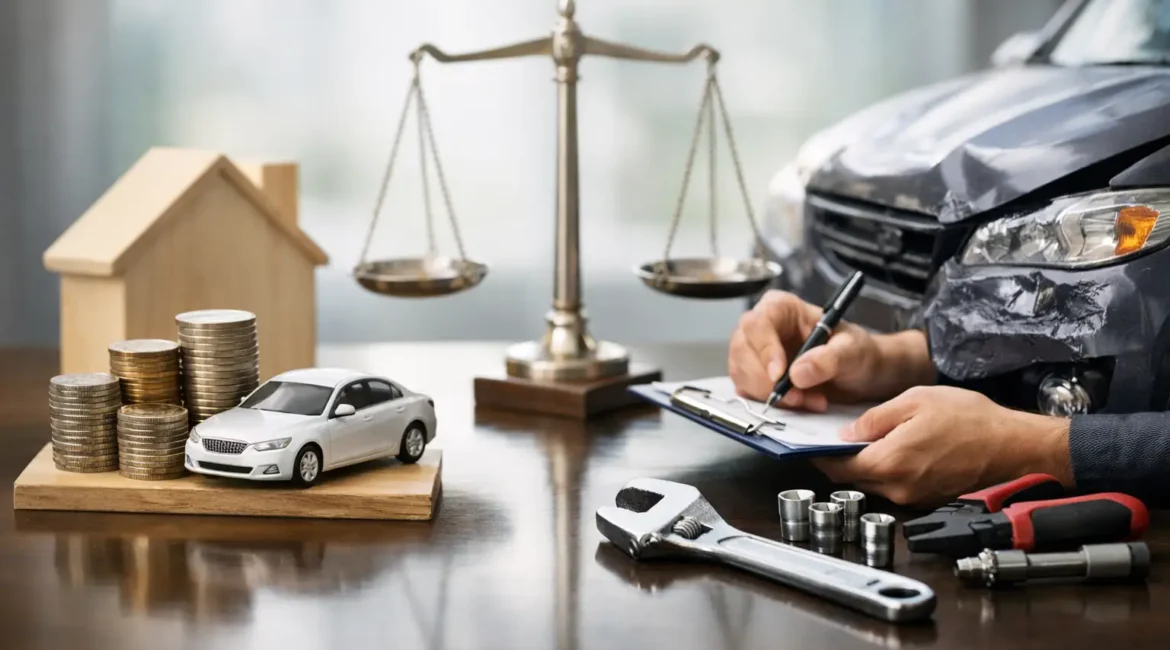
A scuffed bumper after a tight supermarket parking space can look like a small problem. Then you find out your policy excess is £500, and the question becomes much more practical: is it worth claiming at all? Comparing insurance excess versus repair costs before contacting your insurer can prevent an expensive decision and help you get your car back to its best without unnecessary hassle.
The right answer is not always “claim on the insurance”. It depends on the damage, your excess, your policy terms, whether another driver was involved and the likely effect on future premiums. A reputable bodyshop can inspect the vehicle and give you a clear repair estimate, so you have real figures to work with rather than making a decision based on what the damage looks like from the driveway.
Insurance Excess Versus Repair Costs: Start With the Numbers
Your excess is the amount you agree to pay towards an insured repair. It is usually made up of a compulsory excess set by the insurer and a voluntary excess you selected when the policy was arranged. If your repair is approved and costs more than the excess, the insurer normally pays the remaining eligible amount.
For example, if the repair comes to £1,200 and your total excess is £400, you pay £400 and the insurer pays the balance, subject to the terms of your policy. If the repair costs £350 and your excess is £400, there is no financial benefit in making a claim for the repair itself. Paying privately would usually be the more straightforward route.
That does not mean every repair slightly above the excess should automatically go through insurance. A £600 repair with a £500 excess leaves only £100 for the insurer to contribute. Once you factor in a possible loss of no-claims discount, a premium increase at renewal, and the time involved in the claims process, a private repair may still make better financial sense.
The first step is simple: find your exact excess in your policy documents, then obtain a written estimate for the work. Do not assume that a dent or scratch is “only cosmetic”. Modern bumpers can hide damage to clips, brackets, parking sensors, radar equipment or paint layers that need proper preparation to achieve a lasting finish.
When Paying for a Repair Yourself Can Make Sense
Private repairs are often worth considering for low-value cosmetic damage. Small dents, bumper scuffs, light scratches and kerbed alloy wheels can sometimes be repaired for less than, or close to, the cost of your excess. A SMART repair may be suitable where the affected area is localised, avoiding the cost and disruption of repainting a larger panel unnecessarily.
Paying privately also gives you more control over the process. You can choose a trusted repairer, agree the work required upfront and avoid opening a claim for damage that has little value beyond your excess. For many drivers, that is particularly appealing when they have built up a valuable no-claims discount over several years.
It can be sensible to arrange a private repair when:
- the estimate is lower than your total excess;
- the repair cost is only marginally higher than the excess;
- the damage is minor and no other person, vehicle or property is involved;
- you want to protect a no-claims discount that is not protected under your policy; or
- you are preparing to sell, return or hand back a vehicle and need a high-quality cosmetic repair quickly.
There is a quality point here too. The cheapest quote is not always the best value. Poor colour matching, rushed preparation or a repair that fails after a few months can affect how the car looks, what it is worth and what it costs you later. The aim should be a repair that blends properly with the surrounding paintwork and restores the panel to a standard you are happy to see every day.
Ask About More Than the Visible Mark
A proper estimate should consider access, panel material, paint condition and whether components need to be removed and refitted. A bumper with a shallow-looking scrape may need more than a quick polish if the paint has been broken through or plastic has been distorted.
The same applies to alloy wheels. Surface kerbing may be a straightforward refurbishment, but damage near the tyre bead, cracks or distortion can require a different approach. An experienced bodywork specialist will explain what is repairable, what needs replacing and why, without pushing work you do not need.
When an Insurance Claim Is Usually the Better Option
Insurance is there for the bigger bills. If the cost of returning your vehicle to a safe, pre-accident condition is substantially higher than your excess, making a claim can be the sensible choice. This is especially true where there is structural damage, multiple panels, deployed safety systems, damaged lights, broken glass, mechanical damage or advanced driver-assistance sensors that need calibration.
A claim may also be the right route after a collision involving another driver. Even if the damage to your own vehicle appears limited, there may be questions of liability, third-party damage or injury. In those circumstances, do not treat the incident as a simple private body repair without first checking your insurance responsibilities.
If you are not at fault, you may be able to recover uninsured losses, including your excess, from the responsible party or their insurer. The process depends on the facts of the accident and the evidence available. Keep photographs, registration details, contact information and any relevant correspondence. Report the incident as required by your policy, even if you are still deciding whether to proceed with a claim.
For more extensive repairs, insurer-approved work can remove a major financial burden. It can also provide a clearer route where the vehicle needs assessment, parts ordering and repair authorisation. The trade-off is that you should understand exactly what your policy covers, what excess applies and whether using a particular repair route affects your choices.
Do Not Forget the Cost Beyond the Excess
The excess is visible because it is a fixed figure. The longer-term cost of a claim is harder to predict, but it still matters. A claim can affect your renewal price, particularly if you lose some or all of an unprotected no-claims discount. Even where your discount is protected, insurers may still take claims history into account when calculating the overall premium.
There is no universal rule for how much a premium will rise. Insurers price policies differently, and the impact may depend on fault, claim type, driving history, postcode and the vehicle itself. That is why a repair estimate and a quick policy check are more useful than relying on someone else’s experience.
You should also consider your future plans. If renewal is close, ask your insurer how the claim could be recorded and whether it could affect your policy. If you have a leased or financed vehicle, check any repair requirements in your agreement. A professional repair completed to a high standard can be important when the vehicle is inspected at the end of the term.
A Simple Way to Make the Decision
Begin by photographing the damage in good light and checking whether there is any sign of loose panels, exposed metal, tyre damage, warning lights or impaired lights and sensors. If the vehicle may be unsafe, do not delay getting it assessed.
Next, check your compulsory and voluntary excess, then arrange an inspection with a body repair specialist. Compare the estimate with the excess, but leave room for the wider picture: no-claims discount, likely renewal impact, the circumstances of the incident and the quality of the proposed repair.
For a small scuff, a fast private repair could be the most cost-conscious option. For accident damage that runs well beyond the excess, an insurance claim can offer far better protection. If another driver is involved or you are unsure of your obligations, tell your insurer about the incident before committing to a route.
At Unique Bodywork, we see both sides of this decision every day. A clear inspection and honest estimate can help Glasgow drivers choose the option that protects their car, their budget and the finish they expect. Before you make a claim or live with the damage, get the repair assessed properly – the best decision is usually clearer once you know what the work genuinely involves.