
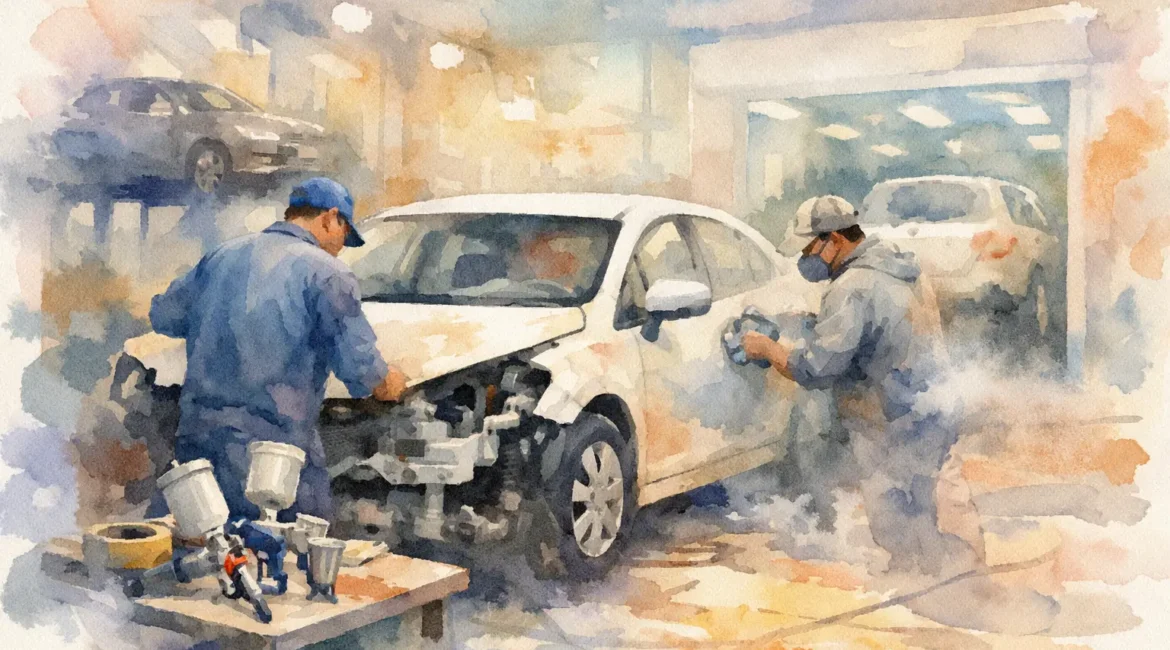
A bump in traffic is bad enough. The frustrating part usually starts after – when you are trying to work out who to call, what your insurer will approve, and whether the repair will actually bring your car back to the condition it was in before the damage. That is where an insurance work car bodyshop earns its keep.
If your car needs accident repairs, the right bodyshop does far more than paint over the damage. It assesses the impact properly, deals with the insurer’s requirements, keeps the repair moving, and makes sure the finished job looks right and performs as it should. For most drivers, that matters more than industry jargon or complicated claims language.
What an insurance work car bodyshop actually does
An insurance repair is not the same as a quick cosmetic fix. In many cases, even minor-looking damage can affect more than one panel, trim section, mounting point or paint edge. A proper bodyshop will inspect the visible damage and look for anything underneath that could change the scope of the repair.
That usually means producing an estimate, recording the damage, agreeing repair methods and working within the insurer’s process. Depending on the claim, there may also be communication around engineer approvals, replacement parts and labour times. A good workshop handles that side of the job without making it your problem.
For drivers around Glasgow and the surrounding areas, convenience matters as much as repair quality. If your car is your way to work, school runs or family life, you need a bodyshop that understands speed matters – but not at the expense of the finish.
Insurance work car bodyshop or cheapest quote?
Price always matters, but the lowest estimate is not always the best result. Insurance repairs are meant to return the vehicle to its pre-accident condition. That means panel alignment, paint match, surface preparation and final finish all count.
A rushed repair can leave uneven gaps, dull paint, overspray, poor blending or parts that never sit quite right again. You might not notice every issue on collection day, but you will notice it later when the light catches a mismatched wing or the resale value takes a hit.
The better question is whether the bodyshop is set up to do the job properly and efficiently. Experience with insurance work helps because the team already knows how to document damage, justify repairs and keep everything moving. That can save time and hassle compared with a workshop that treats insurance jobs as an occasional extra.
What happens after you report the accident
Once the claim is underway, the next steps depend on your insurer, the level of damage and whether fault has been accepted. Some repairs can be authorised quickly. Others need inspection, further images or revised estimates once the vehicle is stripped down.
This is where many customers get stuck. The outside of the car may suggest one level of damage, but once the bumper, trims or affected panels are removed, more issues can appear. That is normal in body repair work, and it is one reason repair times can shift.
A reliable bodyshop will explain this in plain language. You should know what has been found, what needs approval and whether the repair is still the right route. Straight answers matter. There is no benefit in pretending every job is simple when some are not.
Why repair quality matters on insurance jobs
Insurance-backed work still needs to meet the same standard as any other repair. In fact, many customers expect more from it because the repair follows an accident and often affects a newer or higher-value vehicle.
Paintwork is one of the biggest concerns. Matching colour across adjacent panels takes skill, especially with metallic, pearl and modern factory finishes. A poor match can make even a structurally sound repair look second-rate. Good preparation, correct paint application and careful blending are what separate a proper repair from a patch-up.
Panel work matters too. A car should not come back with rough edges, uneven shut lines or trim pieces that feel loose. If the repair area is visible every time you approach the vehicle, the finish has to be right. That is what restores confidence in the car.
The benefit of a bodyshop that understands claims
Drivers often assume the insurer controls every part of the process. In reality, the bodyshop you choose can have a major effect on how smooth the job feels from start to finish.
A workshop experienced in insurance repairs knows how to prepare estimates properly, respond to queries quickly and keep repairs moving once approval lands. That reduces delays and cuts down the back-and-forth that leaves customers chasing updates.
It also helps when the same business can support accident damage from first inspection through to final handover. If there is collection and delivery available, that can make a real difference when the car is not roadworthy or when fitting the repair around work and family commitments is already difficult.
Non-fault claims and where things can differ
Not every insurance repair follows the same path. If the accident was not your fault, there may be additional support available depending on the circumstances. That could affect who manages the claim, how repairs are authorised and what happens with replacement transport.
This is one of those areas where it depends on the details. The other driver’s insurer, the evidence available and how liability is handled can all change the process. What matters is having someone explain your options clearly rather than pushing you through a one-size-fits-all route.
For many motorists, that guidance is just as valuable as the repair itself. After an accident, most people are not looking to become experts in claims handling. They want the car sorted properly and the stress reduced wherever possible.
Choosing the right insurance work car bodyshop
A good bodyshop should give you confidence early. That comes from clear communication, a straightforward inspection process and realistic timescales. If everything sounds vague, rushed or too good to be true, it usually is.
Look for a repairer that handles both cosmetic and accident damage, because that breadth of experience tends to show in the quality of the finished work. Dented panels, cracked bumpers, scratches, wheel damage and paint refinishing often appear together after a collision, so it helps when one team can manage the full repair rather than splitting work across different places.
It is also worth asking how the repair will be approached. Some damage can be repaired cost-effectively without replacing every affected part. In other cases, replacement is the better and safer option. The right answer depends on the damage, the car and the insurer’s approval, not on a blanket rule.
That practical approach is what many customers want from a local specialist. At Unique Bodywork, the focus is on restoring vehicles to pre-damage or showroom condition while keeping the process straightforward for the owner.
Speed matters, but only when the standard stays high
Everyone wants their car back quickly. Same-day work may be possible for minor repairs, but insurance accident work often needs more time because approvals, parts and hidden damage can affect the schedule.
A trustworthy bodyshop will not promise a turnaround it cannot deliver. That is a good sign, not a bad one. Honest timing protects the quality of the repair and avoids the disappointment of repeated delays.
Fast service is still important, of course. The difference is that speed should come from an organised repair process, experienced technicians and efficient communication – not from cutting corners on prep, paint or final checks.
What you should expect before collection
Before your car comes back, the repair should be checked properly. That means the repaired area should look right in natural light, panels should fit correctly, and the finish should be clean and consistent. If parts were removed and refitted, they should feel secure and operate as they should.
You should also be told clearly what was repaired and whether anything changed during the process. Good service is not just about the workshop doing the work. It is about making sure you feel comfortable with the result when you get the keys back.
After an accident, most drivers want the same thing – to hand the problem over to people who know what they are doing and get the car back looking right, driving right and without extra stress. That is exactly what a proper insurance bodyshop service should deliver.