
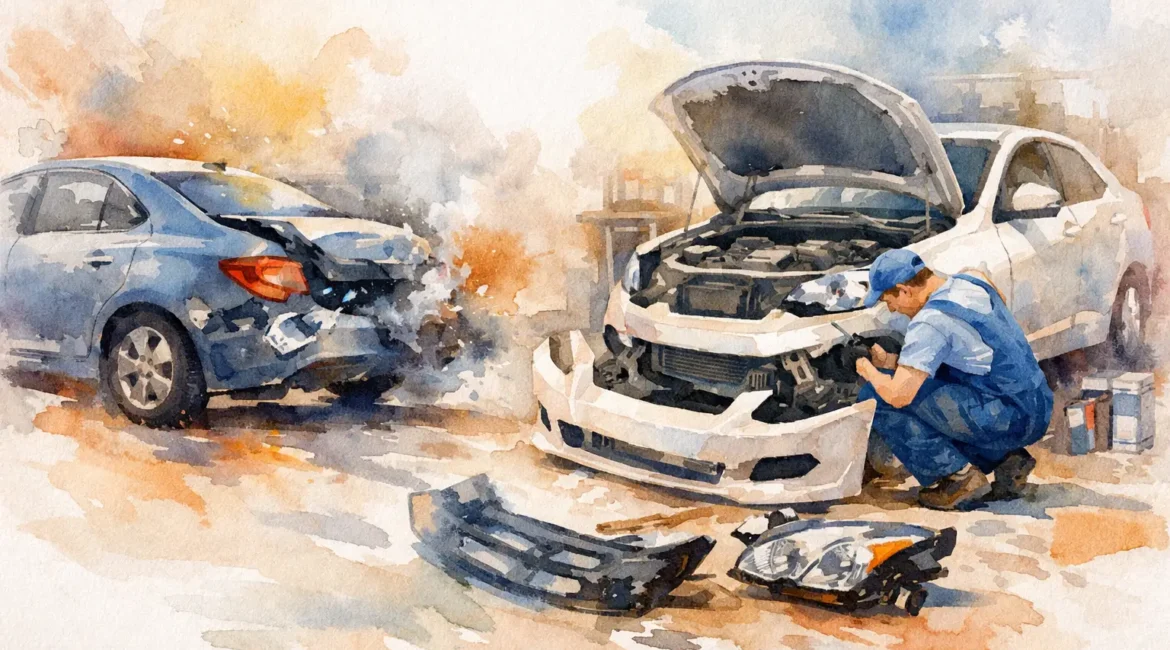
A crash that was not your fault can still leave you with a damaged car, a pile of calls to make, and far too many questions. That is where non fault accident repair matters. Done properly, it is not just about fixing dents and paintwork. It is about getting your vehicle back to its pre-accident condition without being left out of pocket or stuck dealing with the wrong repair route.
What non fault accident repair actually means
Non fault accident repair applies when another driver is responsible for the collision and your vehicle needs bodywork, structural repair, paintwork, or replacement parts. In simple terms, you should not have to carry the cost of putting your car right when the accident was not your fault.
That sounds straightforward, but the process often gets muddled. Some drivers assume they must accept whichever repair option is suggested first. Others worry that using a specialist bodyshop will complicate the claim. In reality, the right repairer can make the whole process easier, especially when they understand both the repair side and the claims side.
The main goal is to restore the vehicle to the condition it was in before the accident. That includes obvious damage such as cracked bumpers, dents, scuffs and broken panels, but it can also include hidden issues underneath the surface. A light knock in a car park may need a simple cosmetic repair. A heavier impact may affect alignment, structural sections, wheel damage or safety systems. Until the car is inspected properly, guessing is risky.
Why the repair route matters after a non fault accident
Not all repairs are equal. If the job is rushed or corners are cut, the finish may look poor, the panels may not line up properly, and the value of the vehicle can suffer. That matters whether you drive a family hatchback, a work van or something you take real pride in.
A proper non fault accident repair should focus on quality first. That means accurate damage assessment, the correct repair method, and paintwork that matches properly. It also means practical support. Most drivers are not interested in managing a claim line by line. They want clear answers, fast turnaround and the confidence that the job is being handled by people who know what they are doing.
This is where experience really counts. An established repairer can spot damage that less experienced teams might miss. They can also explain what is repairable, what should be replaced, and where the insurer or claim handler may need supporting evidence.
The usual process for non fault accident repair
The process normally starts with an inspection. Photos from the accident scene help, but they are not enough on their own. The vehicle needs to be checked for both visible and hidden damage. Once that is done, a repair estimate can be prepared and the next step becomes much clearer.
If liability is accepted by the at fault party, the repair process can move forward through a non-fault claim route. Depending on the circumstances, this may also involve a courtesy car, communication with insurers, and help with the paperwork. For many drivers, that support is just as valuable as the repair itself.
The repair then follows the damage. Minor impacts may be dealt with through panel repair, SMART work or localised paint correction. Heavier damage may need replacement panels, jig work, refinishing and full blending to match the surrounding paint. When alloy wheels, trim or body kit parts are involved, those need the same attention if the vehicle is to be returned properly.
Once the work is complete, the finish should be checked carefully. A good repair is not just about what photographs well. It should look right in daylight, fit right on the car, and hold up in normal use.
Can you choose your own repairer?
In many cases, yes, and that is an important point. Drivers often feel pushed towards a repair network they have never heard of. The better question is whether that option gives you the standard of workmanship and convenience you actually want.
Choosing a trusted local specialist can make a real difference. You are more likely to get direct communication, a realistic timescale, and a repair that is focused on the condition of the car rather than a box-ticking exercise. For drivers across Glasgow and surrounding areas, convenience also matters. Collection and delivery can save time, especially if your schedule is already disrupted by the accident.
What you may be able to claim for
Non fault accident repair is usually part of a wider claim, not just a bodyshop job. Depending on the circumstances, you may be entitled to recover repair costs, a replacement vehicle while yours is off the road, and other reasonable losses linked to the accident.
That does not mean every claim looks the same. It depends on who accepts liability, the extent of the damage, and how quickly the insurers respond. If fault is disputed, the claim can take longer. If the car is written off, the route changes completely. This is why early advice matters. The sooner the damage and liability position are looked at properly, the easier it is to avoid delays and confusion.
It is also worth keeping records. Save photographs, repair correspondence, claim reference numbers and any receipts related to the incident. You may never need every detail, but having them to hand makes the process smoother.
Common mistakes drivers make after a crash
One of the biggest mistakes is driving on with damage that seems minor. A bumper scrape may hide broken fixings, sensor issues or damage behind the panel. Another common mistake is settling for the first quick answer without understanding what the repair really involves.
There is also the temptation to delay. Life gets busy, and if the car still moves, many people put it off. That can create bigger problems later, from worsening cosmetic damage to disputes about whether the issue came from the accident at all.
The safest approach is simple. Get the car inspected, get clear advice, and deal with it properly. That protects both the vehicle and your position in the claim.
How to judge the quality of a non fault accident repair
A proper repair should leave the car looking right and driving right. Paint should match evenly across repaired and adjacent panels. Gaps between panels should be consistent. Trim should be fitted correctly. Warning lights and parking sensors should work as they did before.
You should also expect clear communication before the work starts. If a repairer cannot explain what needs done, how long it should take, or what standard they are aiming for, that is a concern. Good bodyshops do not hide behind jargon. They explain the job in plain language and stand by the quality of the finish.
For many customers, speed matters, but speed on its own is not the target. Fast turnaround only helps if the workmanship is right. The best result is a repair completed efficiently without compromising the final standard.
When cosmetic damage is not just cosmetic
It is easy to focus on what you can see – a scuffed corner, a cracked grille, a dented wing. But modern vehicles pack a lot into relatively small spaces. Sensors, brackets, clips, lighting units and calibration points can all be affected even when the outer damage looks modest.
That is why a proper assessment matters after any non-fault collision. What looks like a straightforward bumper repair may involve more once the panel is removed. A decent repairer will tell you that honestly. They will not promise a quick cosmetic fix if the safer and better option is a more involved repair.
Why local support still matters
After an accident, most people want less hassle, not more. Being able to speak to a real team, get a sensible answer, and arrange repair around work or family life makes a big difference. That is one reason many drivers still prefer a local bodyshop with a strong reputation over a faceless national process.
A business such as Unique Bodywork understands that the repair is only part of the job. Customers also need convenience, reliable timescales, and confidence that their vehicle will come back looking as it should. Whether the damage is a scraped bumper or heavier collision work, the standard should be the same – put the car back to the condition you would expect to drive, keep and be proud of.
If your car has been hit and the accident was not your fault, do not leave the next step to chance. Get the damage looked at properly, ask the right questions, and choose a repair route that protects both your vehicle and your peace of mind.