
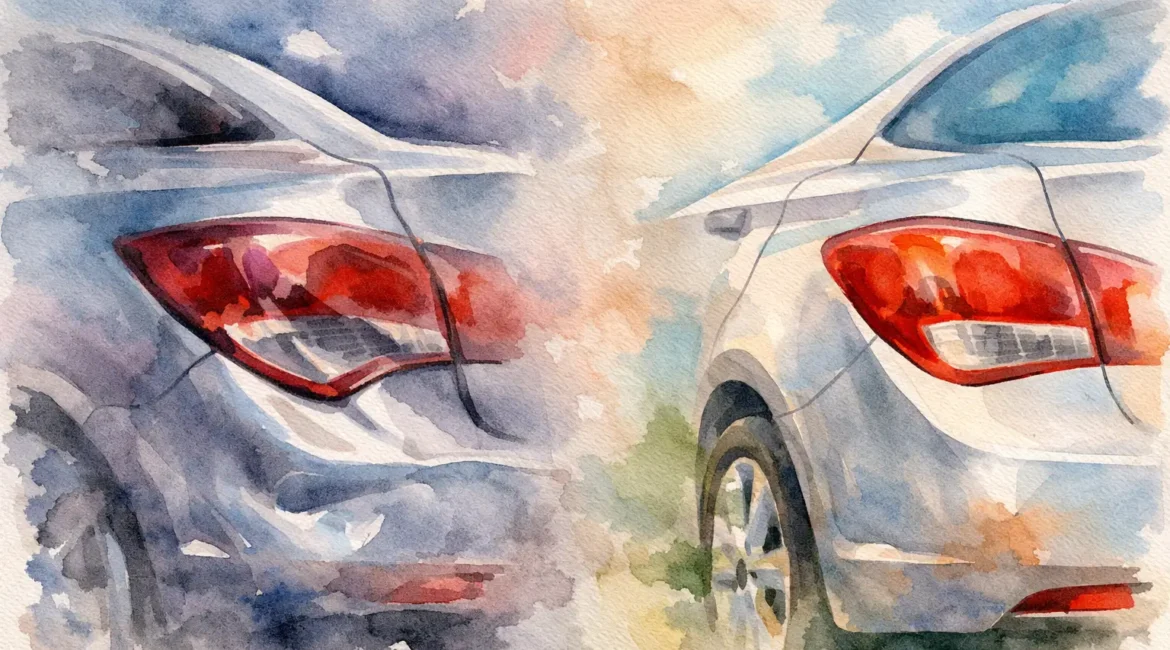
A dent always looks worse when the light hits it side-on. What seemed like a small knock in a car park suddenly shows a ripple through the panel, a sharp crease in the paint, or a gap that was not there before. That is why dent repair before and after matters so much. You are not just paying to make damage less obvious. You are paying to get the panel shape, paint finish, and overall look of the car back to the standard it should be.
For most drivers, the big question is simple. Will the repair actually look right when it is done? The honest answer is that it depends on the type of damage, where it is on the vehicle, and who carries out the work. A proper repair should leave the panel looking clean, straight, and consistent with the rest of the car. A poor one can leave sanding marks, mismatched paint, uneven reflections, or tell-tale filler lines that stand out just as much as the original dent.
What dent repair before and after should really show
The best before and after results are not about dramatic photos alone. They show that the vehicle has been restored properly, not just tidied up enough to pass a quick glance. On a well-finished repair, the panel should sit correctly, body lines should remain sharp, and the paint should blend naturally with the surrounding area.
That matters whether the damage is on a door, wing, bumper, quarter panel, or sill. Modern cars are full of contour lines and shaped panels, so even a small dent can distort the way light reflects off the surface. When the repair is done well, those reflections become smooth again. That is often the difference customers notice first.
There is also a practical side to this. A visible dent can affect resale value, especially if buyers suspect underlying damage or poor previous work. Even if you plan to keep the car, cosmetic damage has a habit of bothering you every time you walk up to it. Getting it sorted properly restores the appearance and removes that constant reminder of the knock or scrape.
Not every dent has the same repair path
Some dents can be repaired quickly with minimal work. Others need more involved attention, particularly if the paint has cracked, the metal has stretched, or the damage sits on an edge or body line. This is where experience matters.
A shallow parking dent with no paint damage may be suitable for paintless repair in some cases. That keeps more of the original finish intact and can be faster and more cost-effective. A deeper dent with chipped paint usually needs filling, preparation, refinishing, and blending. If the damage is on a plastic bumper, the repair method changes again because plastic behaves differently from metal.
This is why one before and after result cannot tell the whole story for every car. Two dents that look similar at first glance can need completely different repair processes. The right approach depends on the panel material, the location, and how far the damage has travelled beneath the obvious point of impact.
When the paint matters as much as the panel
A lot of people focus on the dent itself, but paint finish is often what makes or breaks the final result. If the panel is straight but the colour match is poor, the repair will still stand out. Metallic and pearlescent finishes can be especially tricky because they react differently in daylight, shade, and under workshop lighting.
A proper before and after transformation should show more than dent removal. It should show a consistent finish, good gloss level, and no obvious difference between the repaired area and the rest of the car. That takes careful preparation and refinishing, not shortcuts.
What a quality repair looks like up close
From a distance, many repairs can look acceptable. Up close is where standards show. A good dent repair should not leave sinkage in the panel, rough texture in the paint, or overspray on trims and adjacent areas. The repaired section should look like part of the original car, not an obvious patch.
Panel alignment matters too. If a dent repair involves removing and refitting parts, gaps around doors, lights, bumpers, and wings should remain even. On modern vehicles, a tidy finish is not just about the panel face. It is about how every surrounding part sits once the work is complete.
This is one reason local drivers often prefer an established body repair specialist rather than chasing the cheapest quote. The lower price can sound appealing at first, but if the repair leaves visible defects, it is not really cheaper. You either live with it or pay again to have it corrected.
Dent repair before and after for insurance work
If your car has been damaged in a non-fault accident or an insured incident, before and after quality becomes even more important. Insurance repairs should restore the vehicle to its pre-accident condition, not simply cover the damage well enough to move on.
That means assessing whether the dent is only cosmetic or whether there is deeper structural or mounting damage around it. A bumper corner, for example, may show a dent and scuff on the outside while clips, brackets, or internal supports have also been affected. If those are not dealt with properly, the car may still look slightly off after repair.
For customers, this is where having a repairer who can handle both the bodywork and the wider claims process can make life easier. Instead of juggling separate conversations, you can get the vehicle assessed, repaired, and returned in the right condition without extra stress.
Speed matters, but not at the expense of the finish
Same-day or fast-turnaround repairs can be a genuine benefit, especially if you rely on your car for work, school runs, or daily commuting. But speed only helps if the standard stays high. Rushed preparation or poor curing times can lead to issues that appear later, including loss of gloss, visible edges, or imperfections in the finish.
The right bodyshop will be honest about what can be done quickly and what needs more time. That is a better sign than being promised an unrealistically fast repair on every job. Good workmanship is not about dragging things out. It is about doing the repair properly the first time.
Why before and after results matter for resale value
Even if a dent seems minor, buyers notice cosmetic condition straight away. It shapes their view of how the vehicle has been looked after. A car with clean panels and consistent paintwork gives a stronger impression than one with visible knocks, creases, and scrapes.
That does not mean every dent must be repaired before sale, but quality work usually puts you in a stronger position. A proper repair can help avoid low offers and awkward questions. It also stops small damage from becoming part of a wider impression that the car has been neglected.
For leased vehicles and financed cars, appearance can matter even more. End-of-term inspections can pick up damage you have stopped noticing. Sorting dents before handover can be a sensible way to avoid larger charges later.
Choosing the right repairer for visible results
If you are comparing bodyshops, do not just ask whether they can fix a dent. Ask what finish you should expect afterwards. A confident, experienced repairer will explain the likely method, whether paint is involved, how close the match will be, and how long the work should take.
It also helps to deal with a team that understands convenience as well as craftsmanship. Collection and drop-off can make a big difference when your week is already busy, and that practical support matters just as much as the technical side for many drivers across Glasgow and South Lanarkshire.
At Unique Bodywork, the focus is simple: restore the vehicle properly, keep the process straightforward, and return it looking the way it should. That is what customers are really looking for when they ask about before and after results.
The real difference is confidence
The best dent repair before and after result is the one you stop thinking about. You walk up to the car, the panel looks right, the paint looks right, and there is nothing catching your eye for the wrong reason. That confidence is what a proper repair should give you.
If your car has picked up a dent, a crease, or paint damage, the next step is not guessing from the driveway. It is getting it looked at properly by people who know what a finished repair is supposed to look like. When the work is done well, the after should feel like the damage never happened.