
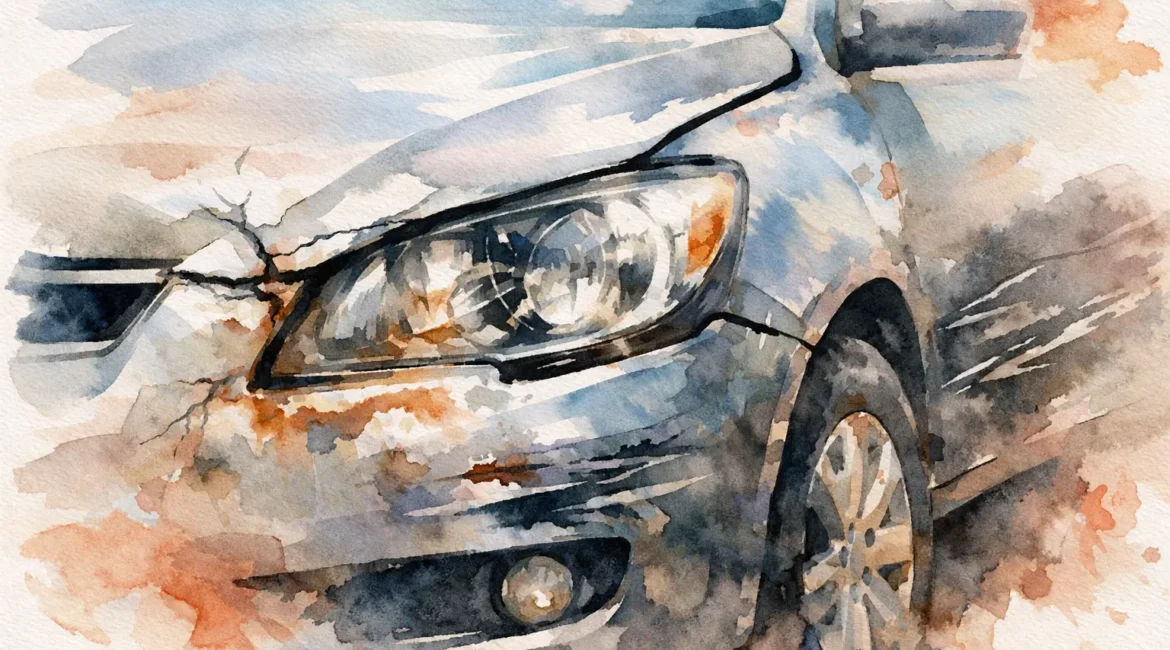
A scrape in a supermarket car park can feel minor until the paint starts lifting six months later. Knowing the top signs bodywork needs repair helps you deal with damage while it is still a straightforward, cost-effective job, rather than waiting for corrosion, worsening cracks or a reduced resale value to create a bigger problem.
Bodywork is more than the part of your car that people see first. Panels, paint and protective coatings all work together to shield the metal underneath from Glasgow’s rain, road salt, grit and everyday wear. If something looks, feels or drives differently after a knock, it is worth having it checked properly.
Top signs bodywork needs repair
Scratches that cut through the paint
Not every scratch needs a full repair. Light marks sitting in the clear coat can sometimes be polished out, especially if your fingernail does not catch on them. A scratch that feels deep, exposes a different colour underneath, or reaches bare metal is another matter.
Once the protective paint layers are broken, moisture can get to the panel. On a dark car, this might show up as a pale line; on a lighter vehicle, you may see a darker mark or a small patch beginning to rust. Touch-up paint can be useful for a very small stone chip, but it rarely gives a clean result on a long scratch, a bumper corner or a highly visible door panel. A professional colour-matched repair is usually the better way to restore the finish and prevent the damage spreading.
Dents, creases and ripples in a panel
A shallow, round dent with undamaged paint may be suitable for paintless dent removal or a SMART repair. However, a dent with a sharp crease, cracked paint, stretched metal or damage close to a panel edge usually needs more involved bodywork.
Look along the side of the vehicle in good daylight. Reflections should appear smooth. If they bend, ripple or break around a door, wing or rear quarter, the panel has been distorted even if the damage seems small at first glance. Modern vehicles use thinner panels and complex curves, so trying to push a crease out at home can leave a lasting ripple that is harder to correct later.
Paint bubbling, flaking or rust spots
Bubbling paint is one of the clearest warning signs that the problem sits below the surface. Rust expands as it forms, lifting paint and turning a tiny blemish into a larger patch of corrosion. It often begins around wheel arches, sills, door bottoms, boot lids and stone-chipped bonnet edges.
A surface rust spot caught early may only require local preparation, treatment and refinishing. If left through a wet winter, corrosion can work through the metal and make a small repair far more labour-intensive. Do not simply paint over bubbling areas. The affected material needs to be properly removed and the panel sealed before repainting, otherwise the rust is likely to return.
Panels, doors or bumpers no longer line up
Uneven panel gaps are not always a sign of accident damage. Some cars leave the factory with slightly wider gaps than others. What matters is a change: one side of the bonnet sitting higher, a bumper corner pulling away, or a door that no longer follows the line of the wing.
Poor alignment after a knock can mean broken clips, damaged brackets or a panel that has shifted. It can also allow water and road dirt into places they should not reach. If a door needs more force to close, catches on its latch or makes wind noise at speed, arrange an inspection rather than forcing it. A bodyshop can assess whether the issue is cosmetic, a fitting problem or evidence of deeper damage.
Cracked or loose bumper sections
Bumpers are designed to absorb low-speed impacts, which is why they can look surprisingly intact after a bump. But splits around parking sensors, fog lights, grilles or wheel arch edges can grow with vibration and temperature changes. A loose bumper can also rub against a tyre, detach further on the road or leave components behind it exposed.
Small cracks are often repairable, depending on the bumper material and location. A replacement may be more sensible where the plastic is badly torn, misshapen or missing mounting points. The right option depends on the extent of the damage and the cost of returning the vehicle to a safe, tidy standard – not just on what is visible from a few steps away.
Doors, boot lids or bonnets that do not operate properly
A door that drops slightly when opened, a boot lid that needs slammed, or a bonnet that will not sit flush should never be dismissed as an annoyance. It could be a worn hinge or latch, but it may also follow impact damage around the opening.
This is particularly relevant after a side scrape, rear-end knock or a vehicle reversing into a post. Misaligned closures can compromise weather seals, create rattles and, in some cases, affect how securely the panel latches. If the bonnet catch, door lock or boot latch feels unreliable, avoid delaying the repair.
New noises after a bump
Rattling behind a bumper, a persistent squeak from a door, or a vibration that appears after an impact can point to loose trims, broken clips, damaged undertrays or a panel rubbing against another component. These sounds are easy to ignore when the car still drives, but they can reveal damage that is not obvious from outside.
Pay attention to when the noise happens. A rattle only over potholes may be a loose liner or shield. A scrape during full steering lock could involve an arch liner, bumper edge or wheel area. Bodywork repairs sometimes sit alongside mechanical checks, so a proper inspection helps make sure cosmetic damage has not masked something that needs attention elsewhere.
When cosmetic damage is no longer cosmetic
A small scuff is often just that, particularly on a plastic bumper with no cracks. The decision changes when paint is broken, metal is exposed, panel gaps have moved or a door, bonnet or boot does not work as it should.
There is also the financial side. A damaged alloy, deep key scratch or dented rear quarter can make an otherwise well-kept car look neglected when it is time to sell or hand it back at the end of a finance agreement. Repairing localised damage early can be more economical than paying for a full panel repaint later. The same applies to rust: treating a small affected area promptly is nearly always preferable to waiting for corrosion to spread.
What to do after spotting bodywork damage
Take clear photographs in daylight before washing, polishing or attempting any home fix. Photograph the full panel as well as close-ups, especially if another driver may be involved. If the damage followed a non-fault accident, keep the other driver’s details, vehicle registration and any witness information.
Avoid using temporary tape as a long-term answer for a loose bumper or trim. It may keep a piece in place for a short journey, but it does not restore the mounting points or protect the area properly. Likewise, be cautious with DIY dent-pulling kits and aerosol paint. They can be tempting for a quick result, yet poor preparation or an incorrect colour match often leaves a repair more noticeable than the original damage.
For everyday dents, scratches, accident damage and alloy refurbishment, the most useful next step is a clear assessment of what genuinely needs repaired. Unique Bodywork can advise whether a local SMART repair, panel repair, replacement or refinishing work is the sensible route, while helping Glasgow-area drivers keep the process convenient with collection and drop-off where required.
A car does not need to be undriveable to deserve attention. If the finish is broken, the panel line has changed or the vehicle simply no longer looks or operates as it should, getting an expert opinion now can protect its condition, appearance and value for the miles ahead.