
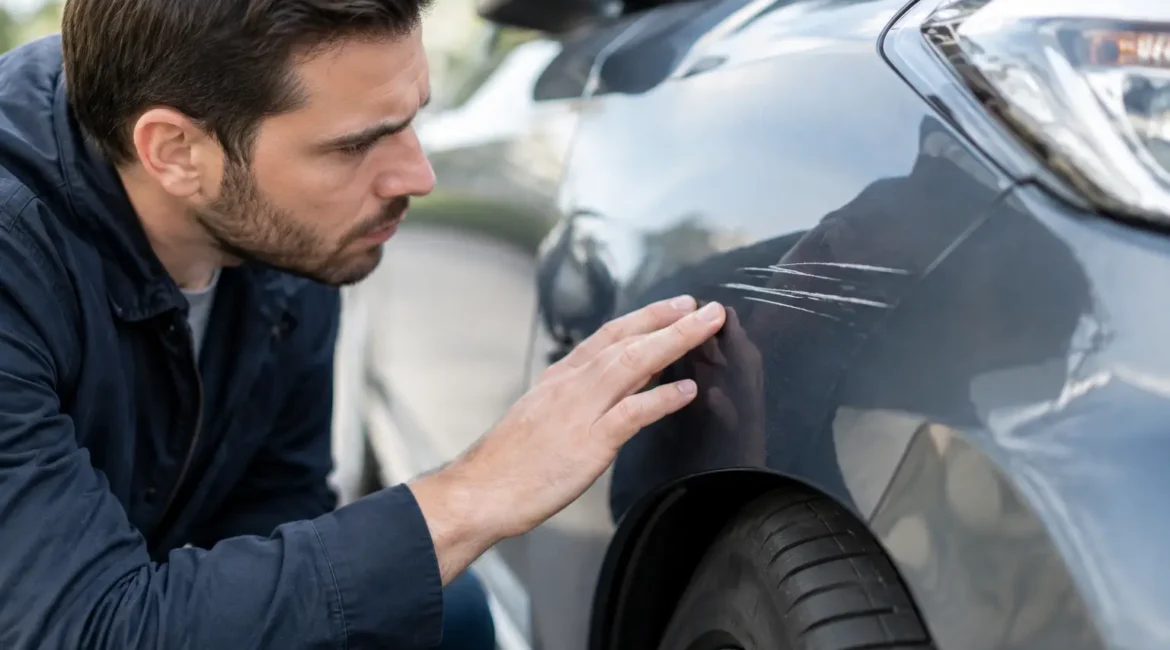
A scratch from a tight supermarket car park, a stone chip on the motorway or a scrape against a low wall can look minor at first. But can paint scratches rust? Yes, they can – if the damage has broken through the protective paint layers and exposed bare steel underneath. In Glasgow’s wet weather, leaving that area untreated can turn a small cosmetic repair into a larger bodywork job.
The good news is that not every mark needs urgent paintwork. The key is knowing how deep the scratch is, what material sits beneath it and how quickly you act. A proper assessment saves guesswork and helps protect both your car’s appearance and its resale value.
Why paint is more than just a finish
Vehicle paint is a protective system, not simply a layer of colour. Most modern cars have several coatings working together: a primer that bonds to the panel, colour coat, and clear coat that gives the paint its gloss and helps protect it from moisture, road salt and UV exposure.
When a scratch only affects the clear coat, it may look obvious but usually has not created a route for water to reach the metal. A scratch through the colour coat needs closer attention. Once you can see bare metal, the panel is no longer properly sealed, and corrosion can begin.
Rust is a chemical reaction between iron, oxygen and water. Scotland provides plenty of moisture, while winter grit and road salt speed the process up further. Water can also creep beneath damaged paint at the edge of a chip or scratch, causing corrosion to spread wider than the visible mark.
Can paint scratches rust on every part of a car?
No. Rust only develops on ferrous metal, so scratches on plastic bumpers, trim and some aluminium panels will not rust in the same way. They can still look poor, collect dirt and expose the part to further deterioration, but the orange-brown corrosion associated with steel is not the concern.
Many body panels are steel, including doors, wings, sills, bonnets and quarter panels. These are the areas where a deep scratch should be dealt with promptly. The lower parts of a car deserve particular attention because they are regularly hit with water, grit and salt from the road.
Aluminium does not form traditional rust, but it can corrode. That corrosion can affect the finish and structure of the panel, so deep damage on an aluminium bonnet, door or wing should not be ignored either. A bodyshop can identify the panel material and recommend the correct repair method.
How to tell whether a scratch needs attention
A quick visual check can tell you a lot. Run a clean fingernail lightly over the mark. If it does not catch, the damage may be confined to the clear coat and could potentially be machine polished. If your nail catches, the scratch is more likely to have gone through one or more paint layers.
Look at the colour inside the damaged area. A white or grey layer may be primer. Silver, dark grey or bare-looking metal often means the panel has been exposed. If you can see an orange stain, bubbling paint, flaky edges or a raised rough patch, corrosion may already be starting.
Do not rely on colour alone, particularly on modern vehicles. Some panels use plastic, galvanised steel or specialist primers that can make a scratch appear different. What matters is whether the protection has been broken and whether moisture can get behind the paint.
Scratches that can usually wait
Fine swirls from washing, light scuffs in the clear coat and surface marks transferred from another object are normally cosmetic. A professional polish or SMART repair may restore the finish without repainting a whole panel.
That does not mean every light mark will disappear completely. Very deep clear-coat damage may remain faintly visible after polishing, and aggressive DIY polishing can burn through paint edges. A professional inspection gives you an honest view of the likely result before work begins.
Scratches that should be repaired soon
Deep key marks, stone chips showing metal, damaged paint around wheel arches, scraped sills and scratches near panel seams should be treated as priorities. These locations are exposed to water and road contamination, and rust can begin behind the surface before it becomes clearly visible.
Damage around a door edge also needs attention. Repeated opening and closing can knock loose paint away, while water can settle in the seam. What begins as a small chip can develop into a much more expensive repair if corrosion reaches the panel from underneath.
What to do as soon as you notice exposed metal
First, wash the affected area gently to remove salt, dirt and loose paint. Dry it fully with a clean microfibre cloth. Avoid rubbing the scratch with an abrasive pad or using harsh household cleaners, as this can enlarge the damaged section and remove more protective coating.
If you cannot arrange a repair immediately, a suitable automotive touch-up product can offer short-term protection on a tiny chip. It is not a substitute for a proper refinishing repair, especially on a noticeable panel or where rust has already begun. Poorly applied touch-up paint can trap contamination, look uneven and make later blending more difficult.
Keep an eye on the area until it is repaired. If the mark starts to bubble, turn orange or spread, the paint is no longer containing the corrosion. At that point, covering it with more paint without preparing the metal properly will not solve the problem.
Why painting over rust is rarely the answer
Rust needs to be removed or properly treated before new paint is applied. Simply painting over a corroded scratch may make the panel look better for a short time, but moisture and oxidation can continue beneath the new coating. The result is often bubbling, lifting paint and a repair that fails far sooner than it should.
A quality bodywork repair starts with assessing the depth and spread of the damage. The affected area is cleaned and prepared, corrosion is removed where necessary, and the panel is primed, colour matched and refinished. For localised damage, a SMART repair can often blend the repaired section into the surrounding paintwork rather than requiring a full-panel respray.
The right option depends on the position of the scratch, paint type, panel material and whether there is existing rust. A small stone chip on a wing and corrosion along a sill may both start as paint damage, but they require very different levels of preparation.
The cost of waiting
It is understandable to put off a scratch repair when the car is still driving perfectly. Yet corrosion is one of the few problems that normally gets more expensive with time. Once rust spreads below the paint, a repair may involve a much larger area than the original mark suggested.
On panels such as sills, arches and lower door sections, advanced corrosion can also affect MOT concerns and the vehicle’s long-term condition. Even when safety is not immediately affected, visible rust can reduce buyer confidence and make a car harder to sell or trade in.
Prompt repairs are usually more controlled, more discreet and more cost-effective. They also help preserve a uniform finish, which matters when you take pride in your vehicle or want it looking its best after an accident.
A professional repair gives you a lasting finish
For drivers who want the car returned to showroom condition, the goal is not simply to hide a scratch. It is to stop corrosion, rebuild the protective paint layers and achieve a colour match that sits naturally with the rest of the panel.
At Unique Bodywork, scratches are assessed for the damage you can see and the damage that may be developing underneath. Whether it is a light scuff, a deep scrape or corrosion starting around a damaged area, the repair can be tailored to the condition of the vehicle rather than taking a one-size-fits-all approach.
If your paint scratch has exposed metal, do not wait for a patch of rust to make the decision for you. Getting it checked early is the simplest way to protect the panel, the finish and the value of your car.