
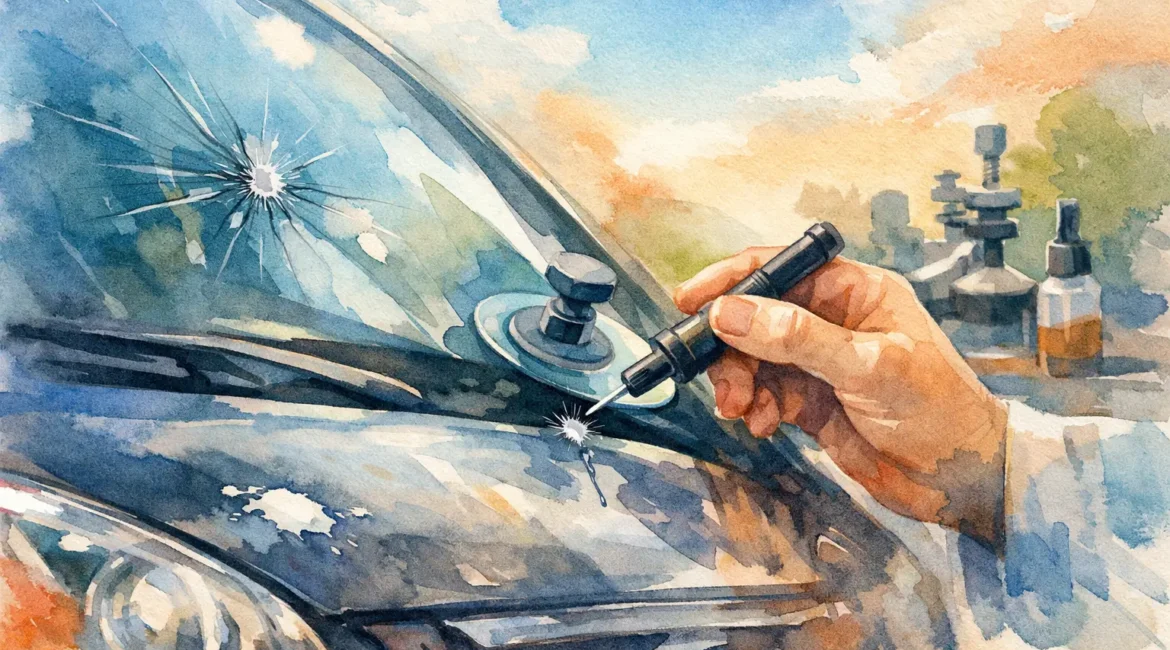
A fresh stone chip on the bonnet can look small enough to ignore, especially when the car still drives perfectly. But can stone chips be repaired before they become a bigger paintwork problem? In most cases, yes. The right repair depends on how deep the chip is, where it is, how many there are and whether moisture has already reached the metal underneath.
A properly repaired stone chip protects the panel as well as improving its appearance. Leaving one exposed through a Glasgow winter, however, can allow corrosion to start beneath the paint. What began as a tiny mark can then turn into bubbling paint, flaking lacquer and a far more involved repair.
Can Stone Chips Be Repaired Without Repainting the Whole Panel?
Many stone chips can be repaired locally without a full respray. This is particularly true where the damage is isolated, the surrounding paint is sound and the chip has not spread into a larger scratch or dent.
For a minor chip, a body repair specialist will first assess the paint layers. Modern vehicle paintwork usually has a clear lacquer, a colour coat, primer and then the metal or plastic panel itself. A mark only affecting the lacquer may be polished or carefully blended. If the colour coat or primer is missing, the damaged area needs building back up with matching paint and protection.
Small repairs are often completed using a SMART repair approach. Rather than repainting more of the car than necessary, the repair is contained to the affected area and blended into the existing finish. Done properly, this gives a tidy, durable result while keeping time and cost down.
There are limits. If the bonnet, bumper or lower doors are peppered with chips, spot repairs can become less convincing and less economical than repainting the panel. The same applies when the vehicle has pearl, metallic or special-effect paint that is difficult to blend invisibly. A good bodyshop should explain the likely finish before work starts, rather than promising a one-size-fits-all solution.
When a Stone Chip Needs Professional Paint Repair
A stone chip deserves prompt attention when bare metal is visible. It may appear silver, dark grey or rusty brown, depending on the panel and how long it has been exposed. Even a tiny area of exposed steel can take in water and road salt.
Chips along the leading edge of the bonnet, front bumper, wheel arches, sills and door edges are particularly common. These parts take the brunt of loose grit, salt and debris thrown up by other vehicles. The front of the car may look worse after motorway driving or regular rural commuting, but everyday city roads can cause the same damage.
Professional repair is also the sensible option when the chip is deep, has sharp paint edges, sits beside a dent, or shows any sign of rust. Simply applying touch-up paint over corrosion seals in the problem rather than removing it. The affected area needs to be cleaned back, treated correctly, primed and refinished so the repair lasts.
Plastic bumpers do not rust, but chips still matter. Once the paint is broken, the damaged patch can look dull, white or uneven, and the surrounding paint may start to lift. A proper bumper repair restores the colour and protective finish rather than leaving a visible blob of touch-up paint.
What a Proper Stone Chip Repair Involves
The best repair is not just a matter of putting paint into a hole. Preparation is what separates a short-term cover-up from a finish that still looks good months later.
The panel is cleaned to remove traffic film, wax and contamination. Loose paint is carefully feathered back and any corrosion is removed. Depending on the damage, primer is applied to seal the exposed surface. The colour is then matched to the vehicle, applied in controlled layers and finished with lacquer where required.
Once the repair has cured, the surrounding area may be refined and polished to blend the gloss. On darker colours, metallic finishes and newer cars with high-gloss paintwork, this final stage makes a real difference. The aim is not merely to hide the missing paint, but to restore a finish that sits naturally with the rest of the panel.
Colour matching is more involved than selecting a code from a label. Paint fades over time, and the same factory code can look slightly different across vehicles and production batches. An experienced refinisher takes the vehicle’s existing colour into account, which is why a professional local repair usually looks better than a generic bottle from a motor factor.
Is a DIY Touch-Up Worth It?
For one or two very small, shallow chips, a DIY touch-up kit can be a reasonable temporary measure. It is better than allowing bare metal to sit unprotected, especially if a professional appointment cannot happen straight away.
The trade-off is appearance. Factory touch-up paint is rarely as easy to apply as it looks. Applying too much leaves a raised blob; applying too little fails to cover the exposed area. Dust, damp weather, poor cleaning and rushing between coats can all affect the result. A chip may be protected, yet remain obvious every time the car is washed.
DIY work is least suitable where rust is present, the panel has several chips, the paint is metallic or pearlescent, or the car is relatively new and its appearance matters for resale. In those cases, having the work assessed first can prevent a small cosmetic job becoming a more expensive repaint later.
Do Stone Chips Affect Car Value?
A couple of tiny marks are expected on a used car, particularly around the front end. However, clusters of chips, rusty spots and peeling paint create the impression that the vehicle has not been maintained. That can affect a buyer’s confidence and give them room to negotiate the price down.
For leased vehicles, visible paint damage can also lead to end-of-contract charges if it falls outside fair wear and tear. Repairing chips before handing the car back is usually easier than disputing an assessor’s report after the event.
If the car is part of an accident repair claim, stone chips may not be the main issue, but it is worth pointing out all related paint damage during the estimate. A body repair specialist can identify whether a mark is simple road wear or damage connected to the incident.
How to Prevent More Stone Chips
No car can be completely protected from road debris, but a few practical steps reduce the risk. Keeping a sensible distance from vehicles ahead, especially lorries and gritters, helps. Avoiding the immediate spray path of cars travelling on loose or freshly treated surfaces also makes a difference.
Regular washing is equally useful. Road salt and grime hold moisture against paint chips, accelerating corrosion on exposed metal. Pay attention to the bonnet edge, bumper, wheel arches and sills during winter.
For drivers who regularly use motorways or want to preserve a freshly refinished front end, paint protection film can offer an additional barrier in high-impact areas. It is not essential for every vehicle, but it can be worthwhile for newer cars, performance models and vehicles with costly specialist paintwork.
Getting the Right Repair for Your Car
The key question is not simply whether the chip can be filled. It is whether the repair will protect the panel, match the finish and make financial sense for the condition of the vehicle. A small isolated chip may need a local repair, while widespread damage may call for a bonnet or bumper respray to bring the car back to showroom condition.
At Unique Bodywork, vehicles are assessed on the actual damage rather than pushed into an unnecessary full-panel job. For drivers across Glasgow and South Lanarkshire, that means clear advice, quality refinishing and a repair approach that suits both the car and the budget.
If you can see bare metal, rust or paint starting to lift around a chip, do not wait for it to spread. Early attention is usually the simplest way to keep a small mark from becoming a much larger repair.