
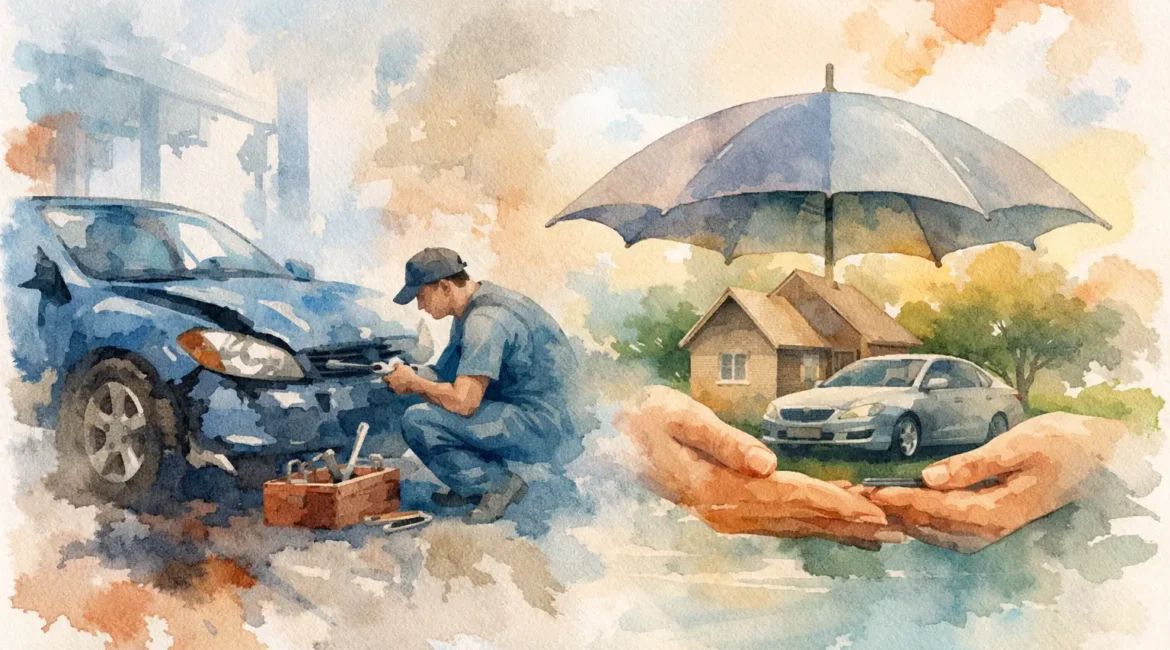
The damage might look minor, but the decision behind it often is not. After a bump, scrape or dent, one of the first questions drivers ask is whether to choose a private repair or insurance claim. Get that call right and you can save money, protect your no-claims bonus and get your vehicle back to its best without more hassle than necessary.
Private repair or insurance claim – what is the difference?
A private repair means you pay for the work yourself rather than going through your insurer. That can be the better option when the damage is light, the repair cost is manageable, and making a claim could push your future premiums up more than the repair itself.
An insurance claim means the repair is processed through your insurer, subject to your policy terms, your excess, and any impact on your no-claims discount. In some cases, it is clearly the right route, especially when the damage is more serious, another party is involved, or there is any chance of hidden structural issues.
The best choice depends on the damage, the cost, who was at fault, and what your policy actually covers. There is no one-size-fits-all answer, which is why drivers are often better off getting the vehicle assessed before deciding.
When a private repair makes more sense
If the damage is cosmetic and localised, a private repair can often be the cleaner, cheaper option. Small dents, bumper scuffs, paint scratches, kerbed alloys and minor panel damage are common examples. If the repair bill is lower than, or not far above, your excess, there is a good chance paying privately will make more financial sense.
That is especially true if you have built up a strong no-claims bonus and do not want to risk higher premiums at renewal. Even a relatively small claim can affect what you pay later. Insurers look at claim history, not just fault, so the long-term cost can be bigger than many people expect.
A private repair can also be quicker. You are not waiting on claim approvals, engineer instructions or insurer processes. You simply get the car inspected, agree the work, and book it in. For many drivers, that matters just as much as the price.
There is another benefit people often overlook – control. With a private repair, you are making the decisions about timing, finish and scope of work. If you care about keeping your vehicle in top condition, that flexibility can be worth a lot.
When an insurance claim is the better route
If the damage goes beyond the surface, an insurance claim is often the safer choice. Cracked panels, damaged lights, wheel alignment issues, suspension concerns, airbag deployment, or anything involving a stronger impact should be looked at properly and dealt with through the correct channel if the cost is significant.
The same applies if another vehicle, cyclist or pedestrian was involved. Once third-party liability enters the picture, trying to handle things informally can become risky very quickly. What seems straightforward at the roadside can turn into a dispute later.
You should also think carefully before paying privately if the repair cost is likely to be well above your excess, or if there is any uncertainty about hidden damage beneath the panel. Modern vehicles can take an impact that looks minor from the outside but has affected sensors, brackets, mountings or safety systems underneath.
Where the accident was not your fault, there may be no reason to fund the repair yourself at all. In non-fault cases, support is often available to recover costs from the other side, including repair management and related help. That can make an insurance-led route far more sensible than reaching for your own bank card.
The real cost question is not just the repair bill
Many drivers compare only two numbers – the quoted repair cost and their policy excess. That is understandable, but it is too narrow.
The better question is what the full cost looks like over time. If you claim, will your premium rise next year? Will your no-claims discount be affected? Will you need to declare the incident for several years even if the repair itself was small? In plenty of cases, the answer is yes.
On the other hand, paying privately for larger damage can also be false economy if the work needed is more extensive than first thought. A proper estimate matters. You want to know whether you are looking at a straightforward cosmetic repair or a job that could grow once the damaged area is stripped back and inspected.
This is why a good bodyshop does more than quote for paint and panels. It helps you understand what sits behind the visible damage and whether private payment still looks sensible once the full picture is clear.
Should you tell your insurer anyway?
This is where many drivers get caught out. Even if you choose a private repair or insurance claim later, your policy may require you to report the incident to your insurer regardless of whether you intend to claim. That is down to your individual policy wording.
If you do not notify them when required, you could create problems for yourself later. So while paying privately may help you avoid making a claim, it does not automatically mean the incident should stay entirely off the record. Check your documents or speak to your insurer if you are unsure.
That might feel frustrating, but it is better than finding out during a later claim that you failed to report an earlier accident as required.
How to decide after an accident
The smartest first step is not guessing. It is getting the vehicle inspected by a repairer who can give you an honest view of the damage and likely cost.
If the damage is clearly cosmetic and the quote is reasonable, private repair is often worth serious consideration. If the cost is high, the damage is uncertain, or another party is involved, an insurance route is usually the safer move.
It also helps to ask a few practical questions. Is the damage limited to one area? Is there a crack, crease or misalignment that suggests a stronger impact? Is your excess close to the repair cost? Would a claim put a valuable no-claims bonus at risk? Has the accident involved fault disputes or possible injury? The more of those concerns are present, the more an insurance claim starts to make sense.
Why repair quality still matters either way
Whether you pay privately or claim through insurance, the finish on the repair matters. Poor colour matching, rushed prep work or low-quality refinishing can affect how your car looks, how it holds its value and how confident you feel driving it afterwards.
That is why the decision should never be based on price alone. A cheaper repair is not better value if the finish is poor or the damage has not been properly addressed. The aim is to restore the vehicle to pre-damage condition, not just make the problem less visible from ten feet away.
For drivers around Glasgow and South Lanarkshire, convenience matters as well. Fast turnaround, clear communication and collection and drop-off can make a real difference when you are trying to keep work, school runs and daily life on track. A repair process that feels straightforward is not a luxury after an accident – it is part of good service.
Private repair or insurance claim – the right answer depends on the job
For light cosmetic damage, a private repair often gives you more control, less delay and a better chance of avoiding unnecessary insurance costs. For heavier damage, fault disputes, or anything involving safety concerns, an insurance claim is usually the right call.
The key is not to make the decision in a rush. Have the damage assessed properly, understand the likely repair cost, and weigh that against your excess, policy terms and the possible effect on future premiums. That gives you a real basis for choosing, rather than relying on guesswork.
At Unique Bodywork, that is exactly how we advise customers – plainly, honestly and based on the vehicle in front of us. Some jobs are better handled privately. Others should go through insurance from the outset. What matters is choosing the route that protects both your car and your wallet.
If your vehicle has been damaged, the next sensible move is simple: get it looked at properly before you commit, because the right repair starts with the right decision.