
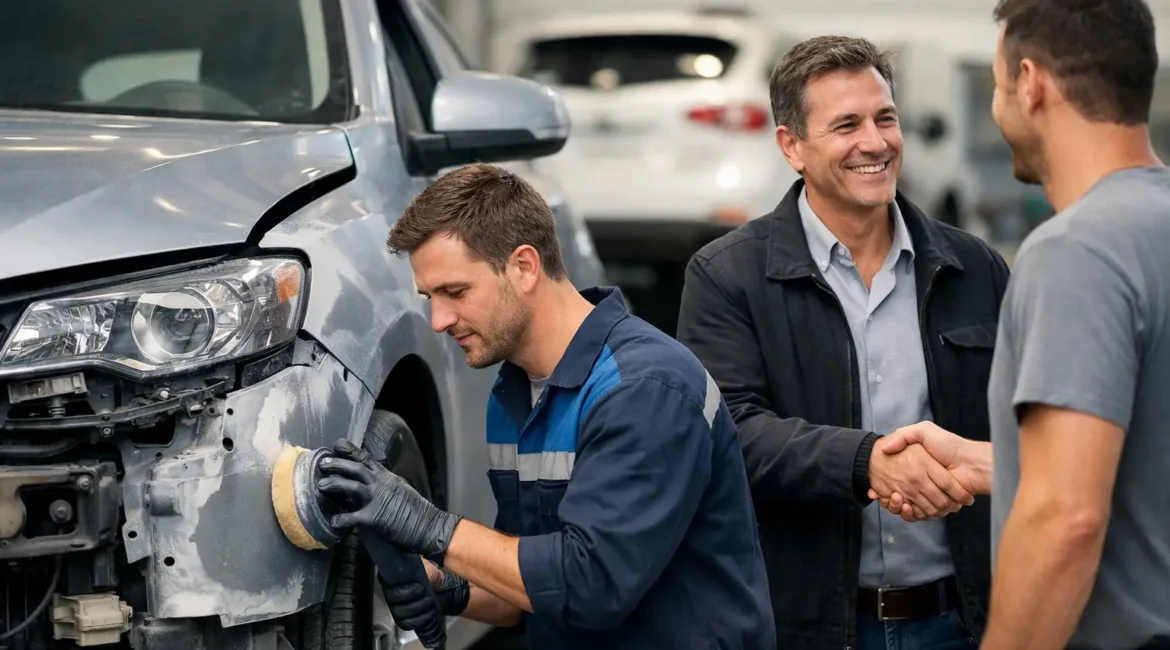
A damaged bumper or creased wing can make your car look tired, but collision repair is about far more than improving its appearance. Even a low-speed impact can affect panel alignment, lights, sensors, wheel geometry and the protective layers beneath the paint. The right repair restores the vehicle’s look, safety and value – without making the process harder than it needs to be.
For drivers across Glasgow and the surrounding areas, the priority is usually simple: get the car repaired properly, keep costs under control and get back on the road as soon as possible. That starts with understanding what a good bodyshop is looking for and why a proper assessment matters.
What collision repair should include
Collision damage is not always obvious from the outside. A scuffed bumper may only need a localised SMART repair, while a similar-looking impact could have damaged mounting points, cracked the bumper reinforcement or disturbed parking sensors. A professional inspection helps separate cosmetic damage from issues that need more involved work.
A quality repair should address the whole affected area, not simply cover what can be seen. Depending on the vehicle and the impact, this can include dent removal, panel repair or replacement, bumper repairs, alloy wheel refurbishment, paint preparation and refinishing. It may also involve checking doors, bonnets and tailgates for correct alignment, so gaps are even and everything closes as it should.
Modern vehicles add another layer to the job. Cameras, radar units, parking sensors and safety systems are often built into bumpers, mirrors and windscreens. These components must be handled carefully and, where required, checked or recalibrated after the repair. The cheapest quote is not always the best value if it leaves damage unresolved or cuts corners on preparation and finish.
The collision repair process, step by step
The first stage is a clear assessment. A bodywork specialist examines visible damage, checks surrounding panels and identifies whether parts can be repaired or should be replaced. This is also the time to discuss the practical details: how long the work is likely to take, whether an insurance claim is involved and whether collection and drop-off would make life easier.
Once the work is approved, the damaged area is stripped back and prepared correctly. Scratches, dents and distortions are repaired using the method that suits the damage. Small dents and paint scuffs can often be dealt with efficiently through SMART repair techniques. Larger damage may require more extensive panel work, replacement components or a full respray of the affected area to achieve a consistent result.
Paintwork is where experience shows. The goal is not merely to apply the correct paint code. Paint can weather differently over time, particularly on cars that have spent years outdoors. A skilled refinisher assesses the existing shade, blends colour into adjacent panels where necessary and applies clear coat for depth, protection and an even gloss. Proper preparation makes the difference between a repair that looks acceptable at collection and one that still looks right in bright daylight weeks later.
Before handover, the repair should be checked closely. Panels should sit correctly, repaired areas should be smooth, colours should match naturally and trims, lights and sensors should be secure. A clean final finish matters because it lets you see the quality of the work rather than hiding it under dust or polish.
Repair or replacement: what is the right choice?
Many customers assume a damaged panel automatically needs replacing. That is not always true. If a dent has not stretched or weakened the metal excessively, careful repair can be a cost-effective option and may keep the original panel on the car. Likewise, minor bumper scuffs, cracks and abrasions can often be repaired without fitting a new bumper.
Replacement becomes the sensible route when a part is badly distorted, structurally compromised, heavily cracked or unlikely to refinish to the required standard. It can also be necessary where mounting brackets, sensor housings or safety-related components have been damaged. The best decision depends on the extent of the impact, the vehicle’s age and value, parts availability and whether the work is being paid for privately or through an insurer.
There is no benefit in recommending more work than a car needs. Equally, a very cheap cosmetic fix can be poor value if it fails early or leaves an obvious mismatch. A good bodyshop will explain the options in plain language, set out why one approach is recommended and give you a realistic expectation of the finished result.
What affects collision repair costs and timescales?
The size of the damaged area is only one part of the price. The number of panels involved, the type of paint, hidden damage, parts required and vehicle technology can all affect the final cost. A small repair on a solid-colour bumper may be completed quickly, while damage across a wing, door and sill can require more preparation, blending and curing time.
Parts availability can also influence how long the car is off the road. Genuine parts may be the correct choice for fit and quality in some cases, while approved alternatives can be worth considering where appropriate. Your repairer should be straightforward about the options rather than promising an unrealistic completion date.
For minor cosmetic damage, same-day repair may be possible. More substantial collision work needs the time required to do it properly. Fast turnaround is valuable, but it should never come at the expense of paint quality, safe fitting or a thorough final inspection.
Using insurance after an accident
If another driver was at fault, you may be able to make a non-fault claim rather than paying for the repair yourself. The process can feel daunting when you are dealing with insurers, accident details and the inconvenience of being without your car. Keep photographs of the damage, exchange details at the scene and report the incident promptly.
You are entitled to ask questions before agreeing to any repair route. Find out what work has been authorised, whether there is an excess to pay, how replacement parts will be sourced and whether a courtesy vehicle is available through your claim arrangement. For non-fault accidents, specialist support can help you understand the options and keep the process moving.
Private repair can sometimes be worth considering for minor damage, particularly where the cost is lower than your excess or you want to avoid affecting a no-claims discount. It depends on your policy and circumstances, so it is sensible to compare the likely repair cost with the implications of claiming before making a decision.
Why workmanship protects your car’s value
A poor repair is often easy to spot once the light catches it. Uneven paint texture, overspray on trims, mismatched colour, rough edges and inconsistent panel gaps all reduce the appearance of a vehicle. They can also create questions for a future buyer who notices that previous damage has not been repaired to a high standard.
Well-executed collision repair helps protect resale value by returning the car to its pre-damage condition as closely as possible. It also gives you confidence every time you walk back to it. That is particularly important with leased vehicles, newer cars and vehicles you plan to sell or part-exchange in the near future.
At Unique Bodywork, every repair is approached with that outcome in mind: practical advice, experienced craftsmanship and a finish that looks right from every angle. Whether it is a small parking scrape, a damaged alloy or more serious accident damage, the aim is to remove the hassle as well as the marks.
If your car has been damaged, do not judge the job by the first scuff you can see. Arrange an assessment, ask what is involved and choose a repairer who will treat your vehicle as something worth putting right properly.