
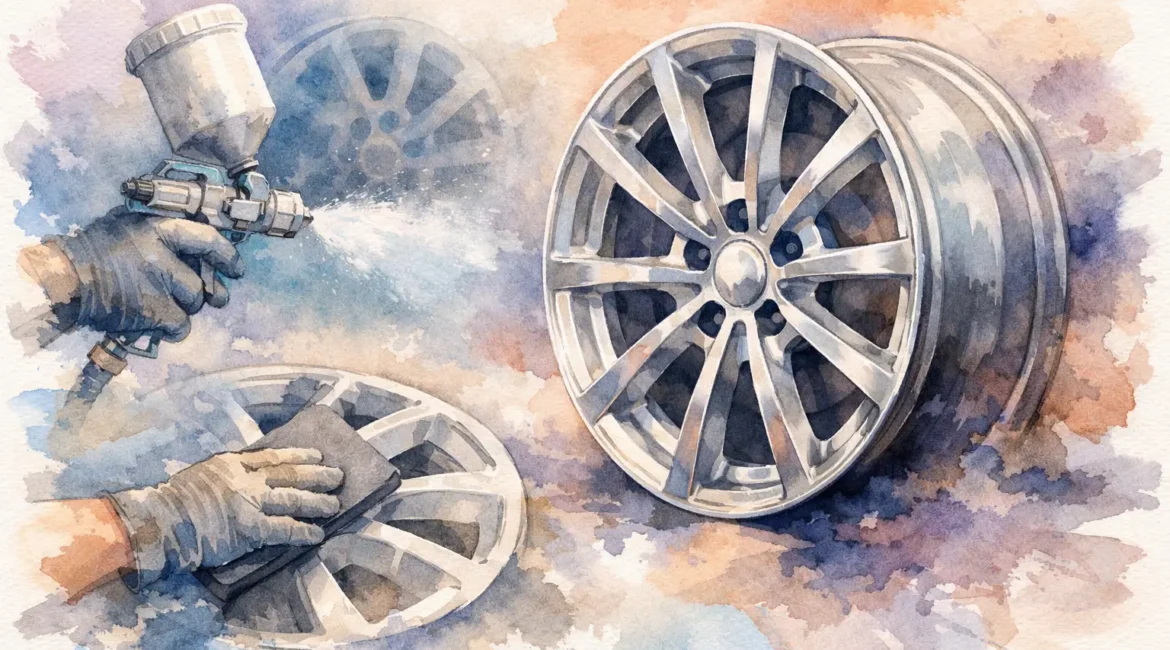
Kerbed a wheel while parking, spotted bubbling lacquer, or noticed brake dust has left the finish looking tired? If you are wondering how alloy wheel refurbishment works, the short answer is that a specialist strips back the damage, repairs the surface, reapplies the finish, and seals the wheel so it looks right again. The exact process depends on the type of damage, the wheel finish, and whether the wheel is structurally sound enough to repair.
For most drivers, alloy refurbishment is less about the technical detail and more about three things – appearance, safety, and cost. A scruffy wheel can drag down the whole look of the car, even if the bodywork is spotless. Just as importantly, some damage is purely cosmetic, while some needs a proper inspection before anyone should promise a repair.
What alloy wheel refurbishment actually means
Alloy wheel refurbishment is the process of restoring a damaged or worn alloy wheel as close as possible to its original condition. That can include fixing kerb marks, corrosion, flaking paint, chips, scratches, and dull finishes. In some cases it can also involve straightening a bent wheel or dealing with minor edge damage, but not every wheel should be repaired.
That is the first thing worth being clear about. Refurbishment is not a magic wand. If a wheel has serious cracks, major structural damage, or previous poor-quality repairs, replacement may be the safer and more sensible option. A reputable repairer will tell you that upfront.
How alloy wheel refurbishment works step by step
The process usually starts with inspection. Before any sanding, painting, or machining happens, the wheel needs to be checked for the type and extent of the damage. Cosmetic scuffs on the rim edge are one thing. Buckles, cracks, air leaks, and corrosion around the bead seat are another.
If the wheel is suitable for repair, the tyre may need to be removed depending on the method and finish required. A proper refurbishment is more than touching in the visible marks at the front. The wheel needs to be prepared thoroughly so the new finish bonds correctly and lasts.
Cleaning and stripping back the old finish
The wheel is cleaned to remove brake dust, road grime, old sealants, and contaminants. This matters more than most people realise. If dirt or corrosion is left behind, the final finish can fail early, blister, or look uneven.
Once clean, the damaged coating is stripped back. Depending on the wheel and the refurbishment method, this can involve sanding, blasting, or chemical stripping. The aim is to remove failed paint, lacquer, and corrosion so the technician is working from a sound surface rather than trying to cover up the problem.
Repairing the damage
After stripping, any cosmetic damage is dealt with. Kerb damage is usually smoothed out by sanding and filling where appropriate, then shaped so the profile of the wheel looks correct again. If the wheel has a small flat spot or minor buckle, specialist straightening equipment may be used, but only where repair is safe and within acceptable limits.
This is where experience matters. Too much material removal can weaken the wheel or leave the edge misshapen. Too little preparation can mean the damage still shows through the fresh finish. Good refurbishment is about restoring the look without cutting corners.
Priming, painting, and finishing
Once the surface is repaired and prepared, primer is applied to create a smooth base and promote adhesion. After that, the colour coat goes on. For standard painted alloys, this may be a silver, grey, black, anthracite, or another matched finish. Finally, lacquer is applied to protect the wheel and add gloss or satin sheen depending on the original look.
The wheel then needs curing time so the coating hardens properly. Rushing this stage can affect durability, so while same-day alloy repairs are possible in some situations, the right turnaround depends on the finish and the damage involved.
Different wheel finishes need different methods
Not all alloy wheels are refurbished in the same way. A standard painted wheel is usually the most straightforward. These are commonly repaired, primed, painted, and lacquered with a uniform finish across the whole face.
Diamond cut wheels are more involved. These have a painted base with the front face machined on a lathe to create a bright metallic finish, then lacquered over the top. They can look excellent when done properly, but there is a trade-off. Because material is removed during the machining process, the wheel can only be cut a limited number of times in its life. If corrosion has spread deeply or the wheel has already been recut before, a painted finish may be the better long-term option.
Powder coating is another route used on some wheels. It is durable and can give a very even finish, but it is not the right choice for every wheel design or every factory finish. What suits one set of wheels may not suit another, which is why a proper assessment matters before work starts.
How long does alloy wheel refurbishment take?
It depends on the damage and the finish. A minor cosmetic repair can sometimes be completed quickly, especially if it is a localised SMART-style repair. A full refurbishment, particularly with tyre removal, corrosion treatment, or diamond cutting, usually takes longer.
If you use your car daily for work, school runs, or commuting, turnaround matters. That is why many customers want a repairer who can give a realistic timescale rather than a vague promise. Fast service is useful, but only if the finish holds up once the car is back on the road.
When refurbishment is worth it
Refurbishment is usually worth doing when the damage is cosmetic, the wheel is otherwise sound, and you want the car looking right again without the cost of replacement. It can make a real difference before selling a vehicle, returning a lease car, or simply keeping your car in better condition.
It also makes sense if corrosion has started around the lacquer or the wheels have become stained and tired over time. Left too long, what starts as minor cosmetic wear can become harder to repair neatly.
That said, if a budget wheel has severe structural damage, paying for an extensive repair may not stack up financially. A trustworthy bodyshop will explain whether repair is cost-effective or whether you are better replacing the wheel and avoiding repeat problems.
What makes a good alloy refurbishment last?
Preparation is the biggest factor. A wheel that is properly cleaned, stripped, repaired, primed, painted, and cured will usually outlast a rushed cosmetic touch-up. The quality of materials matters as well, but prep is what separates a finish that lasts from one that starts failing after a few months.
Aftercare helps too. Harsh acidic wheel cleaners, repeated kerb contact, and neglected brake dust build-up can all shorten the life of the finish. Gentle cleaning and regular washing go a long way.
The other part is honest repair advice. Not every damaged wheel should be refurbished, and not every finish is practical for every driver. If you want the sharpest look possible for a prestige car, you may choose a more exacting finish that needs a bit more care. If you want durability for everyday use on rough roads around Glasgow and South Lanarkshire, a painted finish may prove the more sensible option.
How alloy wheel refurbishment works in the real world
For most customers, the process is simpler than it sounds. You bring the car in, the wheels are assessed, the repair method is explained, and you get a clear idea of price and turnaround before work begins. That matters, especially if you are already juggling work, family, or insurance-related repairs and just want the job handled properly.
At a professional repairer, the goal is not only to improve the look of the wheel but to restore confidence in the overall condition of the car. A clean, well-finished set of alloys can make the whole vehicle look newer and better cared for, particularly when paired with tidy paintwork and scratch-free body panels.
If you are dealing with scuffed, corroded, or tired wheels, refurbishment is often the practical middle ground between living with the damage and paying for brand-new replacements. The right repair will not pretend damage never happened if the wheel is beyond saving, but when the wheel is suitable, it can restore the finish to a standard that looks smart, lasts well, and feels worth the money.
If your wheels are letting the rest of the car down, getting them checked sooner rather than later usually gives you more repair options and a better final result.