
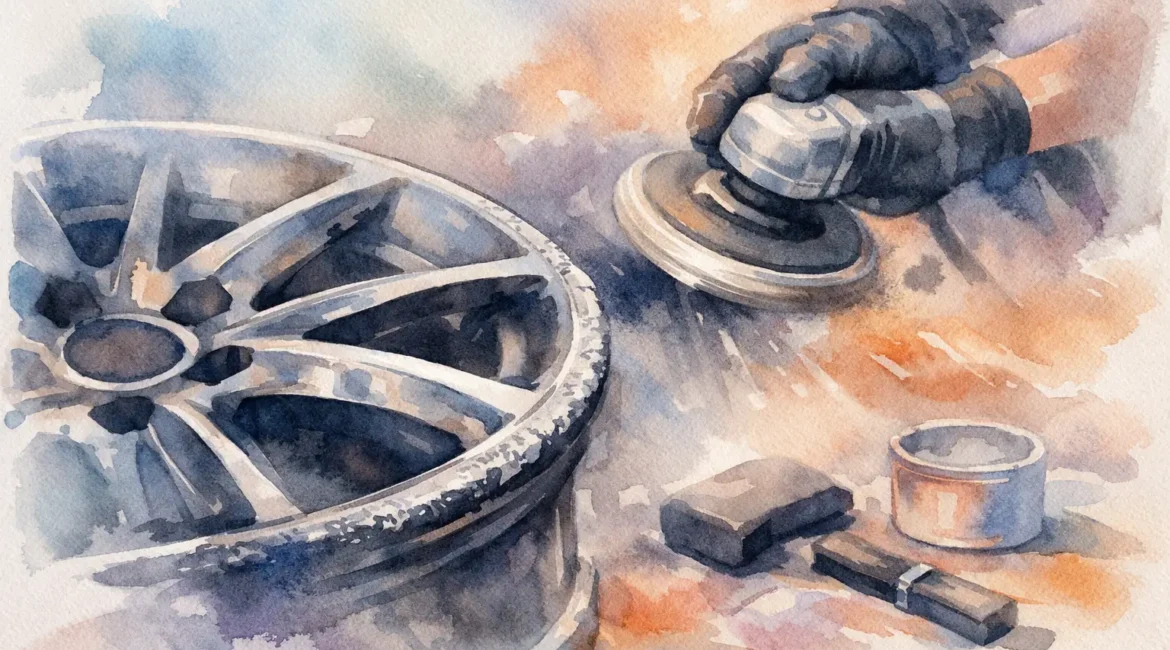
A close encounter with a kerb can leave a wheel looking far worse than the impact felt from the driver’s seat. The good news is that can kerbed alloy wheels be repaired? In most cases, yes. Scuffs, scratches and light gouges around the rim edge can usually be professionally refurbished to a very high standard, restoring the appearance of the wheel and helping protect your vehicle’s value.
The key is knowing the difference between cosmetic kerb damage and damage that may affect the wheel’s strength, shape or safety. A proper inspection gives you a clear answer before any work starts.
Can Kerbed Alloy Wheels Be Repaired Without Replacing Them?
Most everyday kerb damage is cosmetic. This includes paint scrapes, loss of lacquer, shallow scratches and rough patches where the alloy has caught the pavement. These are common on cars with low-profile tyres, larger wheels or tight parking situations, and they do not automatically mean a replacement wheel is needed.
A specialist can smooth the damaged area, rebuild small sections where necessary, prepare the surface and refinish it in the correct colour and sheen. Done properly, the repaired section should blend in with the rest of the wheel rather than looking like a quick touch-up.
Refurbishment makes sense when the wheel is structurally sound and the damage is limited to the face or outer lip. It is often a more cost-conscious option than buying a new manufacturer wheel, particularly where several wheels have been marked over time.
That said, not every kerbed alloy should be repaired in the same way. The wheel’s design, finish and extent of the damage all affect the best approach.
What a Professional Alloy Wheel Repair Involves
A quality repair is about more than applying paint over a scratch. The damaged finish needs to be removed and the affected area carefully prepared so the new coating has a sound surface to bond to.
For minor kerb marks, the process normally involves cleaning the wheel, sanding away damaged lacquer and paint, smoothing the scrape, and applying primer, colour and a protective lacquer. Small gouges may need alloy filler to recreate the original rim profile before refinishing begins.
The colour match matters. Silver alloys can vary significantly between makes and models, while black, anthracite and custom finishes need the right depth and gloss level to avoid an obvious mismatch. A wheel may also have a diamond-cut face, where the bright machined metal surface is protected by lacquer. These wheels require a different repair process and must be assessed carefully before work is approved.
The result should be a clean, durable finish that looks right on the car, not simply a wheel that looks better from a distance.
Mobile touch-up or full refurbishment?
For a small, localised scuff, a SMART-style repair can be an excellent option. It focuses on the affected area, keeps costs sensible and can reduce the time your vehicle is off the road.
A full refurbishment may be the better choice when there is widespread corrosion, previous poor-quality repairs, deep damage across the rim, or a finish that cannot be blended reliably. If all four wheels are tired, refurbishing them together can give the whole vehicle a sharper, more showroom-condition appearance.
There is a trade-off. A smaller repair can be faster and less expensive, while a full refurbishment offers the opportunity to renew the entire wheel finish. An experienced repairer should explain which option is likely to give the best long-term result rather than pushing a one-size-fits-all service.
When a Kerbed Alloy Wheel Needs More Than Cosmetic Work
A kerb strike can occasionally cause damage beneath the paintwork. If the impact was hard enough to jolt the steering wheel, deflate the tyre or leave a visible bend in the rim, the wheel needs more than a cosmetic assessment.
Warning signs include vibration through the steering at speed, a tyre that repeatedly loses pressure, a crack in the alloy, damage near the spokes, or a wheel that will not balance correctly. Cracks and significant distortion can compromise the wheel’s integrity. In these situations, replacement may be the safest and most sensible option.
Do not assume a wheel is safe simply because the damage appears small. Equally, do not write it off because the kerb rash looks dramatic. A professional inspection separates surface damage from problems that need further action.
Diamond-Cut Wheels Need Particular Care
Diamond-cut alloys are popular because of their crisp, polished appearance, but they are less forgiving of kerb damage and corrosion. Their finish is created by machining a very fine layer from the wheel face, leaving exposed metal beneath a clear protective lacquer.
When that lacquer is broken by a kerb scrape, water and road salt can get underneath it. Over time, this can lead to bubbling, lifting and white corrosion around the damaged area. Glasgow roads in winter can be particularly hard on wheels for this reason.
A local repair may be possible for very light damage, but deeper marks or spreading corrosion can call for a more comprehensive refurbishment. There is also a limit to how many times a diamond-cut wheel can be machined, as material cannot be removed indefinitely. This is why an honest assessment is essential before choosing the repair method.
Should You Repair Kerb Damage Yourself?
DIY wheel repair kits are tempting, especially when the damage is minor. They can improve the look of a small scuff on an older car, but they rarely match the durability or finish of professional work. Colour matching is difficult, lacquer can react poorly if the surface has not been prepared correctly, and a rushed repair may start peeling after a few weeks of wet weather and road grime.
There is also a risk of sanding too aggressively, contaminating the braking area, or overlooking a crack or bent rim. For a car you plan to keep, sell, lease-return or take pride in, a proper repair is usually better value than having to correct a failed DIY attempt later.
If you do choose to wait before arranging a repair, keep the damaged area clean and avoid harsh acidic wheel cleaners. These can get beneath broken lacquer and accelerate corrosion around exposed alloy.
How Long Does Alloy Wheel Refurbishment Take?
The repair time depends on the type of wheel, the finish and how many alloys need attention. Minor cosmetic work can often be completed quickly, while full refurbishments and diamond-cut finishes may require more time for preparation, curing and quality checks.
It is worth asking whether the repair can be completed while you wait, whether the vehicle needs to be left with the repairer, and whether collection and drop-off are available. For busy drivers, convenience matters just as much as the finished appearance. Same-day options may be possible for suitable cosmetic repairs, but quality preparation should never be rushed just to meet a deadline.
Protecting Your Wheels After Repair
Once the alloys have been restored, regular gentle cleaning will help preserve the finish. Rinse away brake dust and winter salt regularly, use a pH-neutral wheel cleaner, and avoid dragging a stiff brush across painted or diamond-cut faces.
When parking, giving yourself a little more room from the kerb is the obvious answer, but tyre condition also matters. Correctly inflated tyres offer better protection to the rim than tyres run low on pressure. If you regularly use narrow city parking spaces, wheel protectors or a change in parking approach can prevent repeat damage.
A kerbed alloy does not have to spoil the look of an otherwise well-kept car. If the wheel is structurally sound, professional refurbishment can bring it back to a finish you will be happy to see every time you walk up to the vehicle. For drivers across Glasgow and South Lanarkshire, Unique Bodywork can inspect the damage, advise on the right repair and help get your car looking its best again.