
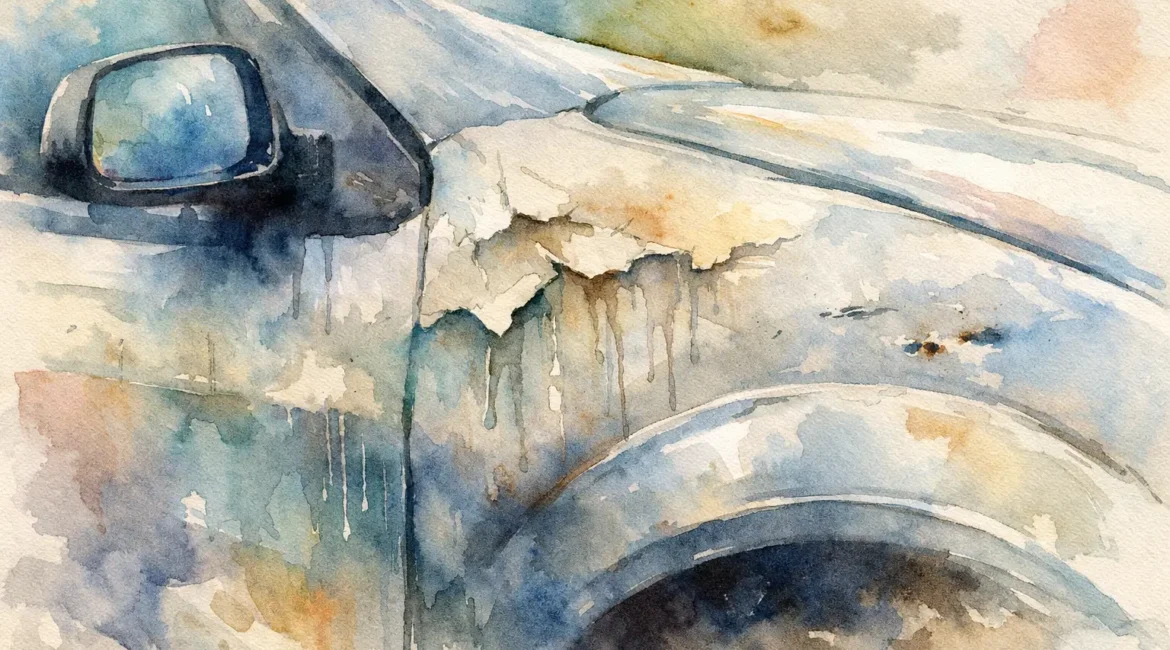
A repair can look acceptable when you collect the car, then reveal its true quality the first time it is washed, parked in direct sunlight or viewed from a different angle. Knowing the top signs of poor paintwork helps you spot a bad finish early, protect your vehicle’s value and avoid paying twice to have the same panel corrected.
Not every small mark means a repair has failed. Stone chips, road grime and light scratches happen on everyday Glasgow roads. The concern is when the paint itself has been poorly prepared, badly matched or incorrectly applied. A proper bodyshop finish should blend into the rest of the vehicle, feel smooth to the touch and stand up to normal use.
Top signs of poor paintwork after a repair
The colour does not match the surrounding panel
A colour mismatch is one of the clearest warning signs. It may be obvious straight away, with a repaired door looking lighter, darker, warmer or duller than the wing beside it. In other cases, it only shows up in sunlight, under petrol station lighting or on an overcast day.
Modern vehicle colours are more complicated than they appear. Metallic, pearlescent and tinted finishes can look different depending on the angle and light. A skilled refinisher does not simply rely on the paint code. They assess the existing paint, create test cards where needed and blend colour carefully into adjoining panels.
There can be a slight difference on an older car where the original paint has faded over many years, particularly on a red, black or solid-colour vehicle kept outdoors. Even then, it should not look like a replacement panel has been bolted on. A noticeable contrast needs attention.
The surface feels rough, gritty or uneven
Run your clean hand lightly across the repaired area. Good paintwork should feel consistently smooth once fully cured. If it feels like fine sandpaper, there may be dust nibs, overspray or contamination trapped in the finish.
A few tiny imperfections can sometimes be carefully polished out without repainting. However, a generally rough surface suggests the panel was not properly cleaned, masked or finished. Overspray is especially frustrating because it can settle on glass, trims, door shuts and neighbouring panels, leaving areas that should never have been painted feeling rough too.
You can see runs, drips or sagging paint
Paint runs happen when too much material is applied or it is not allowed to flash off correctly between coats. They often look like small raised trails, droplet shapes or thick patches running down a vertical panel.
This is not normal wear and tear. It is an application fault. Minor runs may be flattened and polished by an experienced technician, but deeper ones can require the panel to be refinished. Trying to rub them down at home can cut through the clear coat and leave a much larger repair behind.
Orange peel is excessive
Most factory paint has a small amount of texture, often called orange peel because it resembles orange skin. The aim after a repair is not always to make one panel flatter than every other panel. It is to achieve a consistent finish that matches the vehicle.
The problem comes when the repaired area has much heavier texture than the rest of the car. From a few steps away, reflections may look distorted or wavy rather than crisp. Excessive orange peel can result from poor gun setup, incorrect paint viscosity, unsuitable spraying conditions or rushed polishing.
Edges, masking lines and panel gaps look untidy
Look closely around handles, lights, badges, wheel arches, rubber seals and panel edges. Hard paint lines, visible tape marks, paint on rubbers or colour sitting awkwardly inside a shut are signs the job has not been completed with proper care.
A professional repair involves more than applying colour to the damaged spot. Parts may need to be removed, protected correctly or refitted so the finish looks natural. Paint should not be left bridging panel gaps, flaking off trims or covering areas that should remain black, chrome or unpainted.
Problems that can appear weeks later
Some poor paintwork is obvious on collection day. Other faults only emerge after rain, frost, sunshine and regular washing have tested the finish.
Peeling, blistering or bubbling
Paint that lifts from the panel, develops bubbles or starts peeling is a serious concern. It usually points to a preparation issue, such as moisture, corrosion, silicone contamination or poor adhesion between layers.
Do not ignore a small blister, particularly around wheel arches, sills, bonnet edges and previous repair areas. Water can work beneath the paint and allow corrosion to spread, turning what could have been a local refinishing correction into a more involved body repair.
Cracking and crazing in the finish
Fine cracks in a newly painted area can look like a spider’s web or dry mud. They may be caused by incompatible materials, too much paint applied too quickly, movement in a poorly repaired panel or incorrect curing.
Cracks rarely improve on their own. Wax or polish may make them less visible temporarily, but it will not address the failed layers underneath. The affected area needs to be inspected properly to establish whether the issue is limited to the lacquer or runs deeper into the primer and repair work.
Sinkage around filler or repair lines
A panel can look flat immediately after painting, then show shallow depressions or outlines as the materials beneath settle. In certain light, you may see the shape of an old dent, filler edge or sanding marks returning through the paint.
This usually means the repair was rushed before the filler, primer or paint system had properly cured. It is particularly noticeable on bonnets, doors and rear quarters where reflections are easy to see. A durable repair should remain level, not reveal its history a few months later.
Rust returning around the repaired area
Rust does not always mean the paintshop caused the original corrosion. If a panel was already badly rusted, a longer-lasting repair may require cutting out damaged metal rather than treating the surface alone. The right solution depends on the condition of the vehicle and the agreed scope of work.
But if rust returns quickly through a fresh repair, it is reasonable to question whether the corrosion was fully removed and protected. Paint is the final barrier, not a substitute for sound metal preparation.
How to inspect a paint repair properly
Do not judge a repair only under indoor workshop lights. Walk around the car outside in daylight where possible, looking along the side of each panel rather than only straight at it. Reflections will expose unevenness, colour variation and poor blending far more easily.
Check the repaired panel when it is clean and dry. Look at the colour from several angles, feel for roughness, inspect nearby trims and make sure doors, bonnets and tailgates still open and close correctly. If work was carried out near a wheel, check the alloy, tyre and arch liner for accidental overspray or damage.
It is also sensible to ask what aftercare is recommended. Fresh paint needs time to cure, so avoid aggressive washing, harsh chemicals and polishing for the period advised by the repairer. That does not excuse defects, but it does help a sound finish reach its full durability.
What to do if you spot poor paintwork
Raise the issue as soon as possible and take clear photographs in daylight. Explain exactly what you have noticed, whether it is a colour mismatch, rough lacquer, peeling edge or visible run. A reputable repairer should inspect the vehicle and discuss the appropriate remedy rather than dismissing a genuine concern.
Avoid using cutting compound, touch-up paint or DIY sanding before the inspection. These can alter the evidence and make a straightforward correction more difficult. If the repair was part of an insurance claim, keep copies of the invoice, job details and any communication about the work.
For drivers who want a finish that looks right from every angle, Unique Bodywork provides careful body repair and refinishing with the convenience of collection and drop-off across the Glasgow area. The best time to challenge doubtful paintwork is before a small cosmetic flaw becomes a larger problem underneath the surface.