
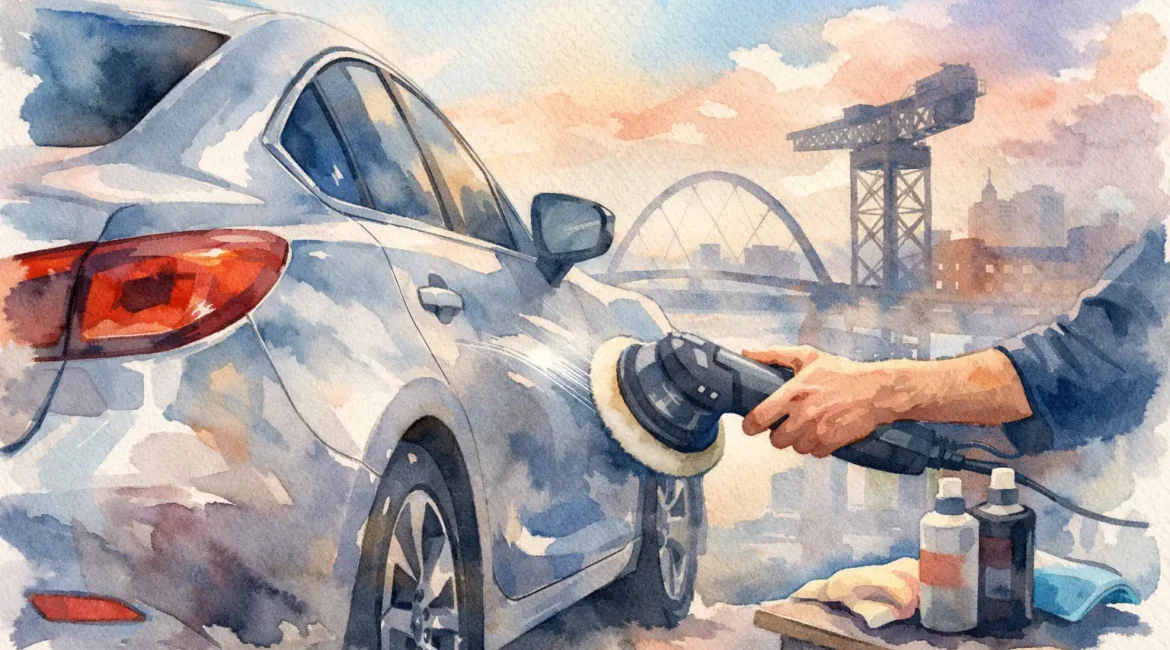
That scrape down the side of the door may have happened in seconds, but it can make an otherwise well-kept car look tired every time you walk towards it. Professional car scratch repair Glasgow drivers can rely on is not just about covering a mark. It is about matching the paint properly, protecting the panel beneath and restoring the finish so the repair does not stand out in sunlight, rain or under car park lighting.
A scratch can be anything from a light scuff caused by a trolley to damage that has cut through the paint and exposed metal or plastic. The right repair depends on the depth, location and size of the damage. Getting it assessed early is often the simplest and most cost-effective way to stop a small cosmetic issue becoming a larger paintwork or corrosion problem.
What kind of scratch does your car have?
The first question is whether the mark is actually through the paint. Light marks can sometimes be transferred paint, road grime or surface scuffing sitting on top of the clear coat. These may improve significantly with careful machine polishing. A proper inspection matters, though. Aggressive DIY polishing can thin the clear coat and leave a dull patch around the original damage.
A scratch that catches your fingernail is more likely to need paintwork. If the colour coat is damaged but the primer remains intact, a localised repair may be enough. Once primer, bare metal or plastic is visible, the panel needs more attention to make sure it is sealed correctly before refinishing.
Common damage that should be checked by a bodywork specialist includes:
- Key scratches and deliberate vandalism marks
- Car park scuffs on doors, bumpers and wheel arches
- Stone chips on bonnets, wings and front bumpers
- Scrapes from kerbs, gates, walls or narrow driveways
- Paint damage after a minor bump or accident
Not every scratch needs a full panel respray. Equally, a quick touch-up is not always the right answer. A visible repair around a door edge or bumper corner can affect the look and value of the car just as much as the original scratch.
Car scratch repair Glasgow drivers can choose with confidence
A good repair starts with preparation, not paint. The damaged area is cleaned, assessed and sanded back carefully. Where required, the surface is filled and shaped, then primed to create a sound base. The paint is matched to your vehicle’s exact shade and blended into the surrounding area where necessary, before clear coat is applied and the finish is polished.
That process is why a professional repair can look natural rather than like a coloured patch on the panel. Modern vehicle colours are rarely as simple as they appear. Metallic, pearlescent and tri-coat finishes can change dramatically depending on the angle, light and condition of the original paintwork. An experienced refinisher accounts for this rather than relying on a one-size-fits-all paint pen.
For many scuffs and small scratches, a SMART repair can be the sensible option. This concentrates work on the damaged section rather than refinishing more of the car than necessary. It can reduce cost and turnaround time while still producing a high-quality result. It works best where the damage is localised and the panel has not been badly creased, distorted or corroded.
Larger damage, several scratches across the same panel, or a scratch close to a sharp body line may call for a wider repair or a full panel respray. This costs more than a small local repair, but it gives the technician the room needed to blend the colour properly and achieve an even finish. The honest answer is that it depends on the damage – and a bodyshop should explain why it is recommending one option over another.
Why leaving a deep scratch can cost more later
Bumpers are commonly plastic, so a scratch there is usually an appearance issue unless there is cracking or distortion. On metal panels, however, exposed areas can allow moisture to reach the surface beneath the paint. Glasgow weather is not kind to unprotected bodywork. Rain, road salt and regular temperature changes can turn a small chip on a wing, sill or door into bubbling paint and corrosion.
There is also the resale question. Buyers notice cosmetic damage quickly, particularly on well-presented cars. A small scratch might not lower a valuation pound for pound, but a collection of visible marks gives the impression that the vehicle has not been cared for. Having paintwork repaired before selling, returning a lease vehicle or trading in can help the car present at its best.
Can you repair a scratch yourself?
DIY kits have their place. A touch-up pen can help protect a tiny stone chip until it can be dealt with properly, and a gentle cleaner may remove superficial paint transfer. For an older runaround where appearance is less of a concern, that may be enough.
The trade-off is finish quality. Most home repairs struggle with colour matching, flatness and blending. Paint applied too heavily can leave a raised mark. Sanding without the right tools can leave visible scratches in the surrounding lacquer, while aerosol paint can create overspray and an uneven sheen. On newer cars, prestige vehicles and anything you intend to sell soon, a poor DIY attempt often takes longer to correct than the original scratch.
If you are unsure, take a few clear photographs in daylight and arrange an assessment. A professional can tell you whether the damage can be polished, repaired locally or needs a more comprehensive repaint. That gives you a realistic idea of cost and avoids paying for work the vehicle does not need.
What to expect from a professional repair
Convenience matters when your car is needed for commuting, school runs or work. For suitable minor repairs, same-day service may be possible. More involved paintwork can take longer because correct preparation, curing and finishing should not be rushed simply to get the vehicle back out of the door.
Before work begins, ask what area will be repaired, whether paint will be blended into adjacent panels and how long the vehicle will be off the road. If the scratch came from an accident rather than everyday wear, it is also worth discussing whether an insurance or non-fault claim is appropriate. You do not have to manage the process alone when another driver was responsible.
At Unique Bodywork, the focus is on restoring damaged paintwork to a clean, showroom-standard finish while keeping the process straightforward. Collection and drop-off can make a real difference for customers across Glasgow and the surrounding area, particularly when a damaged car is awkward to leave at a bodyshop during the working week.
Protect the repair once it is complete
Fresh paint needs time to settle. Follow the bodyshop’s advice on washing and avoid harsh chemicals or abrasive cleaning products until the repaired area has fully cured. Regular washing afterwards helps remove road salt and grime, while sensible parking and careful use of tight spaces can prevent the familiar bumper-corner and door-edge marks from returning.
A scratch does not need to become part of your car’s character. Whether it is a light car park scuff or paint damage that has reached the metal, the right repair brings back the finish you were proud to drive away with.