
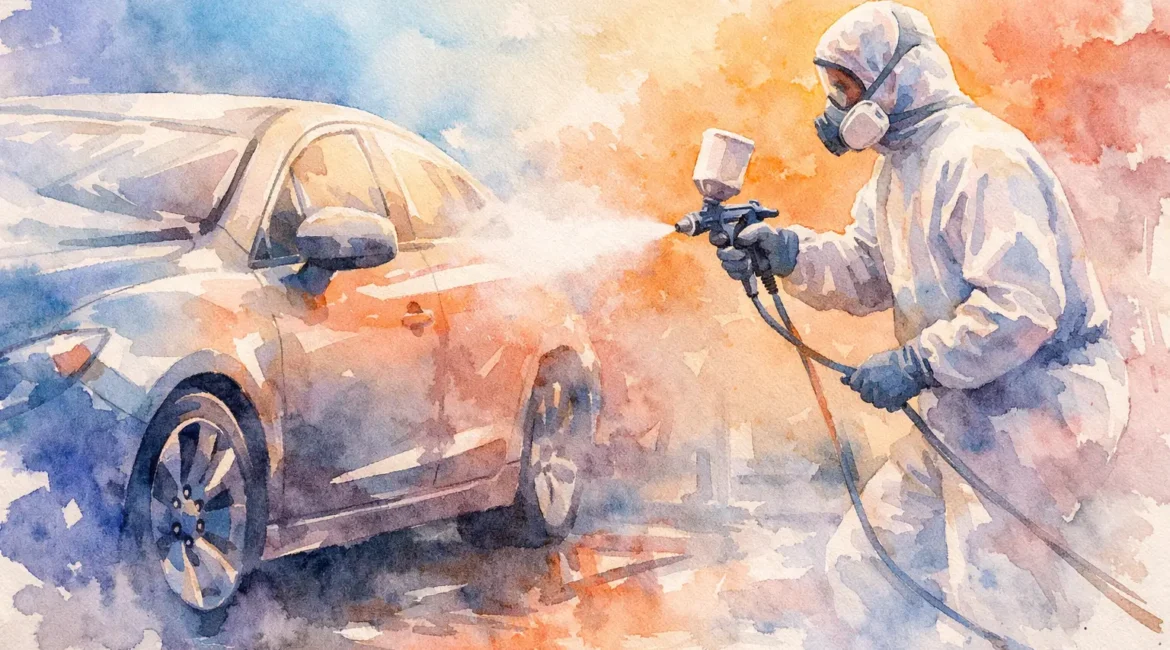
A faded bonnet, peeling lacquer on the roof, stone chips across the front end, mismatched panels after older repairs – this is usually the point where smart touch-ins stop making sense. A full car respray guide helps you understand when a complete repaint is the better option, what the process involves, and how to avoid paying for a finish that looks good for five minutes and poor six months later.
For most drivers, a full respray is not just about making a car look newer. It can protect the bodywork, tidy up years of wear, improve resale appeal, and restore pride in the vehicle. If you rely on your car every day, you want straight answers on cost, downtime and quality. That matters more than paint jargon.
When a full respray is worth it
A full respray is usually the right call when the paint has deteriorated across multiple panels rather than in one localised area. Common examples include widespread lacquer peel, heavy sun fade, poor previous paintwork, age-related dullness, or a vehicle that has had several separate repairs and now looks uneven from panel to panel.
It also makes sense when you want a complete colour change or when a car has enough cosmetic damage that spot repairs would leave you chasing one panel after another. In those cases, a proper respray can work out better value over time because the finish is consistent across the whole car.
That said, it depends on the vehicle. If the damage is limited to a bumper, wing or door, a targeted repair is often the smarter option. A good bodyshop should tell you when a full respray is unnecessary rather than pushing the biggest job.
What a proper full car respray guide should cover
The biggest mistake customers make is assuming all resprays are basically the same. They are not. The final result comes down to preparation, materials, environment and skill. Paint is only one part of it. The work underneath is what decides whether the finish stays sharp.
A proper full respray starts with inspection. The bodyshop needs to assess dents, scratches, corrosion, previous filler work, paint reactions and any panels that may need more than cosmetic attention. If that stage is rushed, problems get painted over instead of repaired.
Next comes stripping back what needs to be stripped, sanding the existing finish, repairing damage, priming surfaces properly and masking with care. Then the colour and clear coat are applied in controlled conditions. After curing, the finish may need flatting and polishing to remove minor imperfections and bring out the gloss.
Every one of those steps affects the end result. If a quote seems unusually cheap, it is often because time is being cut from the prep stage.
Prep work is where quality is won or lost
Customers often focus on the final shine because that is the part they can see straight away. In reality, prep is everything. A car can leave the workshop looking glossy, but if the surface underneath was not prepared correctly, defects show up later as sinkage, peeling, blistering or visible sanding marks.
Good preparation means dealing with dents and scratches properly, removing corrosion rather than skimming over it, and making sure panel edges, shuts and awkward areas are handled with the same care as the easy-to-reach sections. It also means using the correct primers and allowing proper drying time between stages.
This is why turnaround time varies. A rushed respray may sound convenient, but speed only helps if the standards stay high. The right shop will be honest about what can be done quickly and what needs more time to get right.
Full respray costs – what affects the price
There is no single price that fits every car. Size matters, of course, but condition matters more. A tidy hatchback needing a straight repaint is very different from a larger vehicle with dents, lacquer peel and previous poor repairs.
The main factors are the amount of prep required, whether any body repairs are needed, the paint type, the level of dismantling involved and whether you are keeping the original colour or changing it completely. Colour changes usually take more labour because more areas need to be refinished for a proper, uniform result.
A cheaper quote can be tempting, especially if you are already paying for other vehicle costs. But low-cost paintwork often means minimal strip-down, limited correction work and lower-grade materials. That can leave you with overspray, rough edges, poor colour match, thin lacquer or paint that fades too quickly.
The better way to judge value is to ask what is included. Are trims and fittings removed where needed? Is corrosion being treated properly? Will the finish be machine polished? Is the work being done in suitable spray conditions? Those questions matter more than the headline figure alone.
How long a full respray takes
Most drivers need to plan around work, school runs and day-to-day travel, so downtime matters. A full respray is not usually a one-day job. Even when the spraying itself is relatively quick, the preparation, curing and finishing stages take time.
For a straightforward job, you may be looking at several days. If the car needs more bodywork, corrosion treatment or a full colour change, it can take longer. A realistic timescale is a good sign. It shows the workshop is allowing enough time to prepare and finish the car properly rather than trying to turn it around at the expense of quality.
If convenience is important, it is worth choosing a bodyshop that can make the process easier with collection and drop-off. For busy drivers around Glasgow and South Lanarkshire, that can remove a lot of the hassle from a larger job.
Choosing the right finish and colour
Most people booking a respray want one of two things – to restore the factory look or to give the car a cleaner, sharper appearance than it has now. If you are sticking with the original colour, the focus is usually on consistency, gloss and getting rid of years of cosmetic wear.
If you are changing colour, think practically as well as visually. A bold shade may look excellent on day one, but you also need to consider future touch-ups, insurance implications and whether you want door shuts, inner edges and other less visible areas refinished to match. A proper colour change is a bigger undertaking than repainting the outer panels in the same shade.
It is also worth being realistic about the vehicle itself. A quality respray can transform the appearance of an older car, but it will not hide poor panel fit, damaged trim or tired alloy wheels. The best result usually comes when the paintwork is treated as part of the overall condition of the vehicle, not as a magic fix for everything around it.
How to spot a bodyshop worth trusting
A good respray should look right in bright daylight, not just under workshop lighting. The finish should be even, the reflections should be clean, and the edges around trims, handles and panel lines should be tidy. You should not see dry patches, excessive orange peel, obvious masking lines or paint where it should not be.
Just as important is how the job is explained. A dependable bodyshop will talk you through what needs repaired before paint starts, what finish you can expect, and where the costs come from. Straight answers are a good sign. So is a willingness to say when a smaller repair would do the job instead.
At Unique Bodywork, that practical approach matters because most customers are not looking for a sales pitch. They want to know their car is in safe hands, the finish will last, and the job will be handled without unnecessary fuss.
Aftercare matters more than people think
Once the car has been resprayed, the first few weeks matter. Fresh paint needs time to settle fully, so it is sensible to follow any aftercare advice you are given. That may include avoiding aggressive washing methods for a short period and taking care with bird droppings, tree sap and harsh cleaning products.
Keeping the paintwork clean and protected helps preserve the finish, but it also lets you spot any issues early. A properly completed respray should hold up well, and the workshop should be clear about what to expect once the car is back on the road.
A full respray is a bigger investment than a quick cosmetic repair, but when it is done properly, the difference is obvious every time you walk up to the car. If the paint has reached the stage where patchwork fixes are no longer enough, taking the time to get the job done right will always pay off better than doing it twice.