
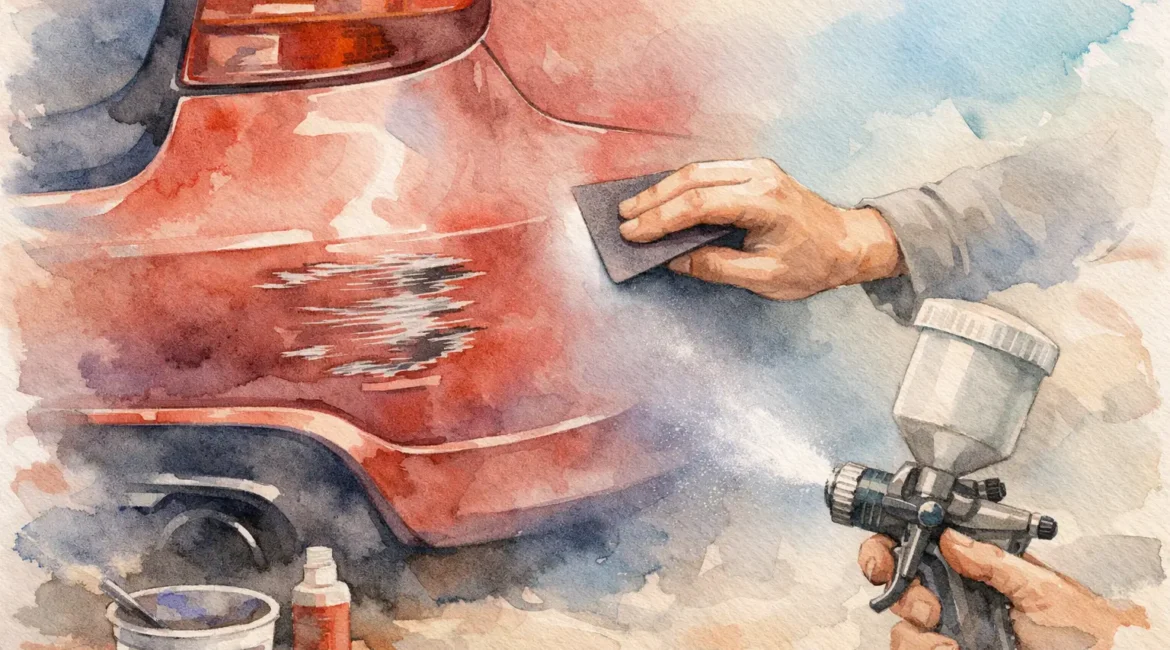
That mark on the back bumper usually happens in seconds – a tight supermarket bay, a low wall, a careless reverse. Then every time you walk up to the car, it is the first thing you see. Rear bumper scuff repair is one of the most common cosmetic jobs we deal with because bumper damage is easy to pick up and hard to ignore once it is there.
The good news is that not every scuff means a full bumper replacement or a major bodyshop bill. In many cases, the damage is localised and can be repaired cleanly, quickly and at a sensible price. The key is knowing what type of scuff you are dealing with, what a proper repair looks like, and when a cheap touch-up will only make the finish worse.
What counts as rear bumper scuff repair?
A rear bumper scuff can be anything from light paint transfer to deeper scratches that cut through the lacquer and colour coat. Sometimes the bumper itself is still structurally sound and only the surface finish has been affected. Other times, what looks minor at first glance can include cracked paint, distortion in the plastic, or damage around parking sensors and trim.
That is why rear bumper scuff repair is not one single process. It depends on the depth of the damage, the paint finish, the age of the car, and how visible the affected area is. A black bumper on a daily runabout and a pearl white bumper on a newer lease car need very different levels of correction if you want the end result to look right.
When a scuff is more than just cosmetic
A lot of drivers put off bumper repairs because the car still drives normally. That is fair enough – if the damage does not affect safety, it can feel like something to deal with later. But bumper scuffs are not always just about looks.
If the paint has broken, the damaged area can start to weather badly. The finish around it may peel or fade unevenly, especially through winter. If the bumper has been pushed in slightly, clips can loosen and panels may stop sitting as they should. On cars with sensors, cameras or trim inserts, even a low-speed knock can create issues that are not obvious until you inspect it properly.
There is also the value side of it. A scuffed rear bumper makes a car look neglected, even when the rest of it is tidy. If you are handing a vehicle back, selling it privately, or simply trying to keep it in good condition, a visible bumper scuff can cost more than the repair itself.
Can you fix a rear bumper scuff yourself?
Sometimes, yes. But it depends how honest you are about the result you want.
If the mark is only surface transfer from another object and your own paint has not been broken, careful polishing may improve it. That is the best-case scenario. Once the scuff has gone through lacquer or into the paint, DIY kits become a gamble. You might reduce how obvious the damage looks from a few steps back, but matching the finish properly is where home repairs usually fall down.
The biggest problem is not getting paint onto the damaged area. It is blending colour, recreating the correct gloss level and avoiding a patchy, overworked look. We regularly see bumpers that have been touched in with the wrong shade, rubbed down too aggressively, or covered in poor-quality lacquer that leaves a dull halo around the repair.
If the car is older and you only want it to look more presentable, a basic home fix may be enough for you. If you want the repair to disappear rather than just look better than before, it is worth having it done properly.
How professional rear bumper scuff repair works
A proper repair starts with assessment, not guesswork. The bumper needs to be checked for depth of damage, paint condition, movement in the plastic and any hidden issues around edges, trims and sensors.
From there, the damaged area is prepared carefully. That may involve cleaning away transferred paint, sanding out the scuffed section, filling if the scratch is deeper, and restoring the surface so it is smooth and stable before primer and colour go anywhere near it. This stage matters more than most people realise. Good paintwork starts long before the paint is sprayed.
Once the surface is ready, the repair is refinished to match the surrounding panel as closely as possible. On modern cars, that includes accounting for metallic, pearl and specialist finishes that can shift under different light. The goal is not simply to cover the damage. It is to restore the bumper so the repair does not jump out at you every time the light hits it.
On many jobs, a SMART repair is the most sensible option. This keeps the work focused on the damaged area rather than repainting more of the car than necessary. It can save time and money while still giving a high-quality result, provided the damage is suitable for that type of repair.
When a SMART repair works well
SMART repair is ideal for many bumper scuffs because bumpers are designed to take everyday knocks and cosmetic damage is often local rather than widespread. If the scuff is limited to one section, the plastic is intact, and there is no major split or severe distortion, a localised repair is often the best route.
That said, it is not the answer to every bumper problem. If the damage runs across awkward body lines, wraps around corners, or sits in a place where a local repair would be too visible, a larger refinishing job may give the better result. The right repair is the one that balances finish, durability and cost – not simply the cheapest option on paper.
How long does rear bumper scuff repair take?
For straightforward cosmetic scuffs, turnaround can often be fast, especially when the damage is suitable for a same-day repair. That is one reason drivers tend to get this work sorted sooner than they first planned. It is not always the drawn-out process people expect.
More involved jobs take longer. If the bumper has deeper gouges, cracked paint, broken clips or sensor issues, extra time may be needed to repair and refinish everything properly. Paint curing, colour matching and final quality checks also matter. A quick job only has value if the finish holds up once the car is back on the road.
For busy drivers around Glasgow and the surrounding areas, convenience matters just as much as repair quality. Collection and drop-off, clear booking times and realistic turnaround estimates make a big difference when you are trying to fit bodywork around work, school runs or everyday life.
What affects the price?
There is no honest flat answer because bumper scuffs vary a lot. A light surface scrape is very different from a deep scuff on a textured or specialist-painted bumper. The size of the damage, paint type, bumper shape and whether any trim or sensor parts are involved will all affect the final cost.
The cheapest quote is not always the best value. If corners are cut on prep, paint quality or finishing, the repair may stand out straight away or start failing early. A proper job should be priced around what is needed to restore the bumper to a clean, lasting standard. That is especially important on newer cars where a poor paint match can drag down the whole look of the vehicle.
Choosing the right repairer
You do not need a lecture in paint chemistry. You need a repairer who can look at the damage, explain your options clearly and tell you what will genuinely work.
A good bodyshop will be upfront about whether the scuff can be locally repaired, whether the bumper needs more extensive refinishing, and what kind of finish you can expect. They should also understand that most customers are balancing appearance, cost and convenience. That practical approach matters.
For drivers who want the car back to pre-damage condition without hassle, experience counts. So does pride in workmanship. A rear bumper sits at eye level for anyone following behind, so poor blending, rough texture or mismatched paint is easy to spot. The repair needs to look right in daylight, not just when it leaves the unit.
At Unique Bodywork, that is exactly how we approach it – straightforward advice, quality refinishing and a result that puts the damage behind you rather than merely hiding it.
Is it worth repairing before selling or returning a car?
In many cases, yes. A rear bumper scuff is one of those defects that makes a car look worth less than it really is. Buyers notice it quickly, and lease inspections certainly do. Even if the rest of the vehicle is clean, visible bumper damage creates the impression that the car has not been cared for properly.
A tidy, professional repair can help protect resale value and avoid deductions that feel out of proportion to the original damage. It is one of the more sensible cosmetic jobs to sort before sale because the improvement is immediate and visible.
If your rear bumper has picked up a scrape, the best next step is simple – get it looked at before the damage gets older, dirtier and harder to put right. A proper repair can be quicker and more affordable than most drivers expect, and it makes a real difference every time you see the car.