
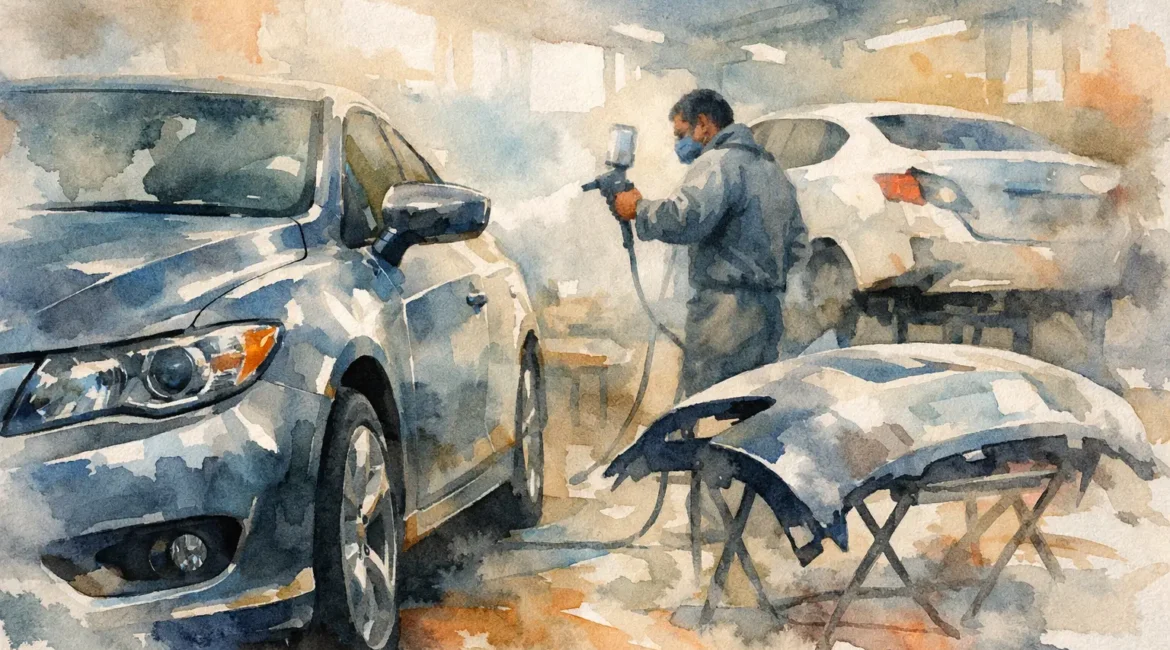
A scraped bumper in a supermarket car park, a dent picked up on the school run or paint damage after a minor collision can make an otherwise reliable car look tired overnight. Vehicle bodywork Rutherglen drivers can rely on should do more than hide the damage. It should restore the appearance, protect the panel underneath and help keep the value of the vehicle intact.
That means looking at the repair properly before deciding what is needed. Some marks can be repaired quickly with a localised technique. Others need careful panel preparation, paint matching and refinishing to make sure the repair does not stand out in daylight. The right answer depends on the damage, the age and finish of the vehicle, and the result you expect when you collect it.
What a proper bodywork repair should achieve
The best repairs are the ones you stop noticing. Paint should blend cleanly with the surrounding panels, repaired sections should feel smooth to the touch, and panel lines should sit as they should. A quick cosmetic cover-up may look acceptable at first, but poor preparation or a weak colour match often becomes obvious once the car is washed or viewed in bright sun.
Bodywork is also about protection. A deep scratch can expose metal and allow corrosion to take hold. Cracked paint around a bumper, wheel arch or door edge can worsen with road grime, rain and salt. Sorting small problems early is often more cost-effective than waiting until they spread into a larger repair.
For everyday drivers, the aim is simple: get the car back looking right without losing days to the process or being left unsure about cost. For a newer vehicle, leased car or a car you intend to sell, a professional finish can make a real difference to its presentation and value.
Vehicle bodywork in Rutherglen: matching repair to damage
There is no value in paying for a full panel repaint where a focused repair will produce the same standard. Equally, a small touch-up is not the right choice if the paint is split, the dent has stretched the panel or the damage reaches across a wide area. An experienced bodywork specialist will explain the options clearly and recommend the method that gives a lasting result.
Dents, scuffs and scratches
Car park damage is among the most common reasons people book bodywork repairs. It can range from a light scuff in the lacquer to a dent with missing paint on a door or wing. Minor paint and dent damage can often be handled through a SMART repair, where work is contained to the affected area and blended carefully into the original finish.
This can be a practical option for small, localised damage because it saves time and avoids unnecessary work. However, it is not suitable for every panel. Damage on sharp body lines, large flat surfaces or edges may require more extensive preparation to ensure the finish looks even from every angle.
Bumper and plastic trim repairs
Modern bumpers are designed to absorb minor knocks, but that does not stop them picking up scuffs, splits and distorted sections. Many bumper repairs do not require a replacement part. With the right preparation and refinishing, a damaged bumper can often be restored to a clean, showroom-standard appearance at a more sensible cost.
If there is a deep split, broken mounting point or hidden damage behind the bumper, the vehicle should be inspected carefully. A visible mark may be the least of the issue after a heavier impact.
Alloy wheel refurbishment
Kerb damage can quickly spoil the look of a car, particularly with diamond-cut or darker alloy finishes. Refurbishing wheels alongside paintwork repairs can make a noticeable difference to the overall condition of the vehicle. The right method depends on the wheel design and level of damage, so it is worth having them assessed rather than assuming a replacement is necessary.
When accident damage needs more than a cosmetic fix
After an accident, it is tempting to judge the repair by what you can see. A cracked lamp, misaligned bumper or dented quarter panel is obvious, but the impact may also affect brackets, sensors, wheel alignment or the structure behind the outer panel. This is why a proper inspection matters, even after what appears to be a low-speed incident.
A reputable repairer should be clear about the scope of work before starting. You should understand whether the job is a straightforward cosmetic repair or whether it involves replacement parts, mechanical checks, structural work or recalibration of vehicle systems. There is a trade-off here: the cheapest estimate is not always the best value if it overlooks work needed to return the vehicle to a safe, correct condition.
For repairs involving insurance, clear photographs, a detailed assessment and good communication can remove much of the stress. If the accident was not your fault, support with a non-fault claim can also help you understand the route forward rather than feeling pushed into a repair process you did not choose.
SMART repair or full respray?
A SMART repair is ideal when the damage is confined to a small area, such as a bumper corner, a single scratch or a light scuff on a wing. It is designed to be efficient and cost-conscious while still delivering a high-quality finish. In the right circumstances, it can be completed quickly and may suit drivers who need their vehicle back with minimal disruption.
A full panel repaint or respray is more appropriate when there is widespread damage, fading, peeling lacquer, previous poor-quality paintwork or a change of colour planned. It involves more preparation and time, but it gives the repairer greater control over consistency across the panel or vehicle.
The key is not to choose by price alone. Ask what finish is realistic for your car and why a particular method has been recommended. A good bodyshop will give a straight answer, including when a smaller repair is enough and when it would compromise the result.
Paint matching is where quality shows
Every car colour has variations. Age, sunlight, washing products and previous repairs can all alter how the original paint appears. Even a standard black, white, grey or silver can need careful blending to avoid a visible difference between panels.
Quality refinishing starts with preparation. The damaged area must be cleaned, repaired, shaped and primed correctly before colour is applied. The paint then needs to be matched, blended where necessary and finished to a consistent gloss level. Rushing any of those stages can leave rough edges, sinkage, overspray or a repair that catches the eye for all the wrong reasons.
This is especially relevant with metallic, pearlescent and matte finishes, where colour matching requires more than selecting a paint code. A skilled technician will assess the vehicle itself, not just the information printed by the manufacturer.
Convenience matters when your car is part of daily life
Most people do not have time to rearrange work, family commitments and travel plans because of a damaged panel. A bodywork service should make the repair as straightforward as possible, from the first assessment through to collection. Fast turnaround is useful, but it should never come at the expense of preparation or finish quality.
At Unique Bodywork, customers can arrange collection and drop-off across the Glasgow area, helping take some of the inconvenience out of repairs. Same-day options may be possible for suitable minor work, while larger accident repairs or resprays need the time required to do the job properly.
Before booking, take a few clear photographs of the damage in natural light and include a wider image showing the panel location. This can help provide an initial idea of the repair needed. A final inspection is still important, particularly where dents, cracks or accident damage may extend beyond what the camera shows.
Choosing a bodywork specialist with confidence
Look for a repairer that talks about the condition of your vehicle, not just a headline price. You want clear advice, a realistic timeframe and a repair plan suited to the damage. Experience matters too, particularly with accident work, colour matching and repairs on modern vehicles with sensors and complex trims.
It is also sensible to ask what the estimate includes. Clarify whether it covers preparation, paintwork, replacement clips or parts, wheel refurbishment, collection and delivery, and any additional work found during inspection. A transparent conversation at the start avoids surprises later.
Your car does not need to be written off cosmetically because of a dent, scratch or accident. Get the damage assessed early, choose a repair that suits the vehicle and the budget, and give it the professional finish it deserves.