
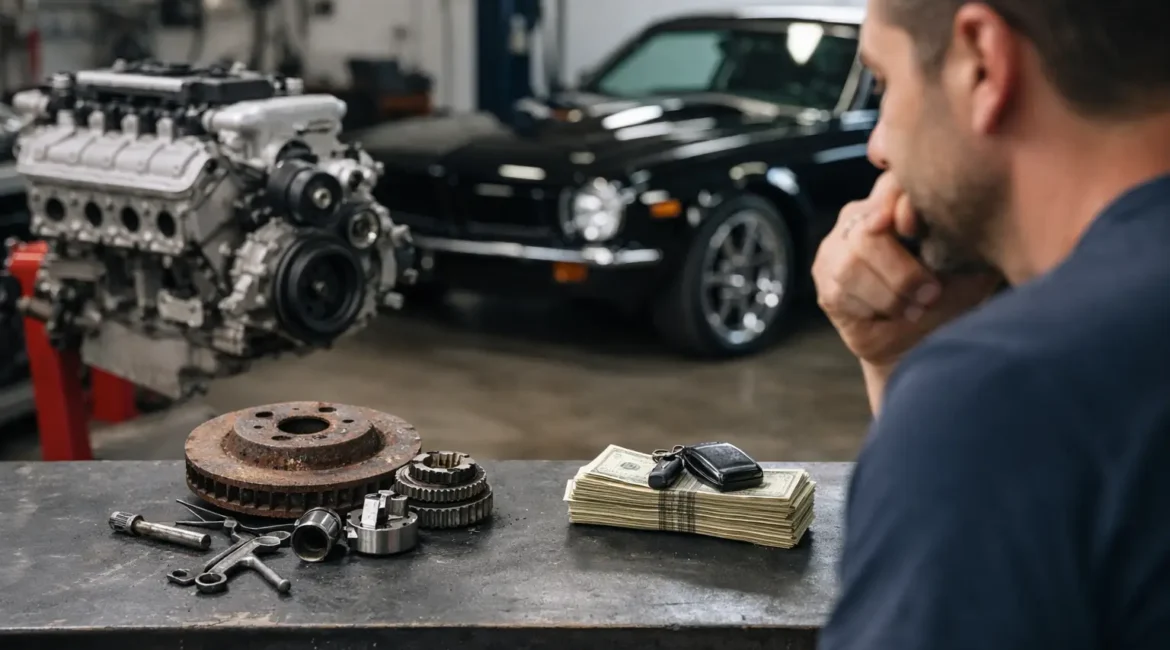
A serious accident can leave a car looking beyond repair: a crushed corner, deployed airbags, damaged panels and a wheel sitting at the wrong angle. But appearances do not always tell the full story. A professional vehicle rebuild can return the right car to a safe, roadworthy and showroom-standard condition, provided the damage is assessed properly from the start.
For many drivers, the question is not simply whether their vehicle can be repaired. It is whether rebuilding it makes financial sense, protects its value and gives them confidence every time they get behind the wheel. The answer depends on the vehicle, the type of damage and the quality of the work carried out.
What a vehicle rebuild actually involves
A vehicle rebuild is more than replacing a bumper and applying fresh paint. It is a planned repair process for a vehicle that has suffered significant accident damage, often affecting several areas at once. Depending on the impact, this may include structural repairs, replacement body panels, suspension work, wheel alignment, mechanical components, safety systems and full refinishing.
The purpose is to restore the vehicle as closely as possible to its pre-accident condition. That means looking beyond visible scratches and dents to identify damage behind the panels. A cracked headlamp bracket, distorted mounting point or misaligned door can cause bigger problems later if it is missed or simply covered over.
A proper rebuild begins with a thorough inspection. The damaged areas are assessed, a repair plan is agreed and parts are sourced before the work moves forward. Once repairs are complete, the bodywork is prepared and painted so the finish matches the rest of the car as closely as possible. The final result should look right, drive right and feel like your own vehicle again.
When a vehicle rebuild is worth considering
Rebuilding is often a sensible option when the car is otherwise in good condition and has value beyond its basic market price. Perhaps it is a well-maintained family car with low mileage, a newer vehicle still worth a substantial amount, or a model with a specification you would struggle to replace for the same money.
It can also be worthwhile when accident damage is concentrated in one area. A front-end or rear-end collision may look severe because modern bumpers, lights and wings are designed to absorb impact. Yet the core structure may remain repairable. Only a detailed assessment can establish this with confidence.
For enthusiasts, the decision can be more personal. A vehicle you have owned for years, modified carefully or maintained to a high standard may be worth rebuilding even when a quick comparison against an online valuation suggests otherwise. The replacement cost of a similar car in the same condition can be much higher than expected.
That said, not every damaged vehicle should be rebuilt. If repair costs exceed the car’s realistic value, if corrosion is already widespread, or if structural damage is too severe, putting more money into it may not be the best decision. A reputable body repair specialist should be honest about that. The right advice is not always the most expensive repair – it is the option that gives you the best outcome.
The difference between a rebuild and a cosmetic repair
Cosmetic repair work focuses on surface damage such as minor dents, scuffs, scratches, kerbed alloy wheels and small areas of paint damage. These repairs can often be completed quickly and are ideal when the vehicle remains mechanically sound and structurally unaffected.
A rebuild is required when the damage goes further. This could include bent panels that cannot be reshaped safely, damaged bumper reinforcement bars, broken lights, disturbed suspension components, damaged cooling parts or issues with door, bonnet or boot alignment. Vehicles involved in a heavier collision may need several repair stages before paintwork can even begin.
The finish still matters. There is little point carrying out careful structural and panel repairs if the paint match is poor or the panel gaps are uneven. Quality refinishing brings the work together and helps protect the car’s appearance and resale value. The aim is not to leave you with a vehicle that merely passes at a glance. It is to restore a finish you can be proud of.
Why accurate assessment comes first
The most important part of a vehicle rebuild happens before any repair work starts. Damage can be hidden behind bumpers, under wheel arch liners, beneath trim or inside the engine bay. A vehicle may appear to need a wing and headlamp, then reveal damaged brackets, sensors or supporting components once it is stripped down.
An accurate inspection avoids two common problems. The first is underestimating the job, which can lead to unexpected delays and costs. The second is carrying out a quick visual repair that does not address the underlying damage. Neither gives a customer the certainty they need after an accident.
This is particularly relevant for modern vehicles fitted with parking sensors, cameras, radar equipment and advanced driver assistance systems. These components need to be treated carefully during repair work. Replacing a painted panel is one part of the job; ensuring everything is correctly fitted and functioning is another.
Insurance repairs and non-fault accidents
If another driver was responsible for the collision, you may not have to manage the entire cost yourself or accept the first repair route suggested to you. Non-fault accident support can help drivers understand their options, arrange repairs and deal with the practical disruption that follows a crash.
Even where insurance is involved, the standard of repair should not be treated as an afterthought. You want clear information on what is being repaired, which parts are being replaced and how the vehicle will be returned to you. Keep photographs of the damage, details of the incident and any correspondence relating to the claim.
For Glasgow and South Lanarkshire motorists, convenience matters too. After an accident, arranging transport, dropping off a damaged car and dealing with insurers can quickly become a headache. Collection and drop-off options can make the process far more manageable, particularly when the vehicle is not safe or comfortable to drive.
What good rebuild work should look like
You do not need to be a motor trade expert to recognise careful work. The repaired panels should sit evenly, with consistent gaps around doors, bonnets, lights and bumpers. Paint should match across adjoining panels without obvious shade differences, rough texture or overspray. The car should not pull to one side, vibrate unexpectedly or produce new warning lights after collection.
Good workmanship also means clear communication before and during the repair. You should understand the scope of the job, expected timescales and any changes discovered once the vehicle is dismantled. Accident repairs can uncover additional damage, but this should be explained properly rather than presented as a surprise at the end.
At Unique Bodywork, rebuild work is approached as a complete restoration job, not a patch-up. With more than 40 years of specialist experience, the focus is on bringing damaged vehicles back to the standard owners expect, while keeping the process straightforward and competitively priced.
Protecting the value of your car after a rebuild
A poorly repaired accident vehicle can be difficult to sell and frustrating to own. Uneven paint, incorrect panel alignment and unresolved mechanical issues stand out quickly to prospective buyers. More importantly, they can affect how the vehicle performs day to day.
A well-executed rebuild, however, can protect the value of a car by restoring its appearance, condition and usability. Keep invoices, repair estimates and photographs where possible. A clear record of professional work gives future buyers more reassurance than vague explanations about previous damage.
It is also worth checking the vehicle carefully when you collect it. Look at the finish in daylight, test lights and parking sensors, open and close repaired doors or panels, and take a short drive if appropriate. Raise any concern promptly. A professional repairer will want you to leave confident in the work.
Make the decision with the full picture
The right vehicle rebuild can save a car that still has years of reliable use ahead of it. It can also prevent you from rushing into an expensive replacement when the damage is repairable to a high standard. But the decision should be based on a proper inspection, realistic costs and trusted workmanship – never on how dramatic the damage looks from the roadside.
If your vehicle has been damaged, get a clear assessment before writing it off in your mind. A knowledgeable bodywork specialist can tell you what is possible, what is sensible and what it will take to get your car looking right again.