
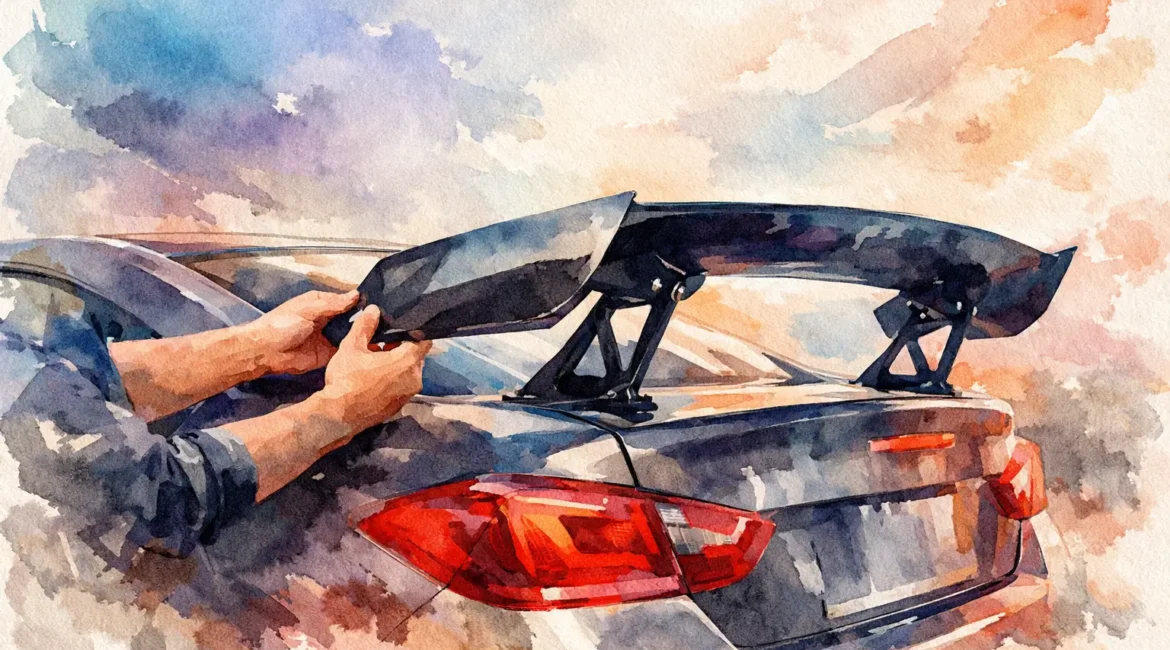
A spoiler can sharpen the look of a car in minutes. It can also leave you with cracked paint, a leaking boot lid, or a finish that looks obviously rushed if it is fitted badly. That is why custom car spoiler installation is not just about bolting on a part you like the look of. It is about getting the fit, finish and placement right so the car still looks tidy, works properly and holds its value.
For some drivers, a spoiler is purely a styling upgrade. For others, it is part of a wider body kit or a rebuild after damage. Either way, the standard is the same. If it is going on your car, it should look like it belongs there.
What custom car spoiler installation really involves
A lot of people imagine spoiler fitting as a simple afternoon job with a drill, adhesive tape and a bit of patience. Sometimes it can be straightforward, especially with lip spoilers designed for a specific make and model. More often, there is more to consider.
The spoiler itself needs to suit the shape of the boot lid, tailgate or roofline. The mounting method matters too. Some spoilers are bonded, some are bolted, and some use a mix of both. If the panel is not prepared properly, the bond can fail. If the holes are drilled in the wrong place, you can damage the panel, affect alignment, or create future rust problems if the bare metal is left exposed.
Then there is the finish. Even a high-quality spoiler can look poor if the paint match is off or the panel gaps are uneven. On modern cars, small details stand out quickly. If the spoiler sits a few millimetres out, it is noticeable.
Choosing the right spoiler for your car
Not every spoiler suits every vehicle. That sounds obvious, but it is where plenty of styling projects go wrong.
A subtle boot lip can add definition without making the car look overdone. A larger performance-style rear wing can work on the right model, but on the wrong one it can feel out of proportion. The car’s shape, height and existing body lines all matter. So does how you use the car. A daily commuter that spends most of its time in city traffic usually benefits more from a clean, well-finished styling upgrade than an aggressive motorsport look that draws the wrong kind of attention.
Material matters as well. ABS plastic is common, affordable and practical for many road cars. Fibreglass can work well, but it often needs more preparation before paint and fitting. Carbon fibre appeals to enthusiasts, though fitment quality varies a lot between manufacturers. A cheap part can cost more in labour if it arrives warped or unfinished.
This is where honest advice helps. Sometimes the spoiler a customer first picks is not the one that will give the best end result. A good bodyshop will tell you that before any work starts.
Why professional custom car spoiler installation usually pays off
The biggest risk with DIY fitting is not the part itself. It is the damage caused while trying to install it.
Drilling into a boot lid without accurate measurements can leave permanent mistakes. Bonding a spoiler onto unprepared paint can lead to lifting edges or a weak hold. Using the wrong sealant around mounting points can allow water into the panel. Once that happens, what started as a styling upgrade can turn into paint correction, rust treatment and panel repair.
Professional fitting reduces those risks because the work is planned properly from the start. The panel is checked, the spoiler is test-fitted, the mounting points are measured carefully, and the surface is prepared to suit the chosen method. If painting is needed, it is done to match the rest of the vehicle rather than leaving you with a spoiler that looks close, but not close enough.
For drivers around Glasgow and South Lanarkshire, convenience matters as much as quality. When the job is handled by a bodywork specialist, you are not juggling paint, prep and fitting with no clear fallback if something goes wrong. You get one finished result instead of a list of problems to sort later.
Paint, preparation and panel protection
A spoiler should never look like an afterthought. That comes down to preparation.
If the part is supplied unpainted, it needs proper sanding, priming and painting before installation. Rushing that stage usually shows up in texture, poor gloss or weak paint adhesion. If the spoiler is already painted, it still needs checked. Pre-painted aftermarket parts do not always match factory paint closely, especially on metallic or pearlescent finishes.
The panel it mounts to also needs attention. Dirt, polish residue and old wax can all affect how well adhesives or sealants perform. If drilling is involved, the exposed area must be protected properly to prevent corrosion. This is a small step that makes a big difference over time, especially in British weather where rain, road salt and grime are a constant factor.
It also helps to think beyond the spoiler itself. On some vehicles, adding a spoiler changes the visual balance of the rear end. A minor paint defect, lacquer peel, or previous repair on the boot lid may become more obvious once the new part is fitted. In those cases, it can make sense to refresh the surrounding panel at the same time for a cleaner overall finish.
Factory-style fit versus aftermarket styling
There is no single right approach. It depends on the look you want and how far you want to go.
A factory-style spoiler is usually the safest choice for motorists who want a sharper appearance without affecting everyday practicality. It tends to follow the original lines of the car and suits drivers who care about resale value as much as appearance. It looks intentional rather than modified for the sake of it.
Aftermarket styling gives you more freedom, but the quality gap is wider. Some parts fit beautifully and transform the car. Others need significant adjustment before they are ready to paint or install. That does not mean aftermarket is a bad choice. It just means expectations need to be realistic. A lower purchase price on the part can be offset by more prep time and more labour.
That is especially true when a spoiler is being installed as part of wider custom work. If the vehicle already has side skirts, a rear diffuser or a full body kit, the spoiler needs to complement the whole package. Fitting one dramatic part onto an otherwise standard car can work, but it can also look mismatched if the proportions are off.
What to expect from a proper fitting process
A well-handled installation starts with assessing the car and the part together. There is no point promising a perfect finish before checking how the spoiler actually sits on the vehicle.
The part should be test-fitted first. That confirms alignment, reveals any manufacturing inconsistencies, and allows adjustments before paint or final fixing. If the spoiler needs painting, that should be completed to a professional standard and fully cured before installation. Once the mounting position is confirmed, the panel can be prepared and the spoiler secured using the correct method.
The final stage is just as important as the first. The spoiler should sit evenly, the fixings should be neat and protected, and the surrounding paintwork should be clean and unmarked. Nothing should rattle, lift, or interfere with the boot opening and closing properly. Good work looks effortless, but it only gets there through careful preparation.
At Unique Bodywork, this kind of job sits naturally alongside paint correction, panel repair and custom body modifications, because the aim is the same every time – a result that looks right and lasts.
Is a spoiler always worth fitting?
Not always. The honest answer is that it depends on the car, the part and what you expect from it.
If you want a cleaner, sportier look and choose a spoiler that suits the vehicle, it can make a real difference. If the part is poor quality or the style is too extreme for the car, it can cheapen the appearance rather than improve it. If you are planning to sell soon, a subtle upgrade usually makes more sense than a heavily modified look.
There is also the practical side. Some spoilers can affect visibility slightly, particularly on smaller hatchbacks with larger rear wings. Some need extra care when cleaning around the mounting points. If the car already has previous bodywork damage at the rear, that should be dealt with before any styling work begins.
A good installer will tell you when a spoiler is a smart upgrade and when your money is better spent elsewhere. That kind of advice saves time, avoids disappointment and usually leads to a better-looking car.
The best styling upgrades are the ones that still look right six months later, in the rain, after motorway miles, car washes and everyday use. If you are considering a spoiler, think beyond the part in the box. Fit matters, paint matters, and the quality of the installation matters most of all.